
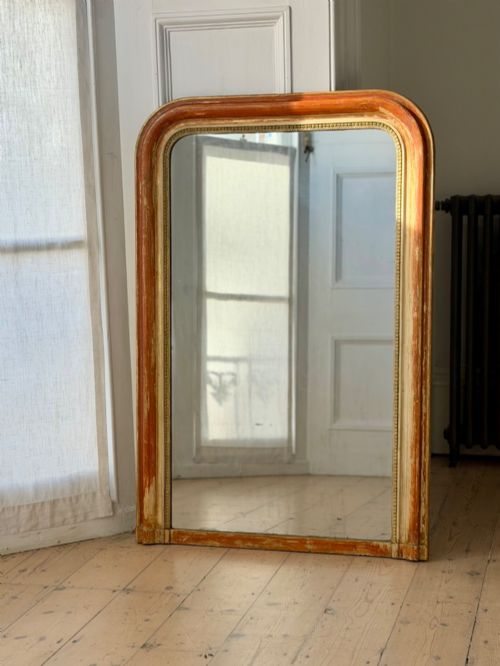
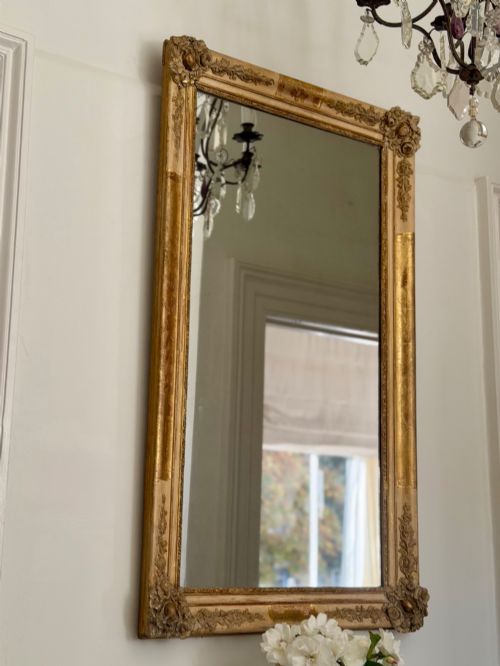
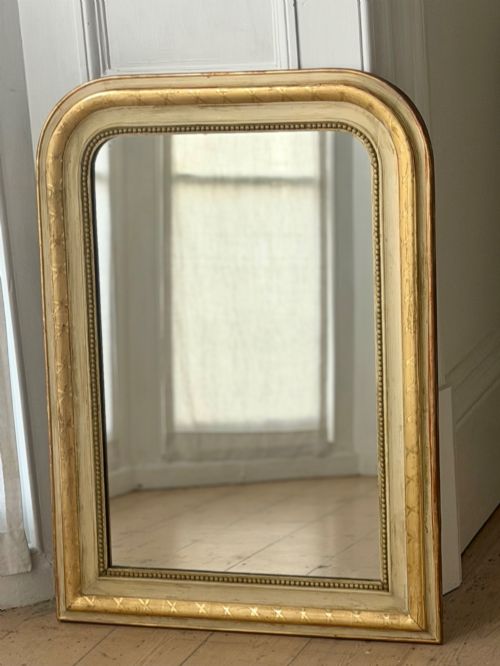
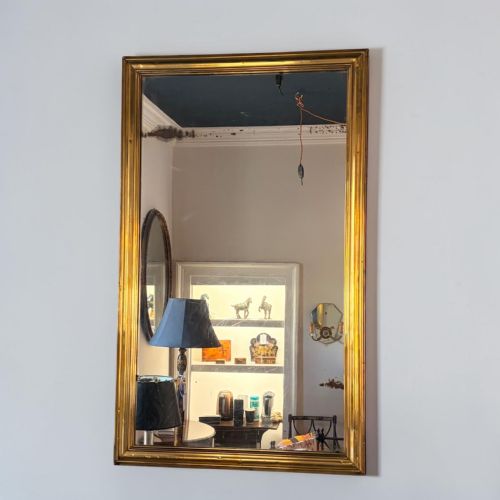
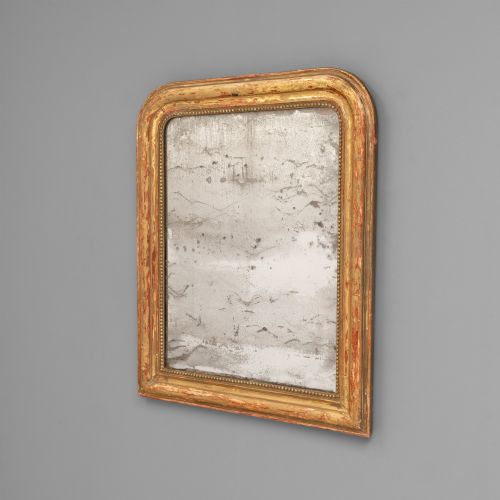
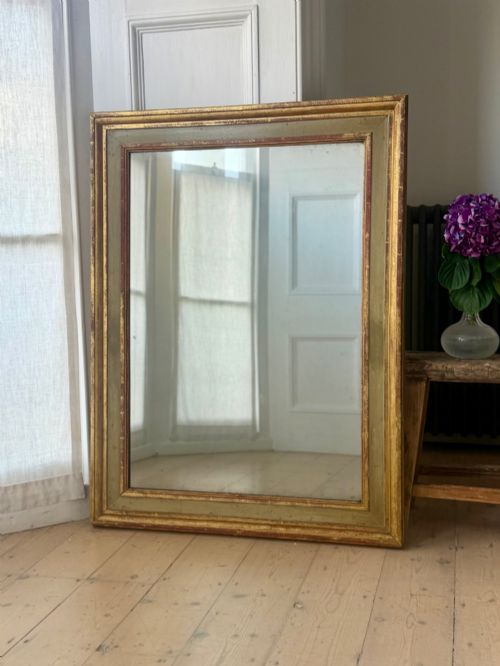

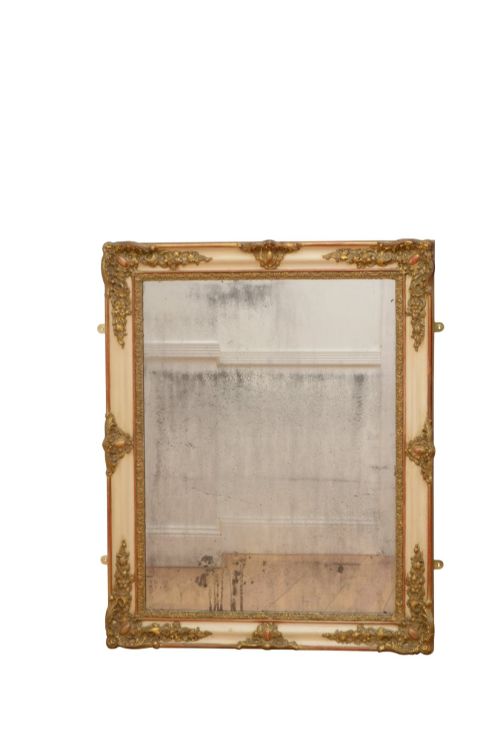
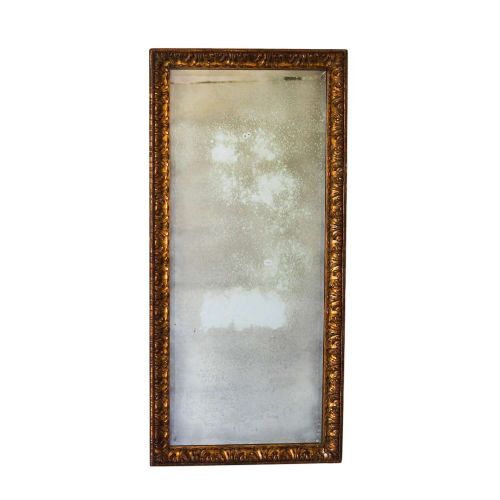
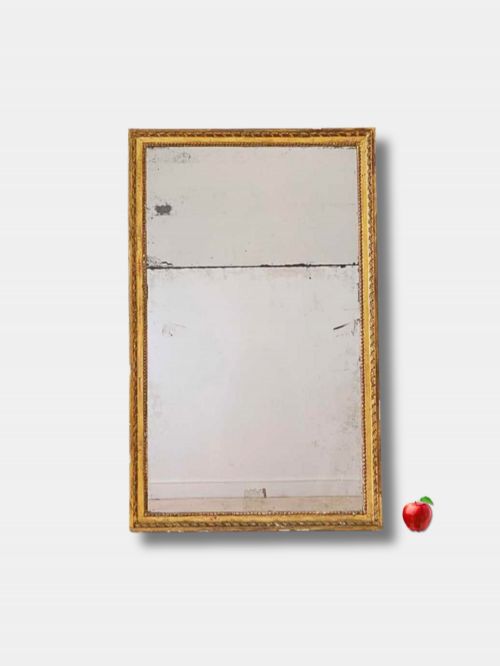
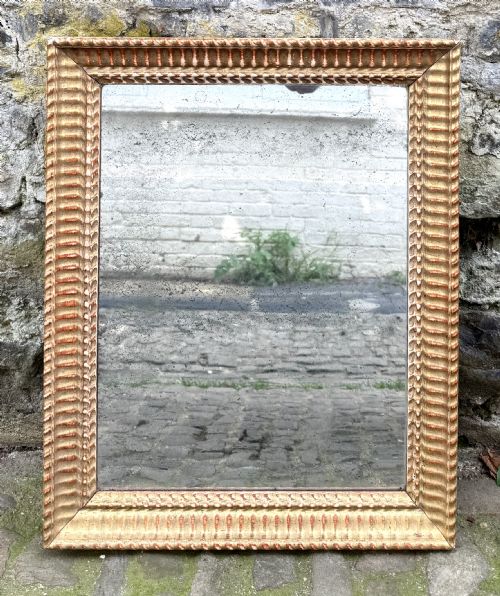


Distressed Gold French Mirror
A distressed gold french mirror brings warmth and character to a room through aged plates and weathered gilded frames.
Distressed Gold French Mirror
A distressed gold french mirror embodies the classic design traditions of 18th century and 19th century continental interiors. These wall mirrors and overmantel pieces originate predominantly from French workshops adhering to styles such as Louis Philippe, Louis XVI, Rococo, and Napoleon III.
Buyers seeking this phrase encounter wall mirrors, pier mirrors, and dressing mirrors constructed in wood and gesso. The typical piece displays the softened geometry of the Louis Philippe period or the exuberant carvings associated with Rococo and French Neoclassical aesthetics.
Examples on this page span the 1800s, including specific dates from the 1850s, 1860s, 1870s, and 1880s alongside broader Victorian eras. Each wall mirror reflects the interior design tastes of French chateaux and provincial homes through time.
Materials and Construction Techniques
Makers formed the structural frames of these mirrors using carved wood and gesso applied over a timber base. Artisans then coated the surfaces in gold leaf, giltwood, or applied paint finishes that weathered over subsequent centuries.
Reflecting plates frequently consist of mercury glass or early silvered glass showing foxing and natural distressing. These original plates give the mirrors their characteristic speckled appearance and deep visual depth.
Many mirrors retain centuries of accidental history within their foxed plates, watching countless generations pass by.
Evaluating Quality and Authenticity
Quality in a distressed gold french mirror rests upon the integrity of the original carved wood and gesso beneath the gilding. Superior examples retain their early or original mercury glass plates rather than later replacement glass.
The sophistication of the carved ornament distinguishes finer pieces, whether executed in the restrained lines of a Louis Philippe frame or the elaborate floral scrolls of a Rococo design. The natural ageing of the painted wood and gold leaf should demonstrate genuine historic wear rather than artificial distress.
The Distressed Gold French Mirror Glossary
- Mercury glass
- A type of silvered glass produced by pouring a liquid mercury amalgam between double-walled blown glass, creating a reflective surface that darkens and foxes with age.
- Gesso
- A plaster-like mixture applied to wood frames to provide a smooth base for gilding and intricate hand-carved decorative details.
- Louis Philippe
- A mid-19th century French style characterised by simple, elegant lines, often featuring rounded upper corners on rectangular mirror plates.
- Trumeau
- A decorative wall mirror designed to fit into the wood-panelled architectural space above a fireplace mantel or between windows.
- Foxing
- The natural oxidation and dark spotting that develops on antique mirror plates over decades of exposure to air and moisture.
Distressed Gold French Mirror: Frequently Asked Questions
How do I date a french mirror?
Dating relies on examining the construction of the wooden frame, the style of the gesso work, and the characteristics of the glass plate. Distinctive aesthetic markers like the rounded corners of a Louis Philippe frame point toward specific periods in the nineteenth century.
Backboards, fixings, and the chemical composition of the mercury glass further assist in determining whether a piece originates from the eighteenth century or later Victorian eras.
What is mercury glass?
Mercury glass is an early form of reflective mirror glass made by sealing a silvering solution between glass layers. This historic technique produces a distinctive cloudy appearance and speckled foxing over time.
Original mercury plates are prized by collectors for the distorted, atmospheric reflections they cast across a room.
Where should I hang a large overmantel mirror?
Large overmantel mirrors traditionally sit directly above a fireplace mantel to reflect light and anchor the room's proportions. They also function effectively on principal walls in reception rooms and hallways to create a sense of expanded space.
Due to the weight of carved wood and gesso frames, secure wall fixings attached directly to structural studs are essential.
How do I care for an antique giltwood frame?
Maintain giltwood and gesso frames by dusting gently with a dry, soft brush rather than using chemical cleaning solutions. Moisture can damage fragile gold leaf and historical painted surfaces.
Keeping the mirror away from direct sunlight and damp environments preserves the stability of the wood and prevents further deterioration of the finish.