

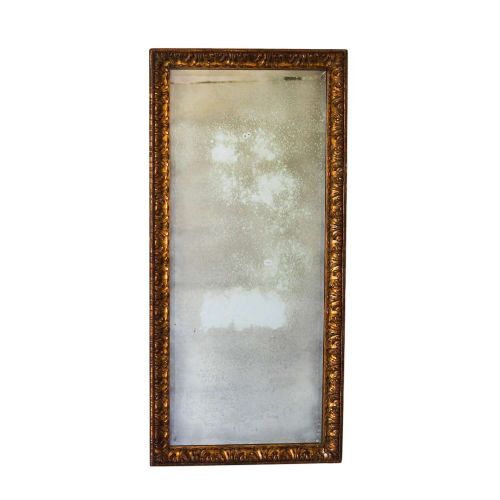
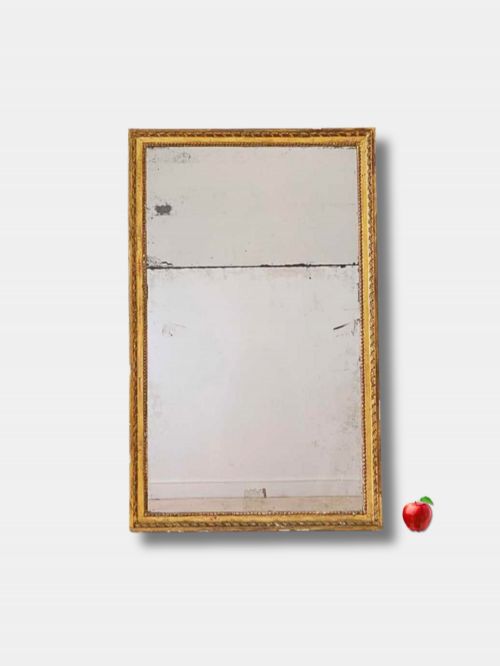
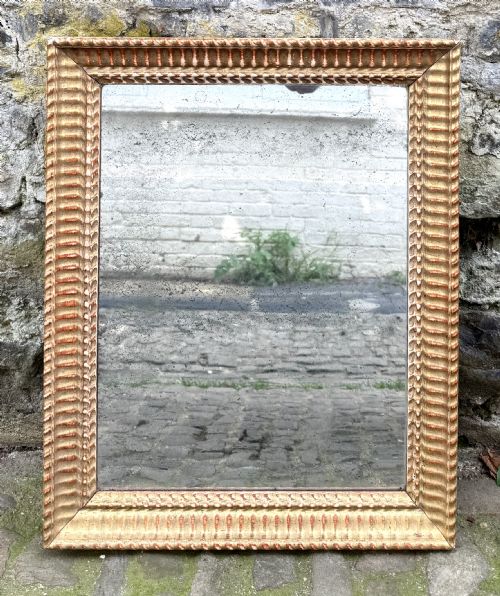


Distressed Glass French Mirror
A distressed glass french mirror brings aged elegance to an interior through weathered plates and ornate continental frames.
Distressed Glass French Mirror
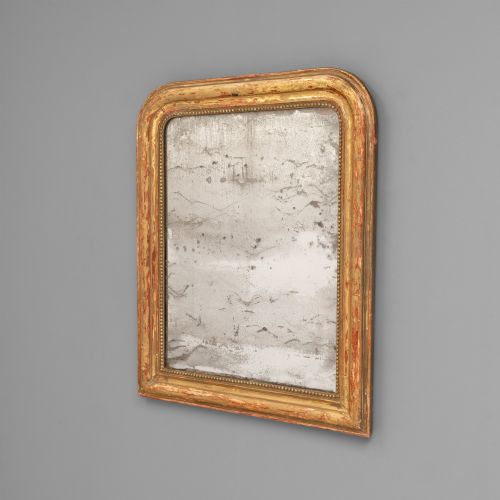
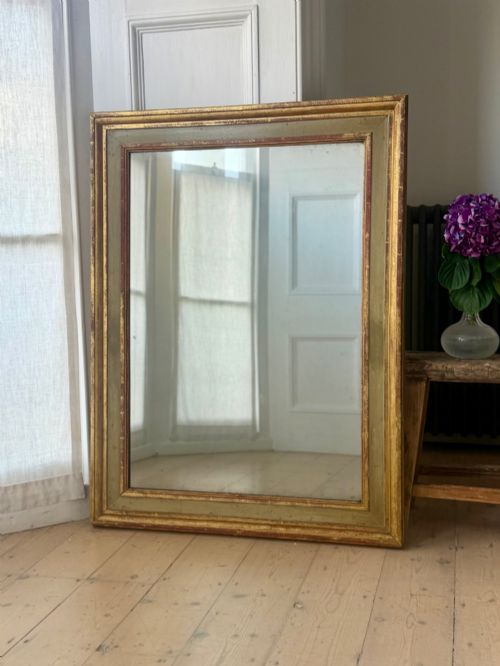
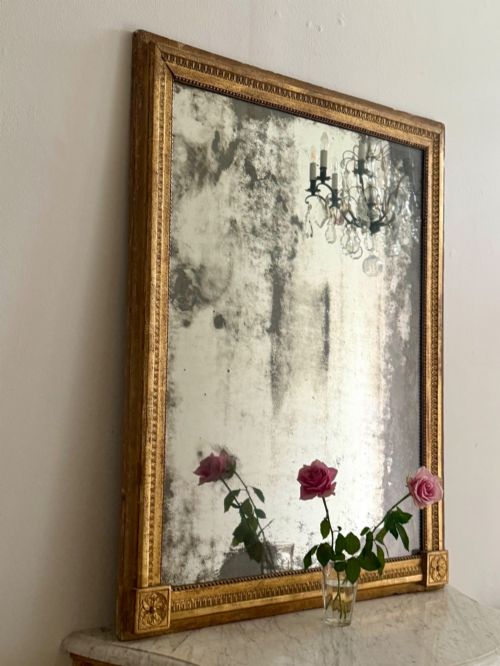
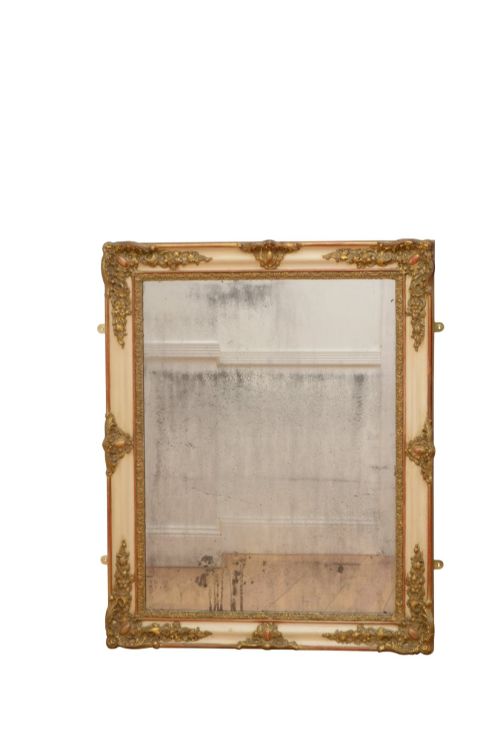
A distressed glass french mirror encompasses wall mirrors, overmantel mirrors, and pier mirrors sourced primarily from the eighteenth and nineteenth centuries. These pieces reflect specific regional designs ranging from French Provincial and Louis Philippe to Rococo Revival and Neoclassical styles.
Buyers searching this phrase generally encounter painted wood and giltwood frames housing weathered glass plates. The selection spans grand salon mirrors designed for overmantels down to smaller bistro and dressing mirrors.
Origins trace across various French aesthetic movements alongside related nineteenth-century English interpretations. The defining characteristic across the selection remains the aged interplay between the frame and the oxidized reflective plate.
How they were made
Traditional frames utilise carved wood and gesso foundations built by hand, finished subsequently with layers of paint or applied gold leaf. Craftsmen shaped these wooden substrates into complex arched tops, classical columns, and elaborate scrollwork.
The characteristic aged plates rely on mercury glass or early silvering techniques that degrade naturally over decades of exposure. This oxidation creates the foxed, mottled appearance valued by collectors today.
Listings feature eighteenth and nineteenth-century pieces incorporating carved wood, gesso, paint, and original mercury glass plates.
What varies in quality
Quality rests primarily in the harmony between the original frame and its glass plate, noting whether the mercury or silvered glass is genuinely aged through time. Hand-carved detail in the gesso and wood demonstrates superior artisan skill compared to simpler moulded decoration.
The depth and integrity of the original gilding or layered paintwork distinguish finer examples from later decorative updates. Structural preservation of the timber joinery determines the long-term stability of these large wall pieces.
The Distressed Glass French Mirror Glossary
- Mercury glass
- A type of mirrored glass produced by coating the interior of double-walled glass with a silver-mercury amalgam. This historical technique produces the characteristic mottled speckling seen on antique plates.
- Gesso
- A plaster-like mixture applied to carved wood frames to create a smooth surface for gilding or painting. Artisans mould this material to achieve crisp architectural and floral details.
- Trumeau mirror
- A decorative mirror designed to fit within wood-paneled wall sections or above mantelpieces. These pieces often incorporate painted panels or carvings directly above the glass plate.
- Giltwood
- Timber coated with a thin layer of gold leaf over a prepared gesso base. This finish provides a warm, reflective surface that patinates richly over centuries.
- Foxed
- Describing glass plates spotted with brown or dark patches caused by the degradation of the reflective backing. Collectors value this natural oxidation for the atmospheric reflection it produces.
Distressed Glass French Mirror: Frequently Asked Questions
How do I hang a heavy overmantel mirror?
These substantial carved wood and gesso frames require direct attachment to structural wall studs using heavy-duty brackets. Professional installation ensures the weight distributes safely across the wall.
Positioning the piece securely prevents shifting, particularly when mounting large overmantel formats above a fireplace.
Are mercury glass mirrors safe to own?
The mercury is sealed safely between glass layers or behind stable silvering compounds in historical manufacturing methods. Normal handling and domestic display present no health risks.
Enjoying these pieces requires no special precautions beyond standard care for antique glass.
How do I clean distressed glass?
Dust the surface gently with a soft, dry microfibre cloth to remove particulate matter without disturbing the fragile plate. Avoid chemical glass cleaners that can seep behind the silvering and accelerate damage.
Treat the foxed areas with minimal moisture to preserve the historical patina of the glass.
What distinguishes Louis Philippe mirrors?
Louis Philippe frames feature simpler, cleaner architectural lines with rounded upper corners rather than exuberant Rococo scrollwork. This mid-nineteenth-century style balances restrained elegance with substantial scale.
The aesthetic suits both traditional interiors and minimalist contemporary spaces.