
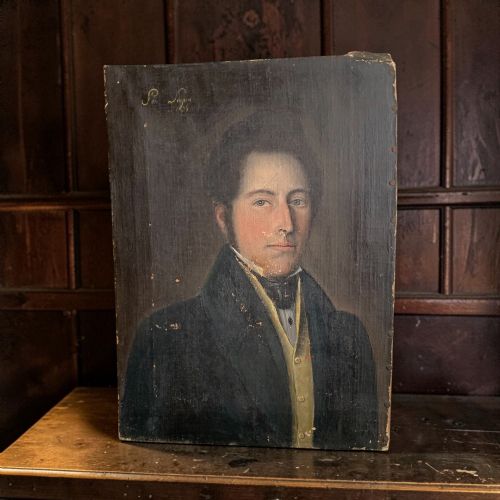
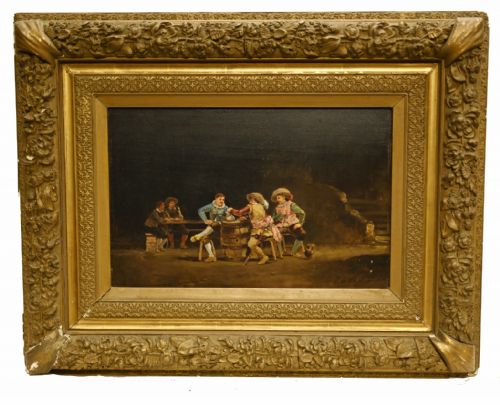


Vintage French Painted Sign
When you search for vintage french painted sign, you are looking at trade boards and advertising panels created to mark businesses and professions across France.
Vintage French Painted Sign
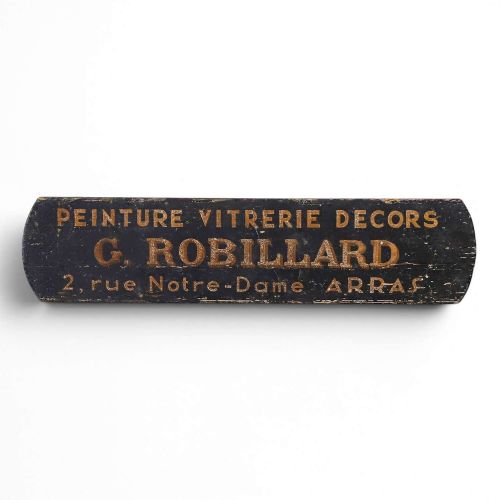
A vintage french painted sign encompasses hand-painted trade boards, shop markers, and advertising displays originating from nineteenth-century and twentieth-century France. These boards were produced for local enterprises such as pharmacies, painters, and tradesmen to advertise their services to the public.
The selections span various forms including wooden trade signs, pharmacy boards, and cinema advertising boards. Many date from the early twentieth century, reflecting the commercial streetscapes of the period.
These functional objects served commercial spaces before transitioning into decorative pieces valued for their rustic character and historical lettering.
How they were made
Makers utilised timber, sheet metal, and canvas as foundations for these boards, applying oil paint and sign-writing enamels directly to the prepared surfaces. The lettering and imagery were executed by hand, often utilising contrasting colours to ensure visibility from the street.
Surfaces frequently show layers of historical wear, weathering, and original paint accumulation resulting from decades of exposure in commercial environments.
Listings demonstrate that wood and painted surfaces dominate this category, spanning the nineteenth century through the mid-twentieth century.
What varies in quality
Quality in these boards lies in the strength of the typography, the balance of the composition, and the integrity of the original painted surface. Examples with clear lettering and untouched patination demonstrate superior visual impact.
The clarity of the trade attribution and the survival of authentic ground layers distinguish standard utility markers from more compelling examples of commercial folk art.
Arthur Gué·Henri Vincent-Anglade·Mercedes Legrand·Pinchus Krémègne·Alfred Arthur Brunel de Neuville
The Vintage French Painted Sign Glossary
- Trade Sign
- A painted board or panel hung outside a shop or business to advertise a specific trade, profession, or merchandise. These functional items form the core of current listings.
- Original Condition
- The state of an object retaining its initial paint layers and surface marks without modern restoration. This preservation determines the historical value of a painted board.
- Folk Art
- Objects created by self-taught or traditional makers outside the formal academic traditions. Many trade boards and painted markers fall within this vernacular category.
- Patina
- The surface texture, wear, and colour change acquired by materials over decades of age and use. On painted signs, it indicates authenticity and exposure to the elements.
- Enamel Paint
- A hard, glossy paint type utilised on metal and wood surfaces for durability in commercial settings. It provides the smooth finish seen on many twentieth-century advertising panels.
Vintage French Painted Sign: Frequently Asked Questions
Where were trade signs displayed?
These boards were mounted directly onto shopfronts, exterior walls, and pharmacy doors to catch the attention of passers-by in busy French streets.
They served as clear visual indicators of the commercial services available inside the building.
How do I date a painted sign?
Dating relies on the style of the lettering, the choice of substrate material, and the specific trades mentioned on the board.
Twentieth-century examples often feature bolder sans-serif typography, while nineteenth-century boards lean towards serif lettering and traditional pictorial symbols.
Can these signs be hung outdoors?
Most of these historic boards were originally exposed to the weather, but modern placement indoors preserves their fragile historical paint layers.
Humidity and rain can accelerate the flaking of old oil paint and timber decay if placed outside again.
What trades are most common?
Listings feature boards commissioned by pharmacies, painters, and general merchants operating in French towns and villages.
Specialist trade boards often include specific lettering detailing the profession or enterprise name.