

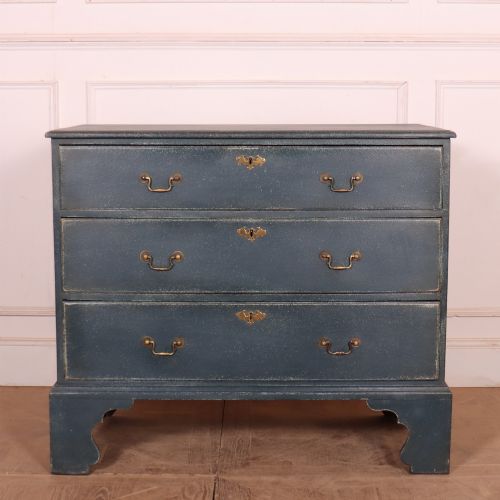
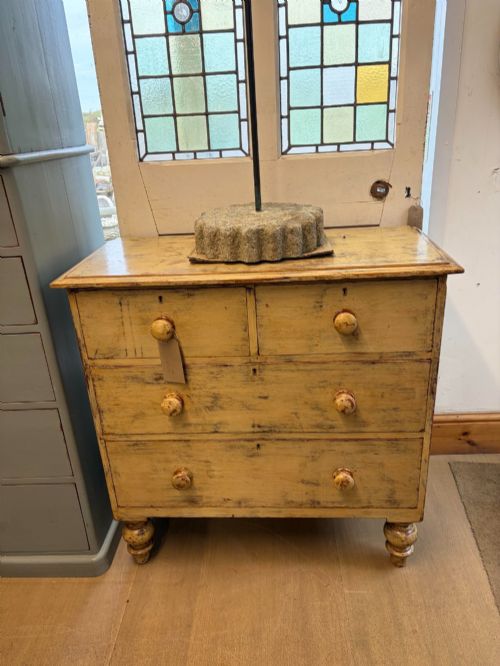
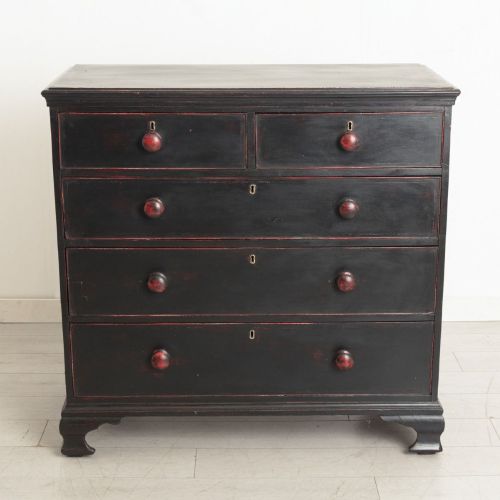
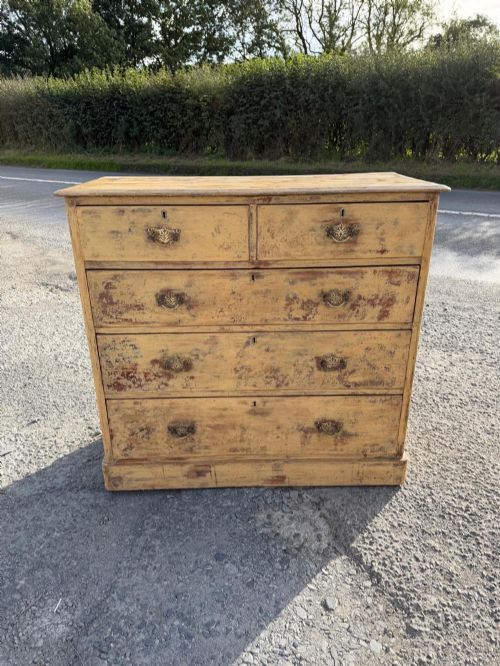
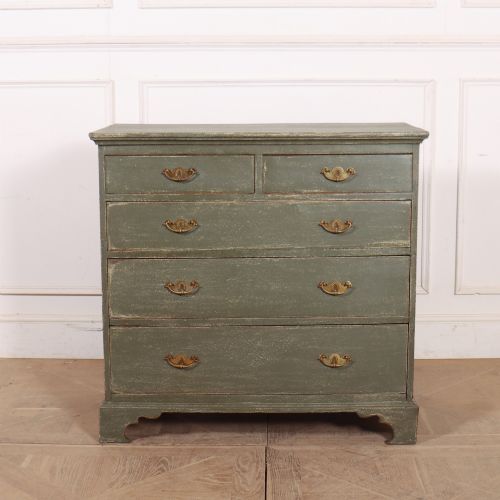
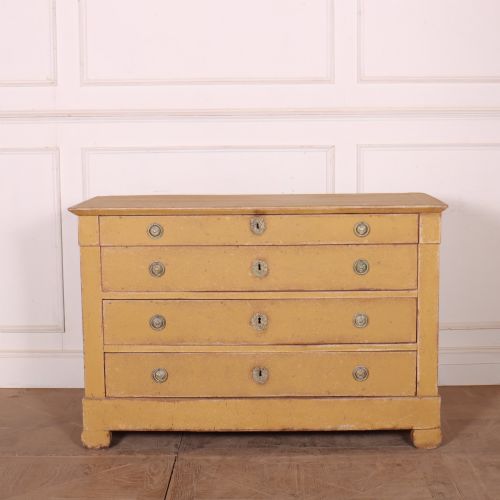
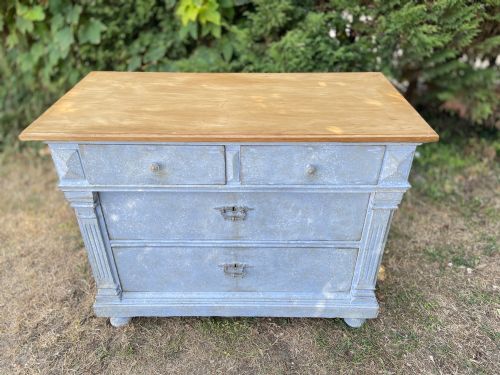
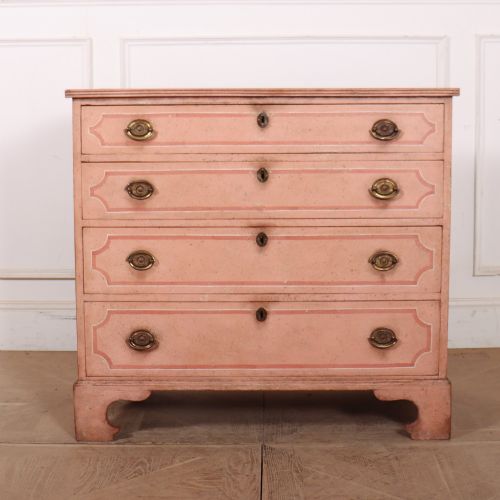
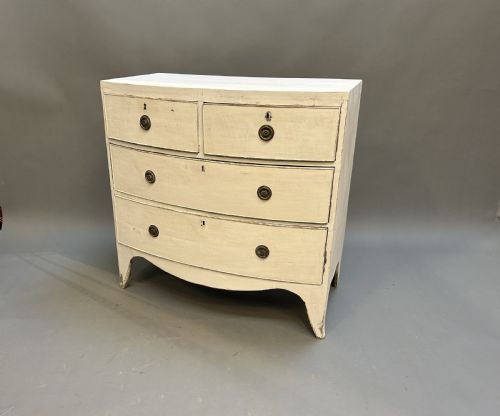

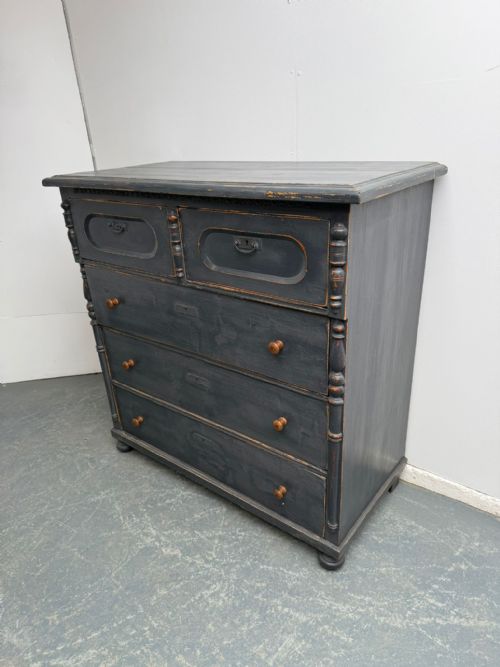

Distressed Bedroom Chest
A distressed bedroom chest brings character to a sleeping space through aged surfaces and practical storage.
Distressed Bedroom Chest
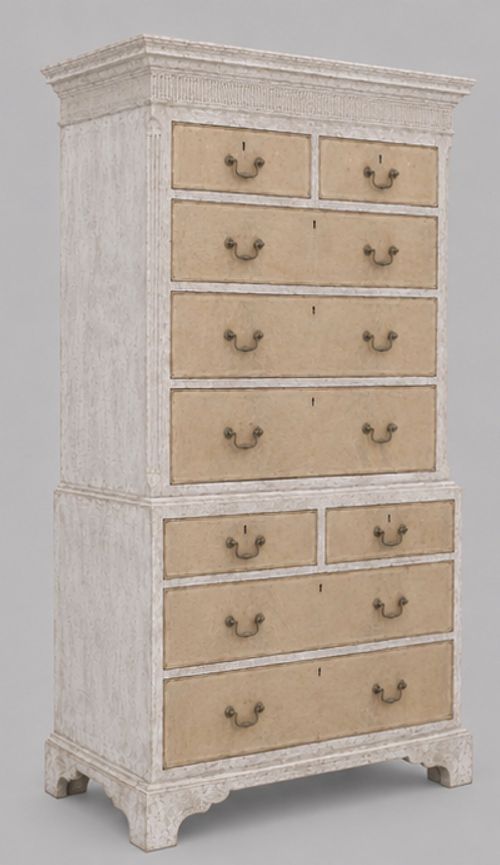
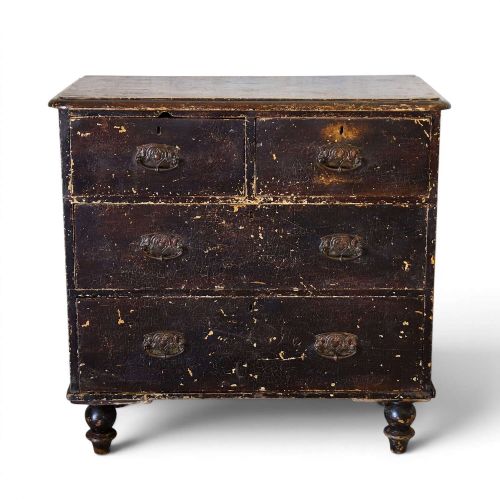
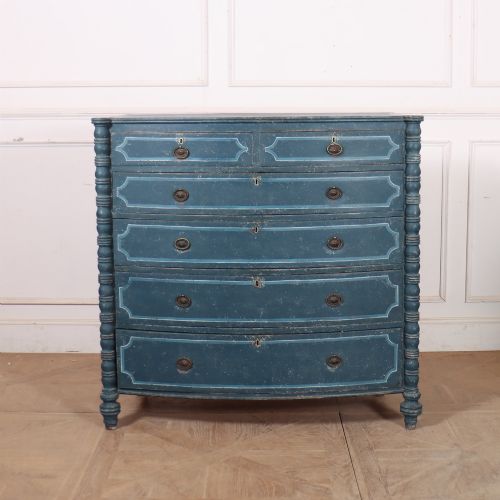
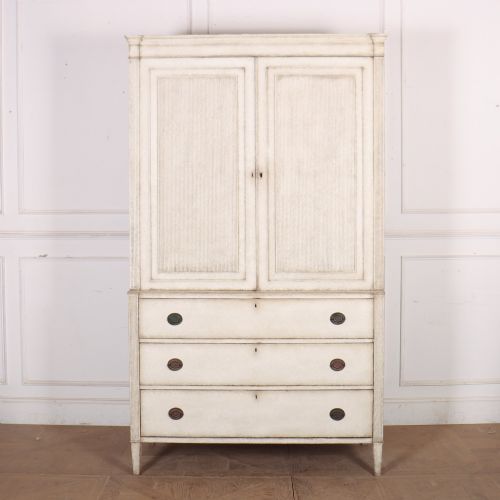
A distressed bedroom chest serves as a primary storage unit while adding visible history to a room through worn painted finishes and timber patination. When exploring a distressed bedroom chest, buyers encounter forms ranging from compact two-drawer commodes to substantial five-drawer configurations and tall linen presses.
The pieces appearing here span the eighteenth, nineteenth, and early twentieth centuries, originating from English, French, Swedish, Italian, and Hungarian workshops. The most common varieties met on this page are nineteenth-century pine and oak chests finished in original paint, modern paint treatments, or scumble glazes.
Regional variations shape these items clearly, from the clean lines of Scandinavian Gustavian pieces to the curved fronts of French commodes and the straightforward utility of English country furniture. Each format provides deep drawer capacity combined with decorative surface wear that grounds a room's interior scheme.
Quality and character
The distinction between tiers of quality rests in the integrity of the original timber frame and the authenticity of the surface finish. Pieces retaining their original period paintwork or scumble layers carry greater historical weight than later decorative repaints.
Proportional balance and regional stylistic details also define superior examples. Well-executed drawer construction, smooth sliding action, and untouched brass or metal fittings elevate a piece above standard utilitarian storage.
Distressed Bedroom Chest Retail Price Guide 2026
Typical asking prices for distressed bedroom chest among the pieces listed under this phrase on Sellingantiques today, from the lower quarter to the upper quarter. They describe what is for sale here now, not the wider market.
Edwards and Roberts
The Distressed Bedroom Chest Glossary
- Scumble paint
- A translucent glaze applied over a base coat and manipulated with combs or rags to simulate wood grain or create textured patterns. This technique appeared frequently on nineteenth-century pine furniture.
- Commode
- A low chest of drawers or cabinet, originating in France. These pieces often feature decorative painted surfaces and curved serpentine fronts.
- Linen press
- A tall storage piece designed for textiles, combining upper cupboard doors with lower drawer tiers. They provide substantial vertical storage capacity.
- Bowfront
- A furniture front that curves outward in a convex arc. This shape softens the profile of standard rectangular drawer units.
- Serpentine
- A front profile shaped with a central convex curve flanked by concave sections, typical of sophisticated eighteenth and nineteenth-century commodes.
Distressed Bedroom Chest: Frequently Asked Questions
How do I clean a painted chest?
Dust surfaces gently with a soft, dry cloth to protect fragile historical paint layers.
Avoid commercial chemical cleaners and excessive moisture, which can lift aged paint or damage timber.
Are these chests practical for modern clothes?
Most pieces offer deep drawer configurations that accommodate folded garments and daily bedroom storage easily.
Interior drawer dimensions vary by period, so measuring specific items ensures they suit modern apparel.
How do I date a painted chest?
Examine construction joints, timber types, and the composition of the underlying paint layers.
Nineteenth-century pieces often utilise pine with hand-cut dovetails, while eighteenth-century examples feature heavier oak or mahogany framing.
Where should I place a chest?
These pieces anchor bedroom layouts effectively while providing a sturdy surface for lamps or mirrors.
They also function well in hallways or living spaces as statement storage units.