


Display Cabinet with Drawers
A display cabinet with drawers combines visible shelving with enclosed storage, offering the ideal home for treasured collections and everyday items alike.
Display Cabinet with Drawers
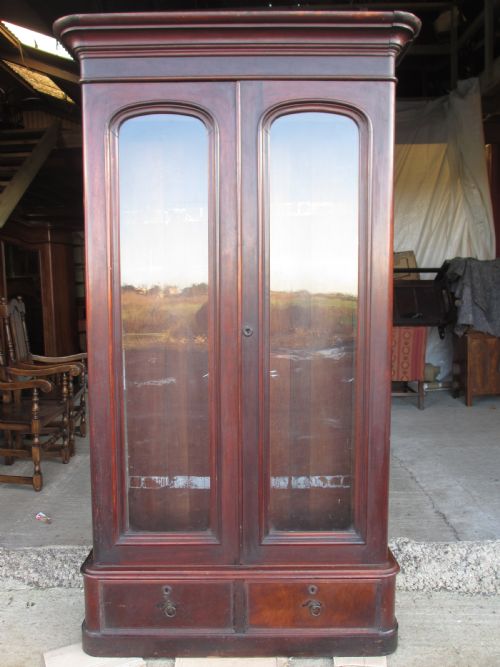
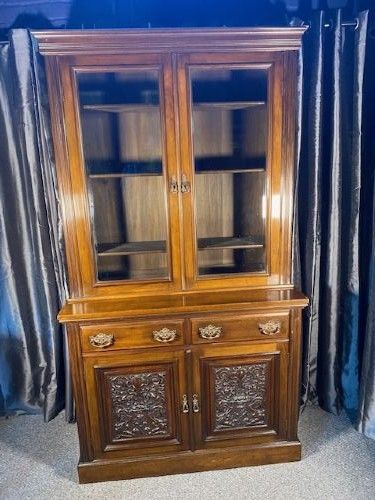
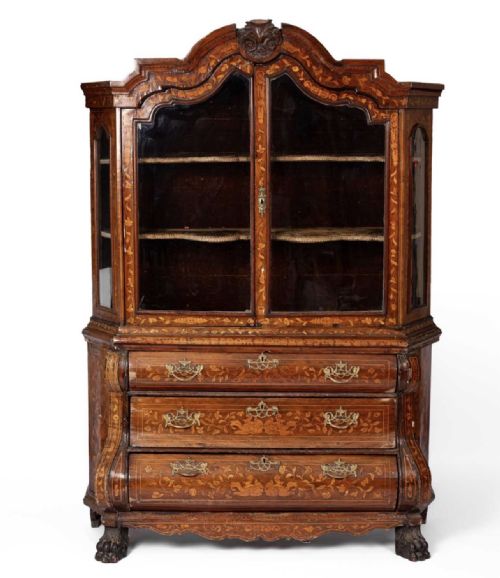
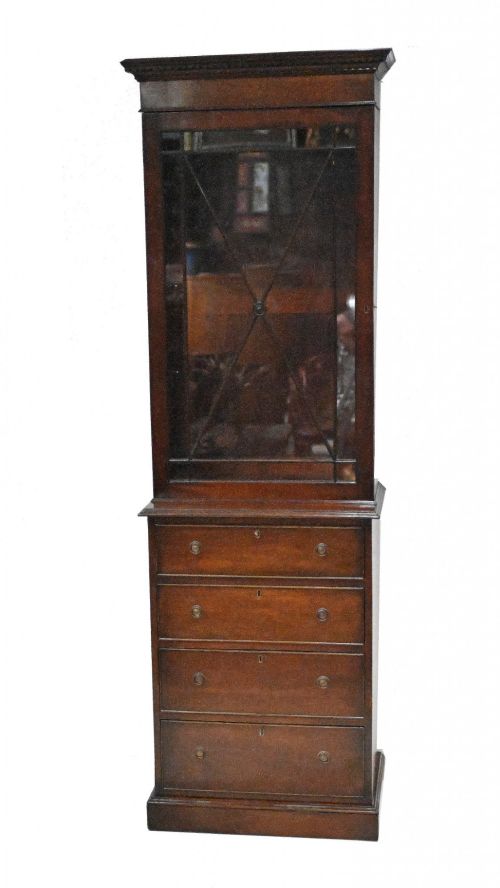
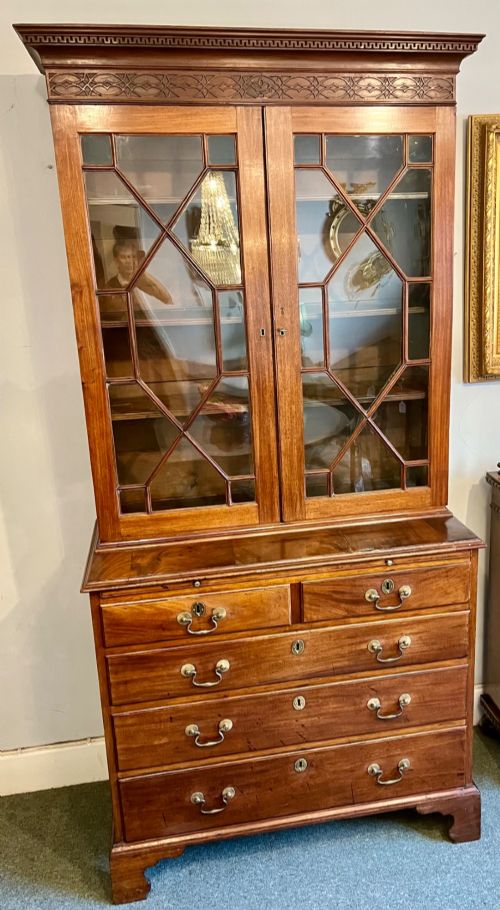
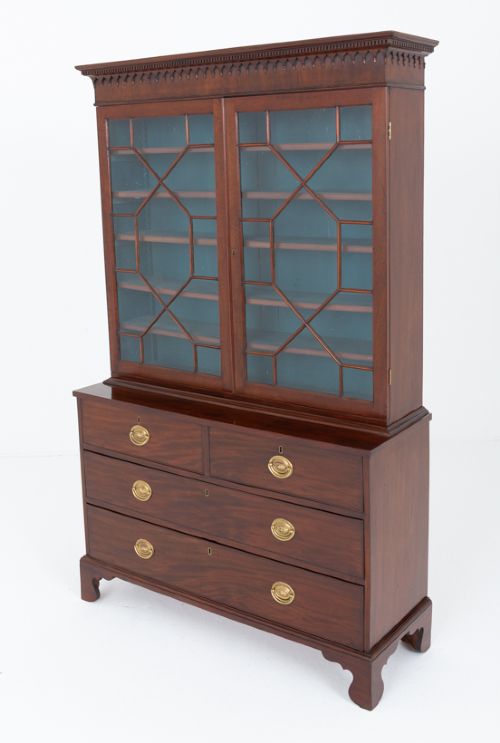
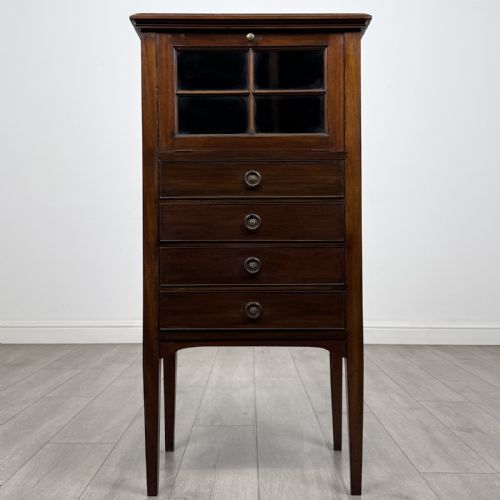
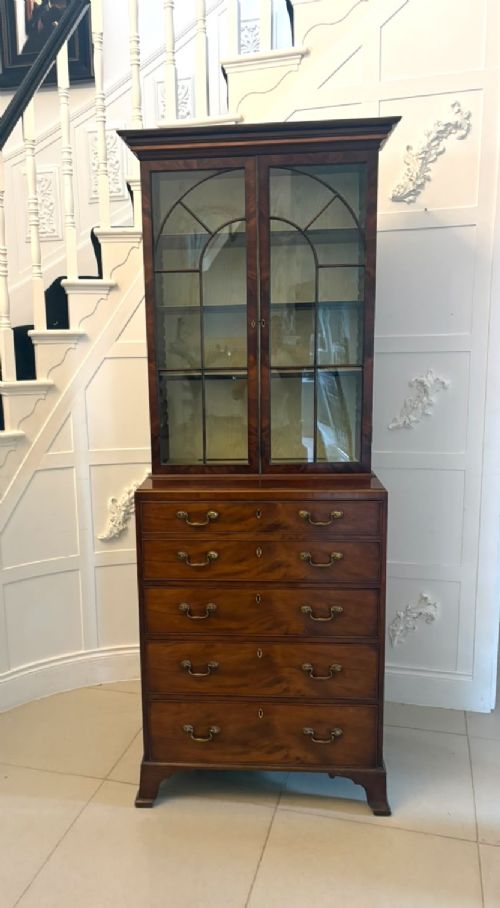
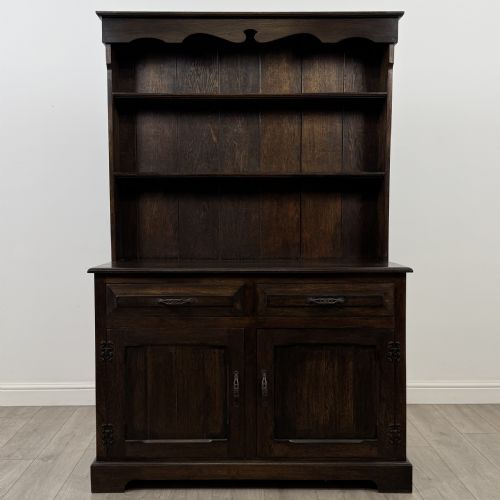
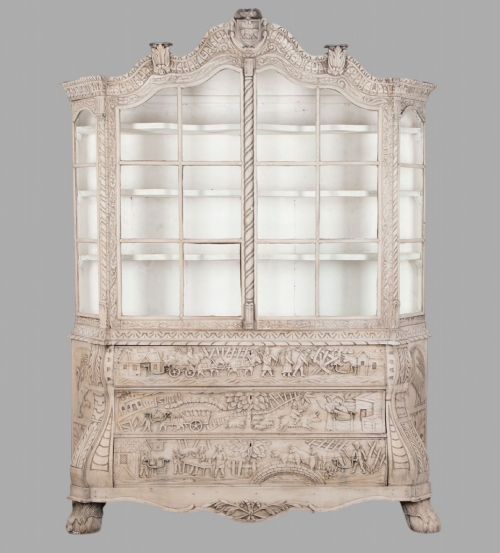
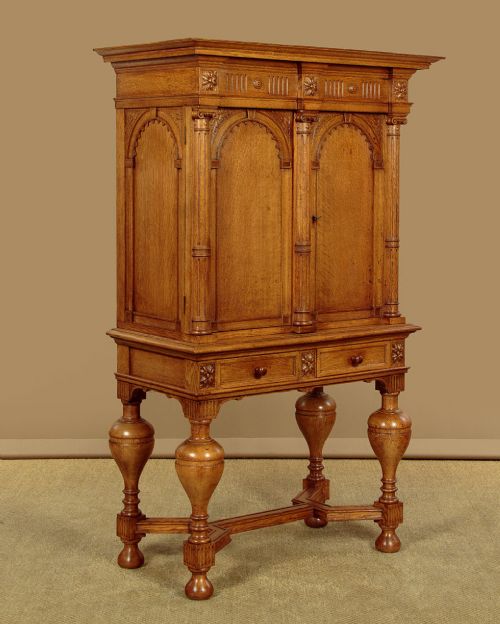
A display cabinet with drawers brings together upper glazed sections and lower storage compartments, taking the form of bookcases, dressers, and cabinets on chests. These pieces span Georgian, Victorian, and Edwardian periods, alongside vernacular styles like English Country and Welsh dressers.
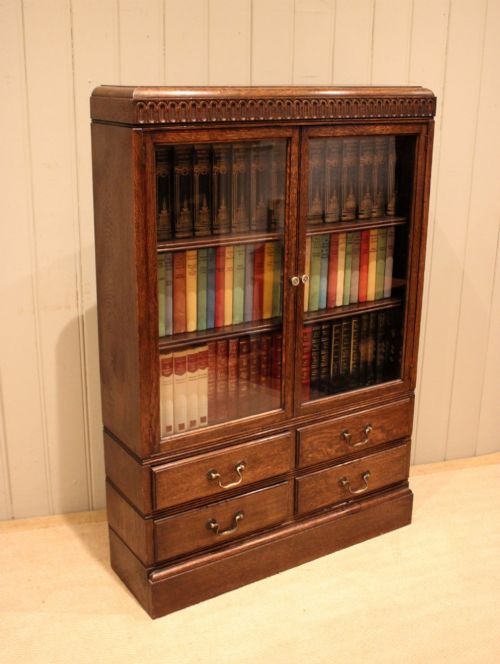
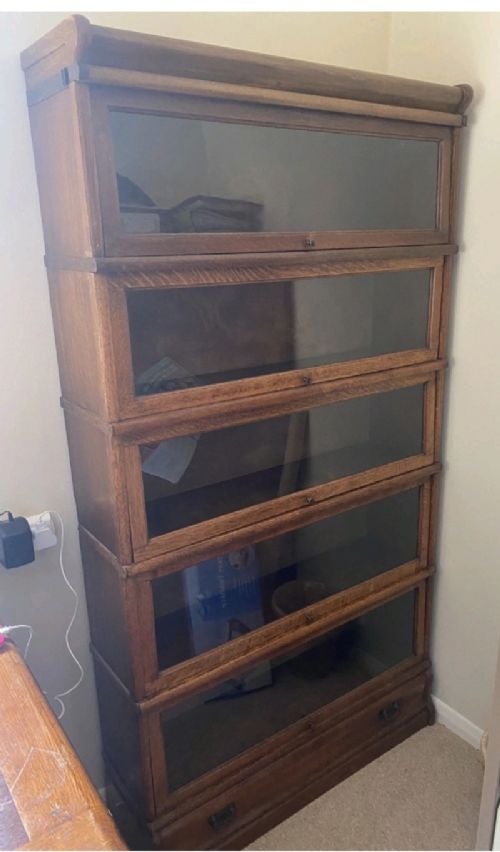
Buyers will most frequently encounter mahogany and oak constructions from the nineteenth and early twentieth centuries. These range from slim carved oak bookcases and Globe Wernicke sectional units to grand glazed bookcases on chests and satinwood-inlaid display furniture.
Materials and construction methods
Cabinetmakers utilised robust timber carcasses, predominantly mahogany, oak, walnut, and pine, often finished with marquetry, ormolu mounts, or brass embellishments. Glass panels were fitted into glazed doors using lead or wooden astragals to protect the contents while maintaining visibility.
Drawers were integrated into bases, commode chests, and secretaire sections, employing traditional joinery alongside hand-carved decorative elements. Surfaces were frequently waxed, polished, or painted, as seen in period pine dressers and French cabinets.
Display Cabinet with Drawers Retail Price Guide 2026
Typical asking prices for display cabinet with drawers among the pieces listed under this phrase on Sellingantiques today, from the lower quarter to the upper quarter. They describe what is for sale here now, not the wider market.
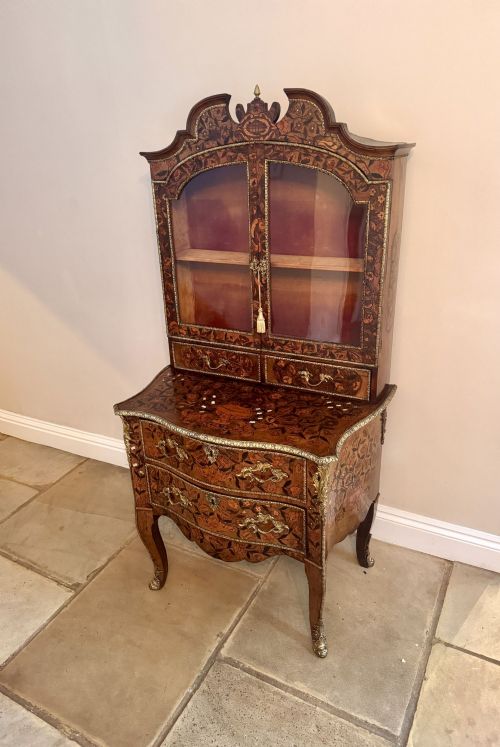
Some Victorian walnut cabinets conceal secret writing drawers alongside flocks of marquetry birds.
Judging the standard of workmanship
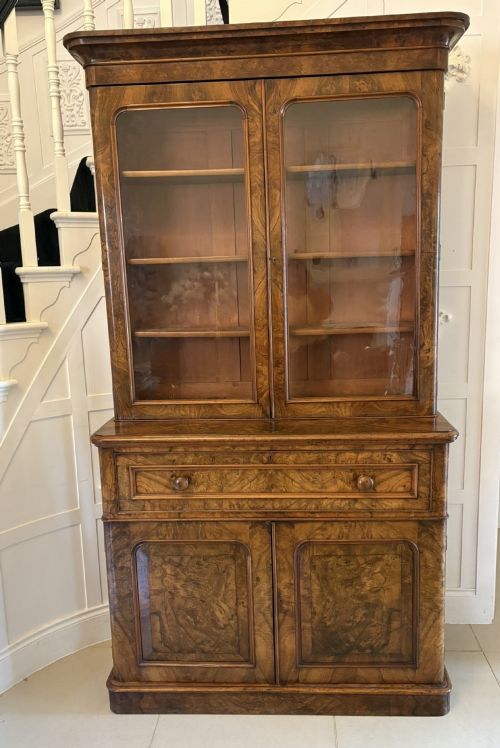
The distinction between standard and superior pieces rests upon timber selection and the crispness of carved or inlaid details. Finer examples display carefully matched grain patterns, such as burr walnut and birds-eye maple, paired with precise joinery in the drawer linings and door frames.
James Winter And Sons·Gillows
The Display Cabinet with Drawers Glossary
- Astragal
- A small moulded bar that divides panes of glass within a glazed door. These delicate wooden strips define the window pattern on Georgian and Victorian bookcases.
- Secretaire
- A cabinet incorporating a pull-out writing drawer with a drop-front, concealing fitted small drawers and pigeonholes. It merges desk functionality with bookcase storage.
- Credenza
- A low sideboard or cabinet, frequently mounted with ormolu and decorative inlay. Victorian iterations often include fitted writing compartments behind central doors.
- Glazed
- Fitted with glass panes to protect books or display items from dust. These doors allow clear viewing of the interior shelves.
- Breakfront
- A piece of furniture where the central section projects forward from the flanking wings. This architectural layout adds depth and visual weight to larger cabinets.
Display Cabinet with Drawers: Frequently Asked Questions
How do I date an oak display cabinet?
Dating relies on examining construction methods, timber prep, and stylistic clues like brass hardware or carved ornamentation. Earlier pieces show hand-sawn timber marks and pegged joinery, while later Edwardian and 1920s examples often employ machine-cut elements.
Reviewing the glass type and backboards also helps establish the era of manufacture alongside any surviving maker stamps.
Where should I place a corner cabinet?
Corner cabinets are designed to fit snugly into room angles, making efficient use of otherwise wasted space. Tall freestanding versions work well in dining rooms, while wall-hanging models suit smaller spaces.
Ensure the door swing has adequate clearance from nearby furniture and verify that the wall structure can support hanging models.
Are painted finishes period-authentic?
Painted finishes appear on vernacular pieces such as West Country dressers and continental cabinets. Many regional pieces were historically painted to protect softer woods like pine.
Distinguishing between original aged paint, later traditional applications, and modern decorative treatments involves inspecting the underlying patina and wear patterns.