


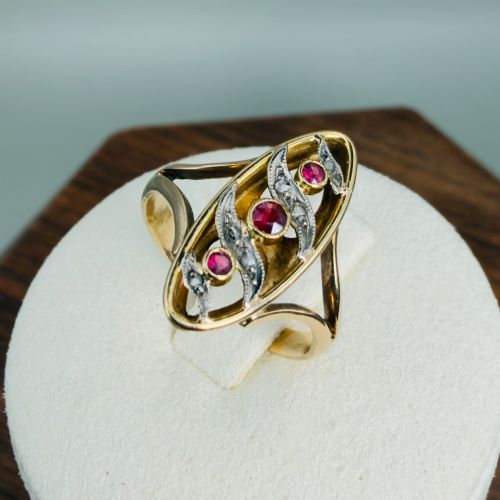
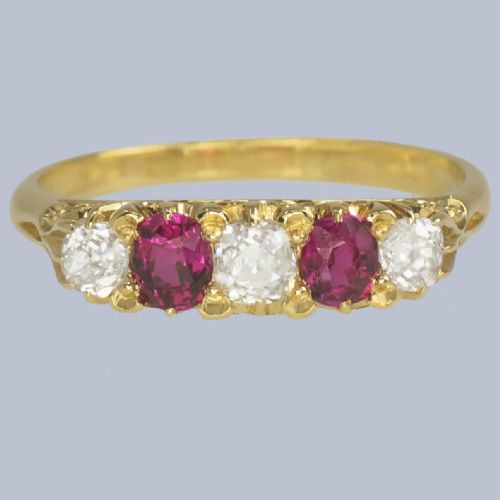
Diamond Gemstone Band
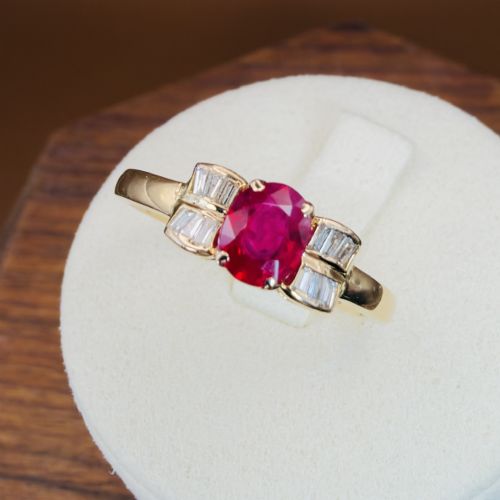
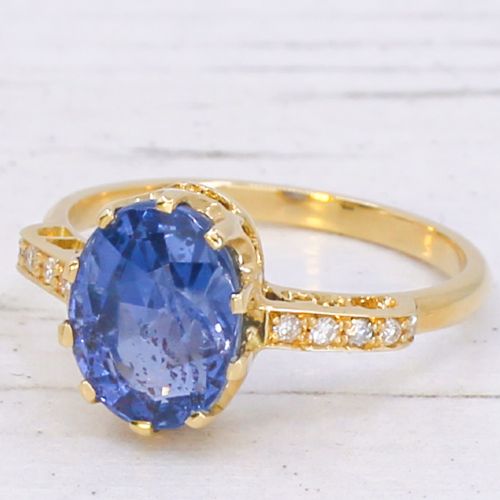
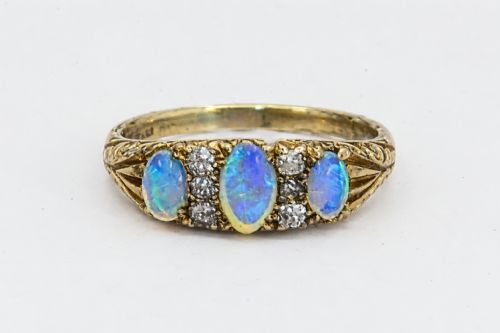
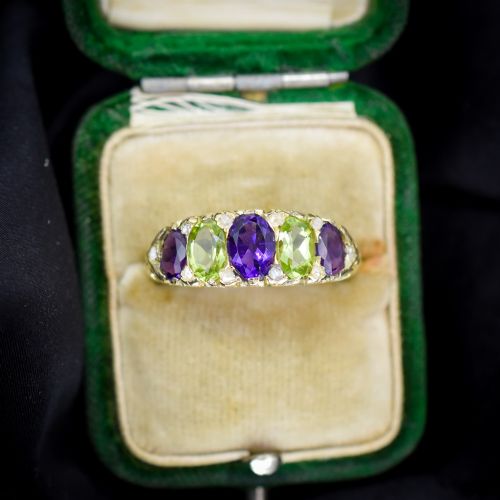
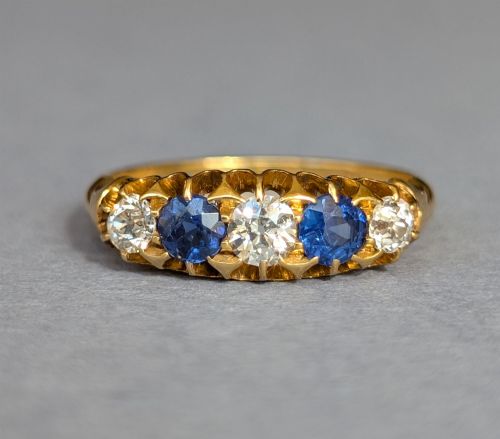
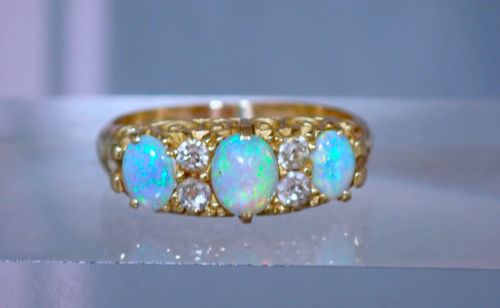
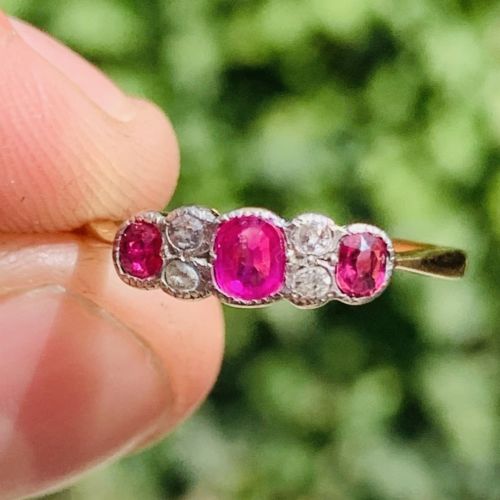
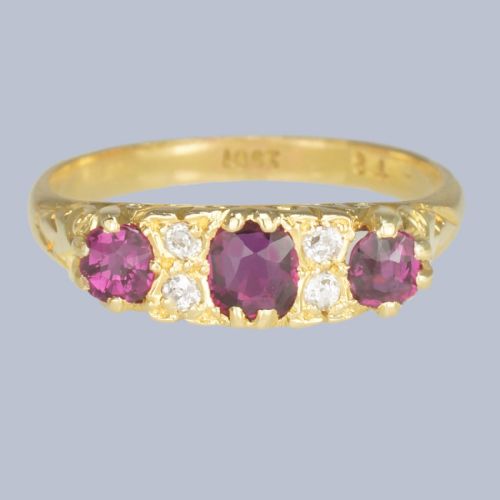
When you search for a diamond gemstone band, you are looking at rings that pair brilliant diamonds with coloured stones.
Diamond Gemstone Band
A diamond gemstone band combines sparkling diamonds with vibrant coloured stones set into precious metal bands. These rings draw from periods spanning the Victorian and Edwardian eras through to the mid-twentieth century.
The selections on this page centre heavily on nineteenth and early twentieth-century designs alongside mid-century pieces. Common configurations include cluster rings, multi-stone bands, and traditional boat shapes.
Rubies, sapphires, emeralds and opals frequently accompany the diamonds in these settings. Buyers encounter both yellow gold and white metal foundations across the inventory.
What varies in quality
The standard of these rings depends heavily on the natural origin and saturation of the coloured gemstones paired with the diamonds. Stones with certified unheated origins or high clarity command greater attention from collectors.
The integrity of the original setting and the crispness of the hand-cut facets also separate ordinary examples from exceptional ones. Heavier gauge gold and untrimmed shoulders indicate superior workshop execution.
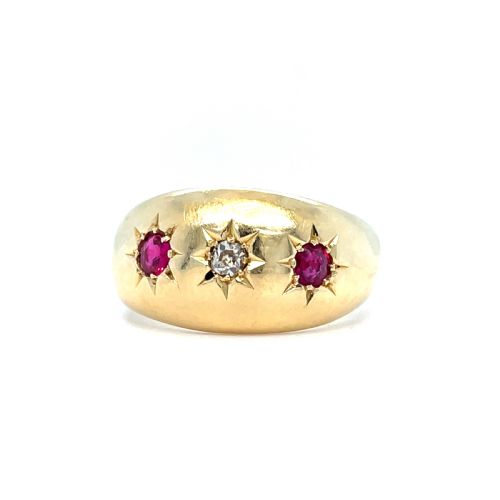
Several Victorian rings feature secret starburst engravings around the stones to help the metal catch the candlelight.
The Diamond Gemstone Band Glossary
- Old Cut
- A vintage diamond cutting style characterised by a high crown and small table that preceded modern brilliant cuts. These stones display a softer, candlelit sparkle.
- Trilogy
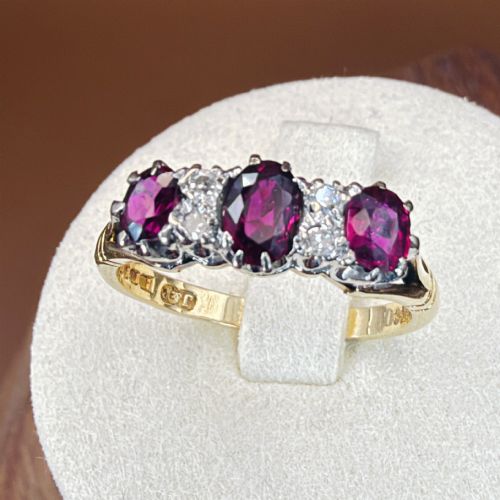
- A ring featuring three main stones set in a row, often symbolising the past, present, and future. They frequently pair a central ruby or sapphire with flanking diamonds.
- Navette
- A boat-shaped ring setting that tapers to points at either end. This elongated form flatters the finger and became popular during the late Victorian and Edwardian periods.
- Cluster
- An arrangement where a central gemstone is surrounded by a border of smaller diamonds. This configuration maximises visual impact and plays with colour contrasts.
- Gypsy Ring
- A style where stones are flush-set directly into a thick tapering metal band. This robust setting style was favoured in the late nineteenth century for daily wear.
Diamond Gemstone Band: Frequently Asked Questions
How do I care for antique gemstone rings?
Clean these rings gently using warm soapy water and a soft brush, avoiding harsh chemical dips that can damage softer stones like opals.
Store them separately in lined boxes to prevent harder diamonds from scratching neighbouring rubies, emeralds or softer gold bands.
Can I wear a gemstone band every day?
Diamonds, rubies and sapphires withstand daily wear well, but softer gems like opals or turquoise require extra care and attention.
Consider removing your ring during heavy manual work or gardening to protect the claw settings and delicate shoulders from impact.
How do I date an antique ring?
Look closely at the metal hallmarks, shank shape, and stone-cutting styles to establish a baseline period for the piece.
Victorian and Edwardian pieces often display distinctive engraving and claw work that differs visibly from mid-century manufacturing methods.
What is an old cut diamond?
Old cut diamonds are hand-faceted stones shaped before modern machinery standardised diamond proportions in the early twentieth century.
They feature distinctive open culets and deeper pavilions that create a unique visual warmth under low lighting conditions.