




Carved Claw Ring
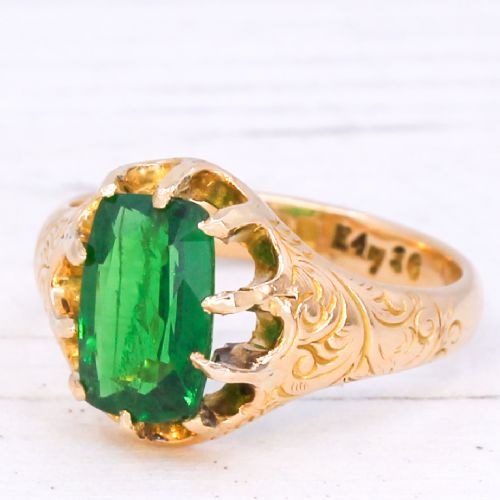
A carved claw ring brings together organic tension and precious metal, offering a striking piece of antique jewellery with genuine character.
Carved Claw Ring
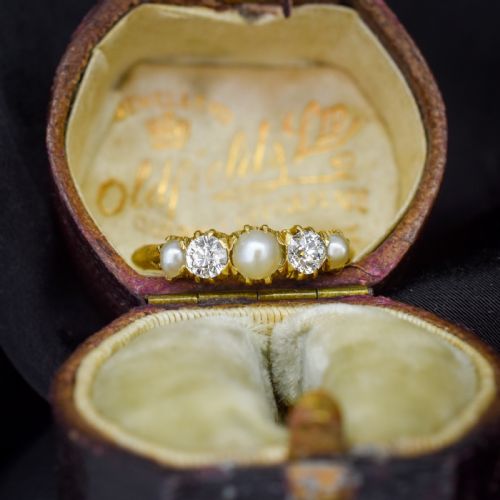
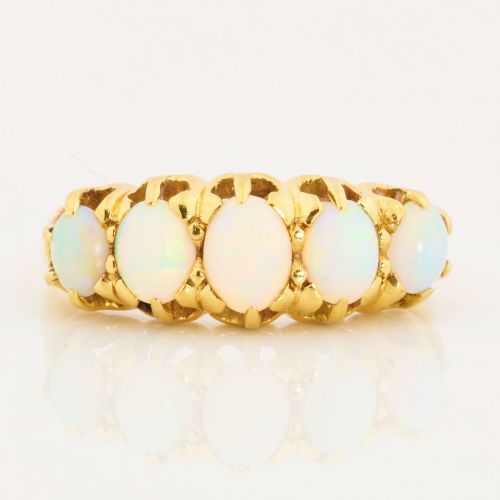
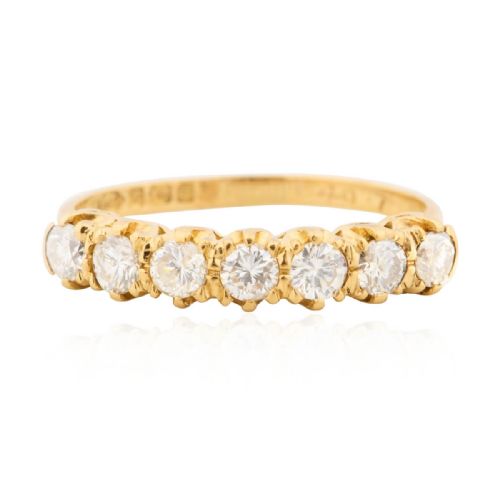
A carved claw ring focuses attention on the way precious settings grip stones or take the form of talons. This page holds various pieces originating from the Victorian, Edwardian, and Art Deco periods, alongside vintage examples from the mid twentieth century.
The selections span several distinct forms, from classic five stone bands and sapphire and diamond clusters to solid gold panels holding carved jadeite. Most examples rely on 18ct yellow gold, platinum, or traditional gold alloys to anchor the stones.
Buyers encounter classic fine jewellery that demonstrates distinct craftsmanship from the turn of the century through to the nineteen fifties. Each piece reflects the aesthetic preferences of its specific decade, whether that means a delicate Edwardian hallmarked band or a bolder Victorian half hoop.
How they were made
Goldsmiths shaped durable mountings in 18ct yellow gold and platinum to securely hold diamonds, sapphires, emeralds, and jadeite. Metalwork techniques from the nineteenth and early twentieth centuries relied on solid casting and hand fabrication to form robust settings.
Stone cutting followed period traditions, utilising old mine cuts, old cut diamonds, and carefully shaped jadeite panels. Jewellers set these gems using precise claw formations designed to maximise light entry while ensuring structural security.
The archive reveals an unexpected crossover: tortoiseshell claw and ball carved earrings sitting alongside these rings.
What varies in quality
The distinction between tiers rests upon the choice of gemstones and the precision of the metalwork. Pieces featuring substantial old cut diamonds, tsavorite garnet, or well carved jadeite command greater attention from collectors.
Structural integrity and the crispness of the claw settings define the standard of execution. Well preserved hallmarks, such as those from London, alongside balanced proportions across five stone rings and eternity bands, elevate the piece.
The Carved Claw Ring Glossary
- Old Cut Diamond
- A diamond cut fashioned before modern brilliant standards, typically featuring a small table, high crown, and open culet. These stones catch candlelight warmly.
- Edwardian
- A stylistic period spanning the reign of King Edward VII, known for refined platinum work and delicate gemstone arrangements. Jewellery from this era often feels light and airy.
- Jadeite
- A dense mineral carved into smooth panels and rings, particularly popular during the early twentieth century. It displays varying depths of green colour and a vitreous lustre.
- Half Hoop Ring
- A ring design where gemstones span across the upper portion of the band in a continuous arc. This style became widely favored during the Victorian era.
Carved Claw Ring: Frequently Asked Questions
How do I care for a carved claw ring?
Clean your ring gently using warm water, mild soap, and a soft brush to remove everyday debris from beneath the settings.
Avoid wearing antique jewellery during heavy manual tasks to protect the gold claws and softer stones like jadeite from impact.
Are these rings suitable for daily wear?
Many solid 18ct gold and platinum rings from these periods were built to withstand regular use.
However, delicate stone arrangements or antique pieces require mindful handling to preserve their original settings and claw structures.
How can I tell an Edwardian ring apart?
Edwardian pieces often utilise platinum settings combined with yellow gold, showcasing refined craftsmanship and lighter structural designs.
Look for distinctive hallmarks and stylistic cues that point to the early twentieth century.
What does a five stone ring feature?
A five stone ring displays a row of graduated or matching gemstones across the top of the band, commonly featuring diamonds or coloured stones.
This classic configuration remained popular across the Victorian, Edwardian, and vintage periods.