

Diamond Anniversary Band
A diamond anniversary band marks a milestone with enduring stones set into gold or platinum.
Diamond Anniversary Band
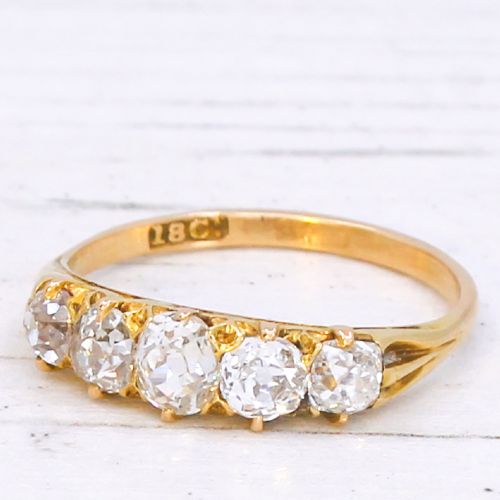
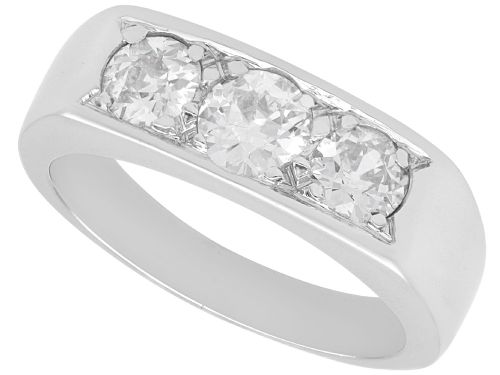
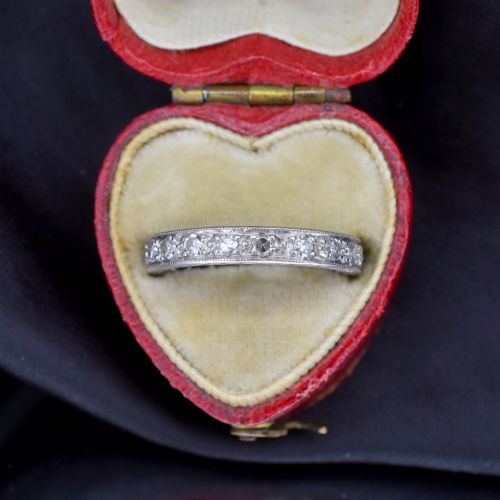
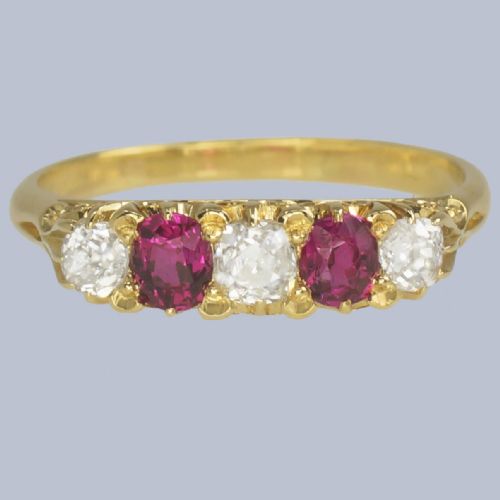
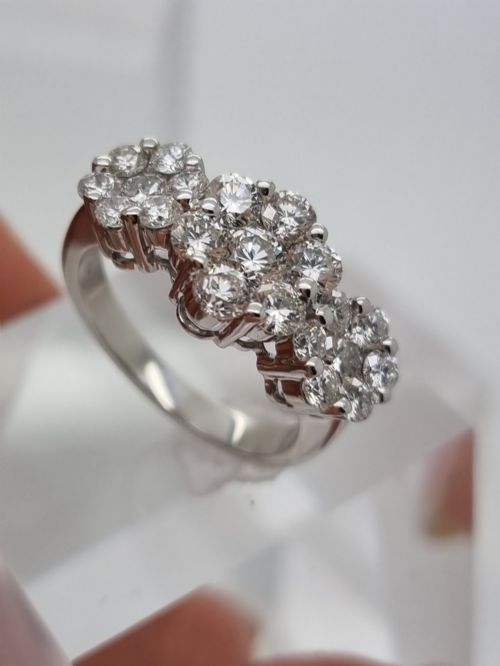
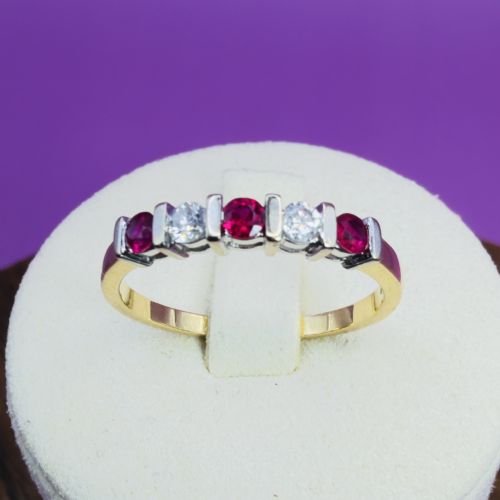
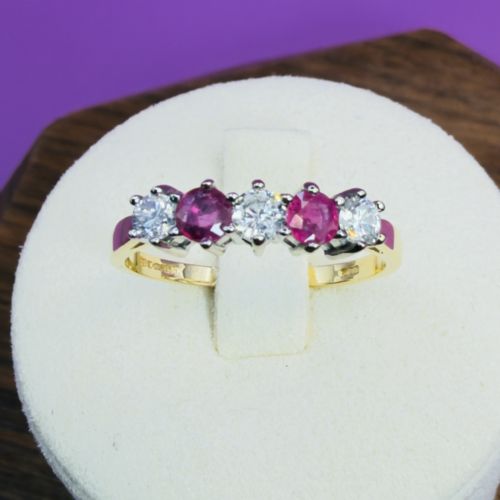
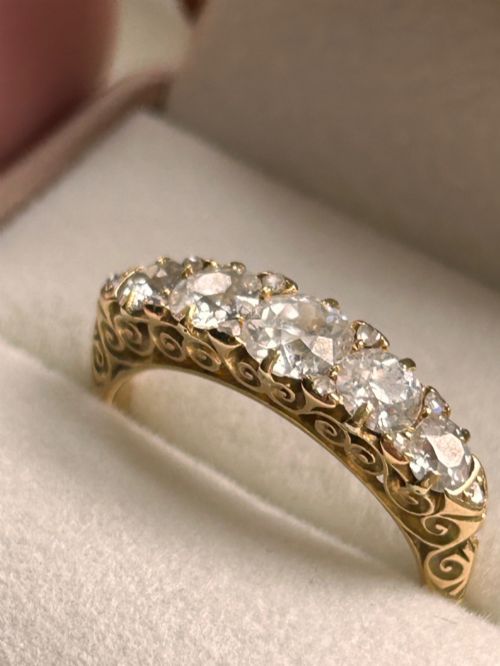
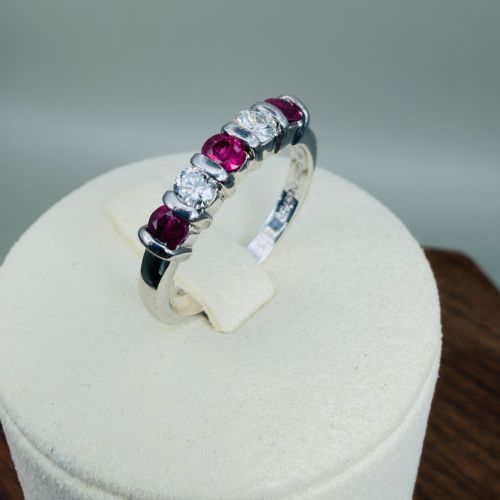
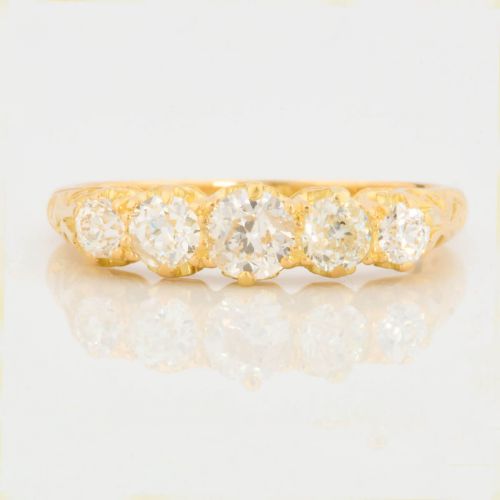
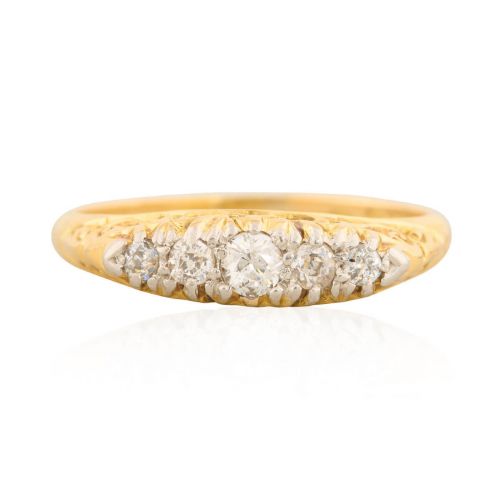
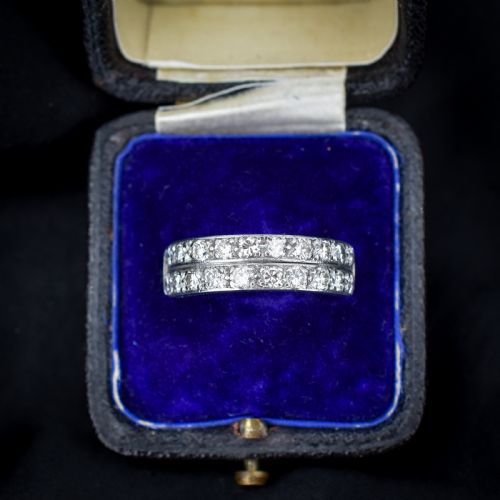
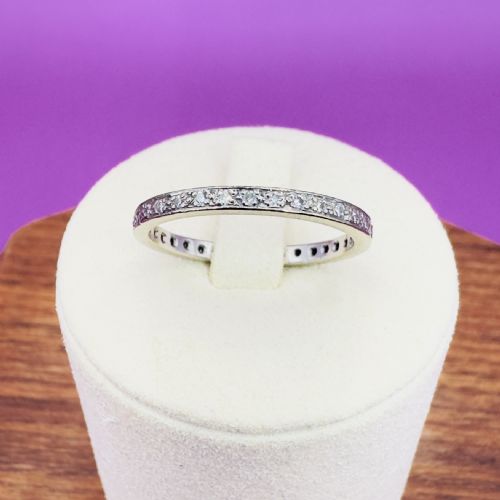
A diamond anniversary band is a ring set with multiple stones spanning either part or the full circumference of the finger. You will most frequently encounter five-stone rings, half eternity bands, and full eternity designs across this selection.
The pieces on this page originate from a broad span of eras, running from Victorian and Edwardian examples through Art Deco designs to mid-century and later twentieth-century creations. These bands serve to commemorate years passed or significant relationships.
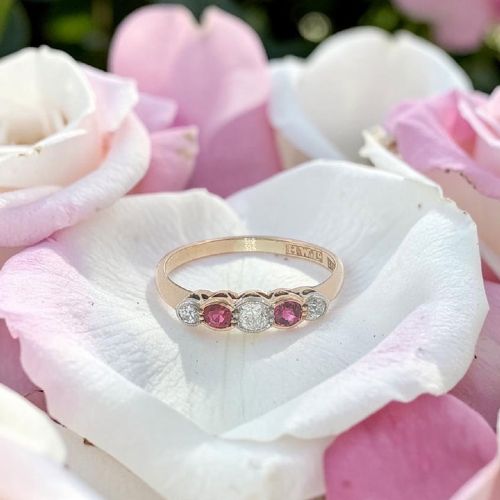
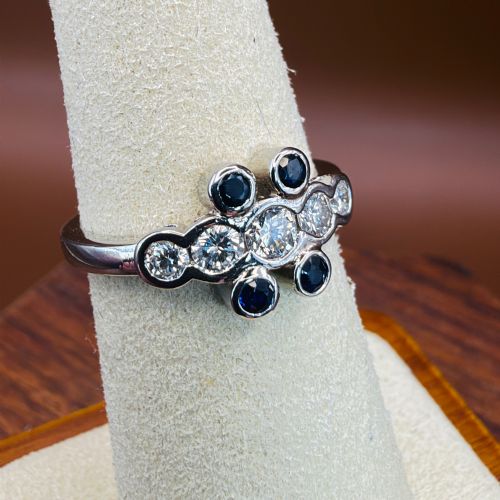
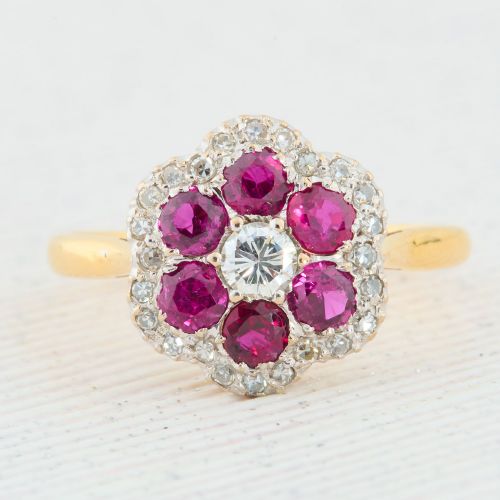
Makers utilised various configurations, pairing diamonds with rubies, sapphires, emeralds, opals, and garnets in yellow, white, and platinum mountings. Each ring format reflects the prevailing aesthetic of its decade of manufacture.
How they were made
Goldsmiths shaped these bands primarily from eighteen-carat yellow or white gold, platinum, and occasionally nine-carat gold, securing the gems within claw, channel, gypsy, or flush settings. Older examples often display hand-cut old mine or old cut diamonds, whilst later pieces incorporate round brilliant stones.
Construction techniques evolved from early Victorian hand-forged mountings and Edwardian platinum-topped gold work to the precise geometric channels characteristic of the Art Deco period. Metals were worked to balance structural strength with maximum light exposure for the gemstones.
Diamond Anniversary Band Retail Price Guide 2026
Typical asking prices for diamond anniversary band among the pieces listed under this phrase on Sellingantiques today, from the lower quarter to the upper quarter. They describe what is for sale here now, not the wider market.
Several rings feature secret alternating rubies and diamonds, designed to whisper a private code of colour from the finger.
What varies in quality
Quality in a diamond anniversary band rests in the matching, colour, and clarity of the selected stones, alongside the integrity of the setting work. Well-matched old cut or brilliant diamonds with consistent sparkle elevate a piece far above one with disparate stones.
The robustness of the band itself matters greatly, as heavier gold or platinum shanks resist the wear of daily pairing with other rings. Finely executed claw work or secure flush settings demonstrate superior bench craftsmanship.
The Diamond Anniversary Band Glossary
- Half eternity band
- A ring set with gemstones across the upper half of the band rather than the entire circumference. This design allows for easier sizing.
- Old mine cut
- An early diamond cut characterised by a cushion shape, high crown, and large open culet. These stones display a distinctive candlelit glow.
- Gypsy set
- A mounting style where stones are flush-set directly into holes drilled into the thick metal band. It creates a smooth, snag-free surface.
- Trilogy ring
- A three-stone ring traditionally representing the past, present, and future of a relationship. These frequently feature a central diamond flanked by smaller gems.
Diamond Anniversary Band: Frequently Asked Questions
Can I wear an anniversary band daily?
These rings suit everyday wear provided the setting metal remains thick and sturdy. Platinum and eighteen-carat gold offer the durability required for continuous friction against other bands.
Periodic inspection by a jeweller ensures that claws remain tight and stones stay secure through routine activities.
How do I wear this with my wedding ring?
An anniversary band sits comfortably alongside a traditional wedding band or engagement ring on the same finger. Many buyers match the metal colour of their existing rings for a cohesive look.
Profile shapes vary, so flat-sided bands often stack flush against older engagement rings without leaving gaps.
How do I identify an older diamond cut?
Old cut and old mine cut diamonds display smaller tables, higher crowns, and larger facets than modern brilliant stones. They were shaped by hand before modern proportions were standardised.
Under magnification, their facets often appear slightly irregular due to the hand-polishing methods of the Victorian and Edwardian eras.