

Dial Clock with Pendulum
When you search for a dial clock with pendulum, you are tracking down timepieces that balance functional precision with striking cabinetry.
Dial Clock with Pendulum
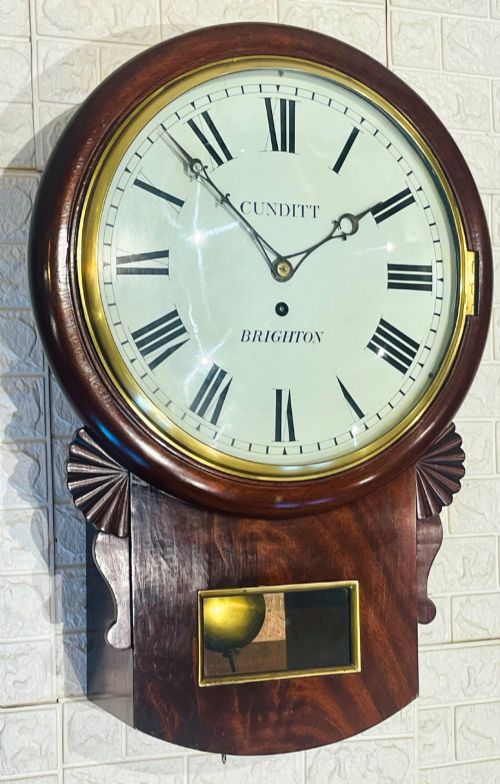
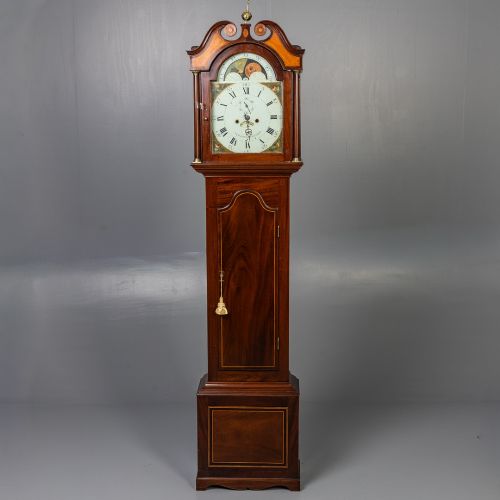
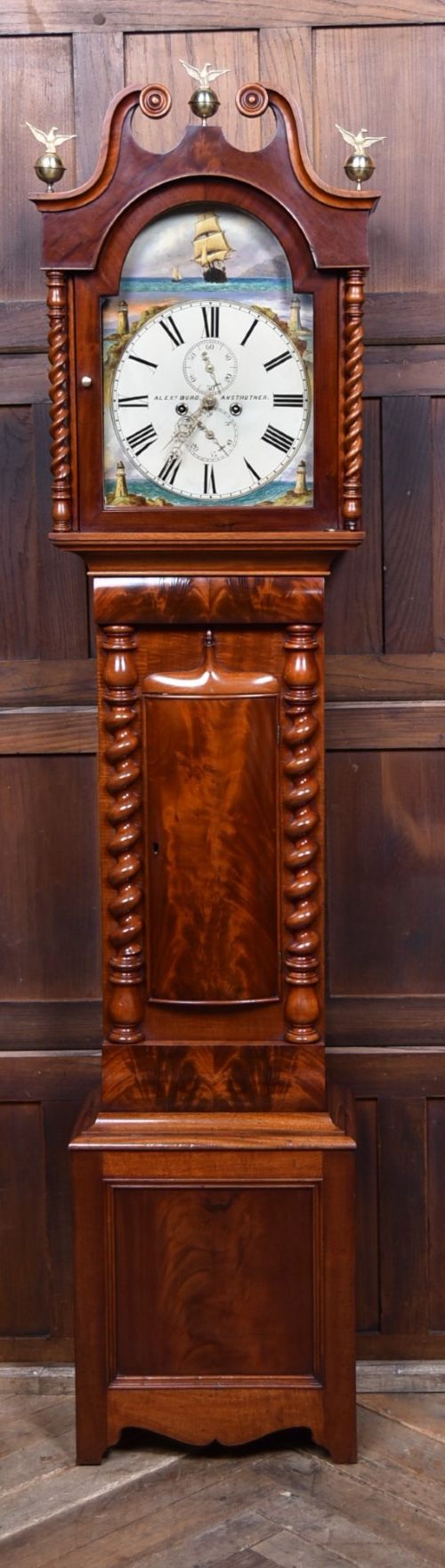
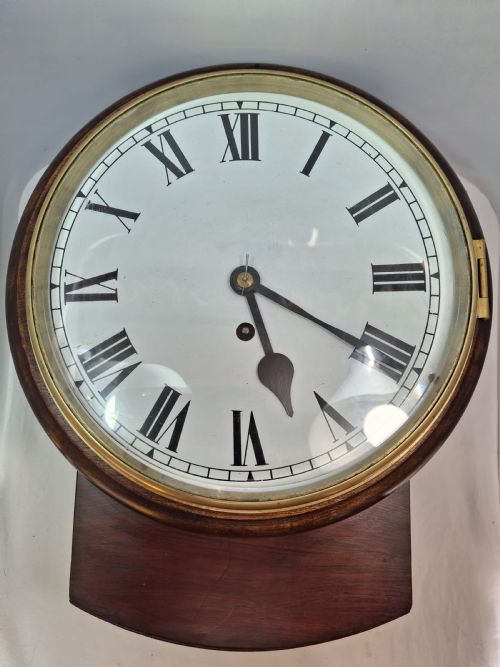
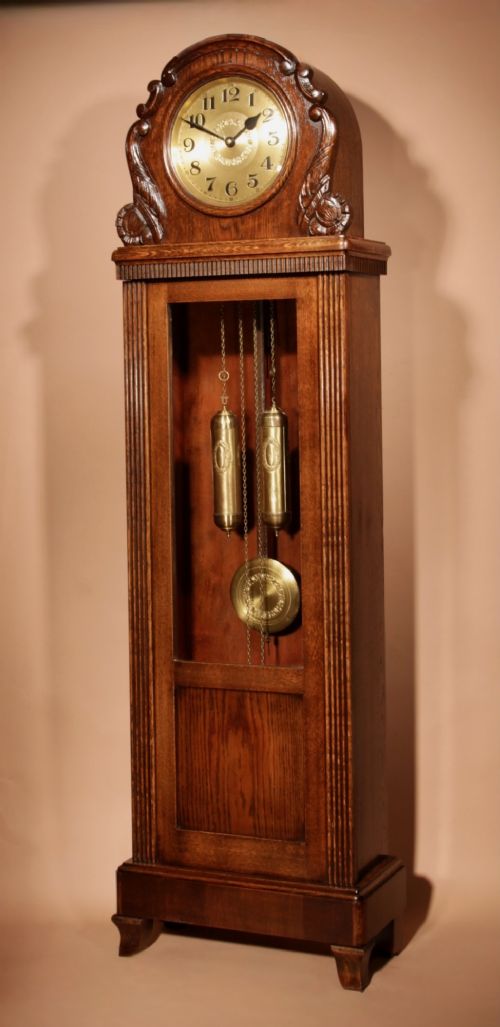
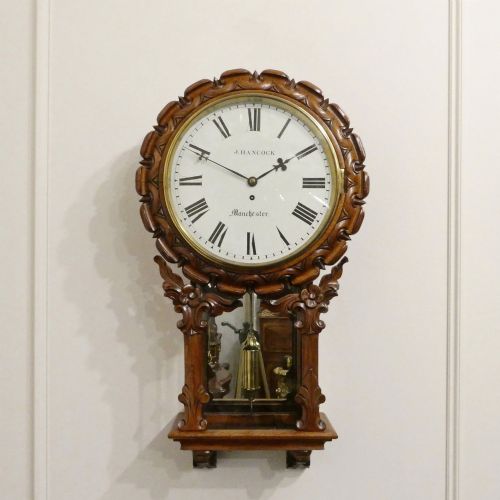
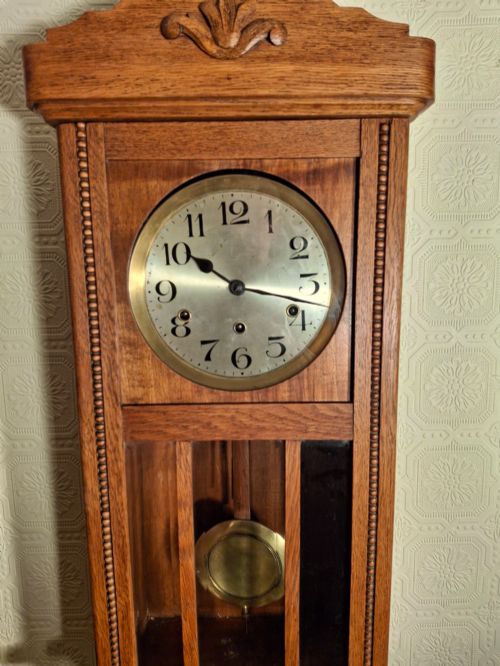
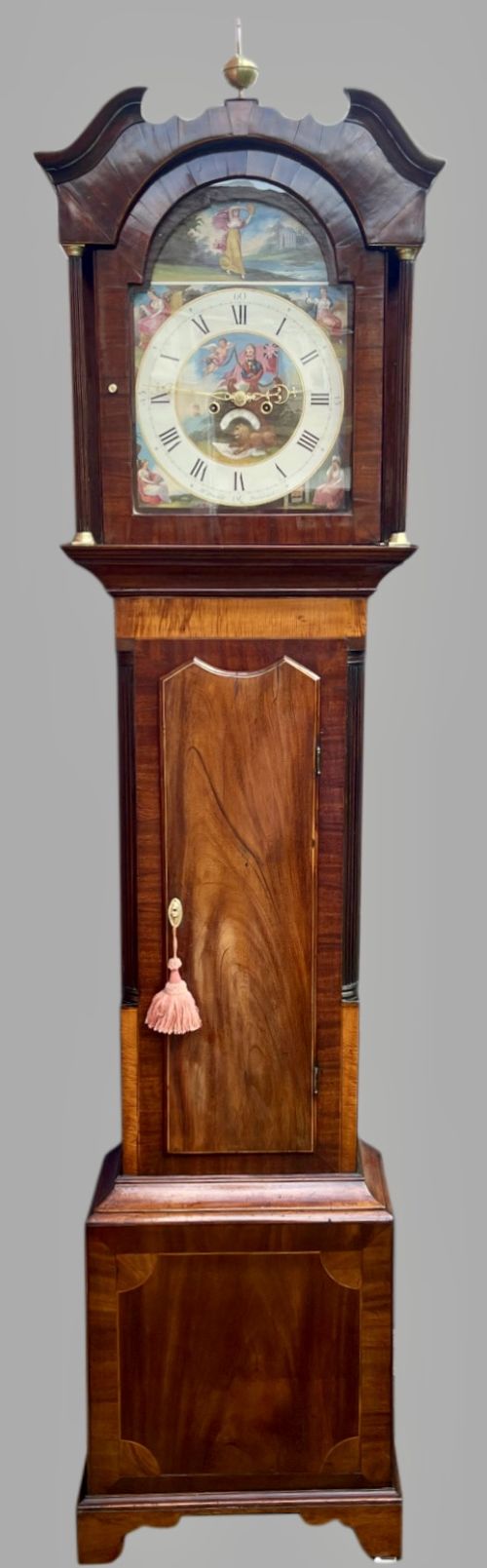
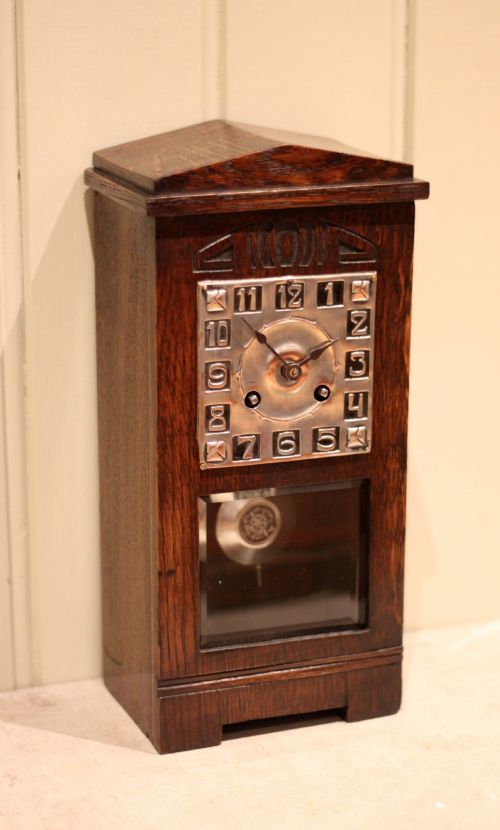
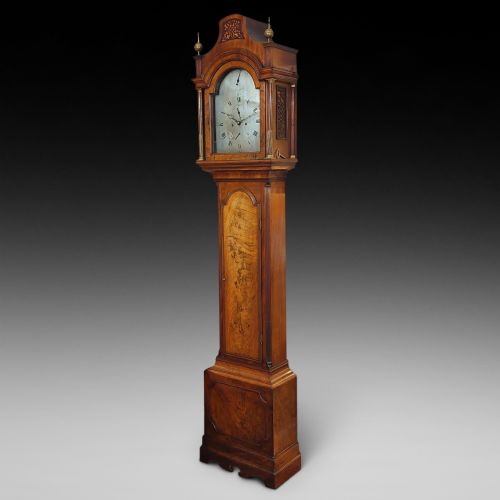
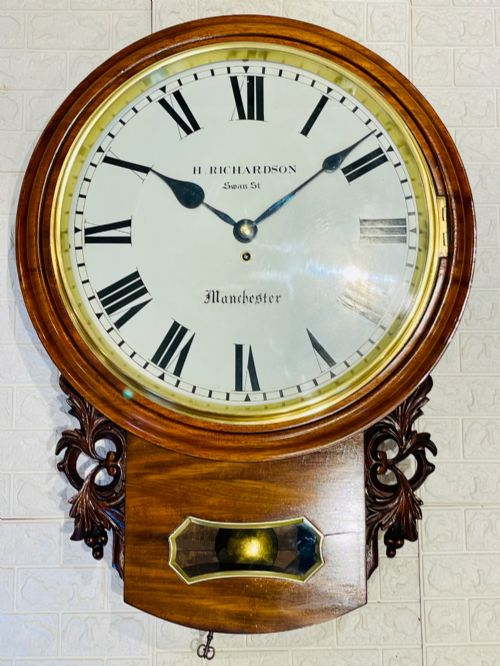
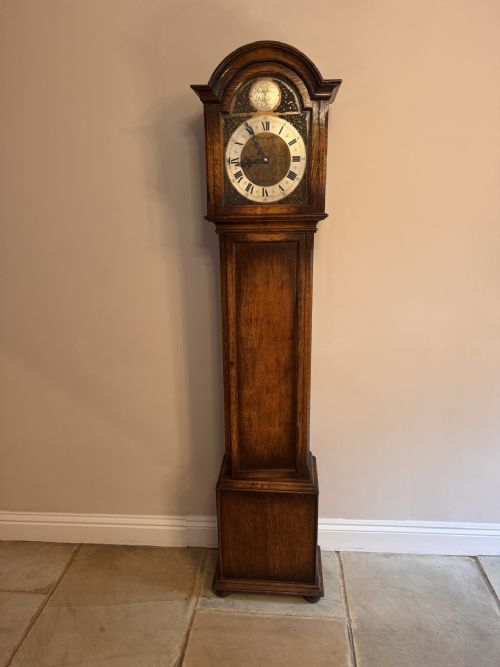
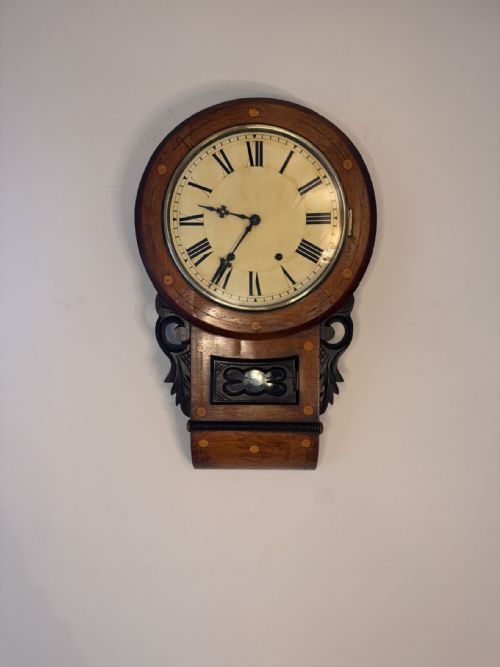
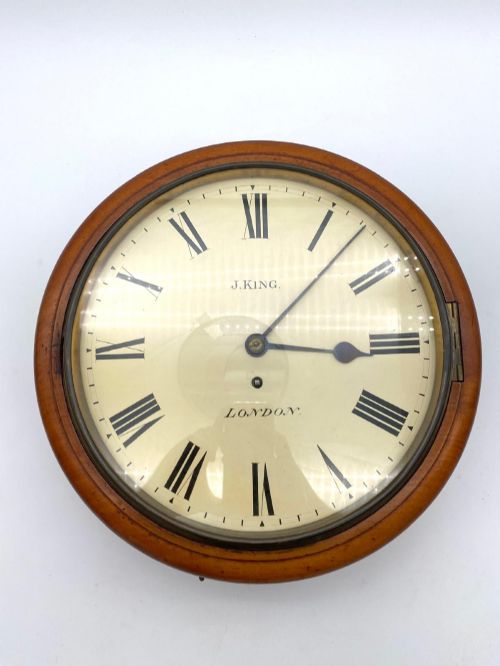
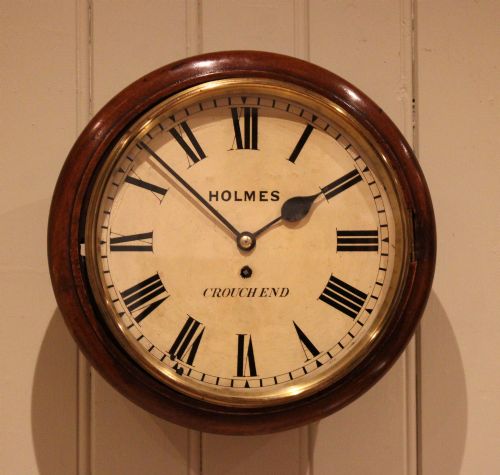
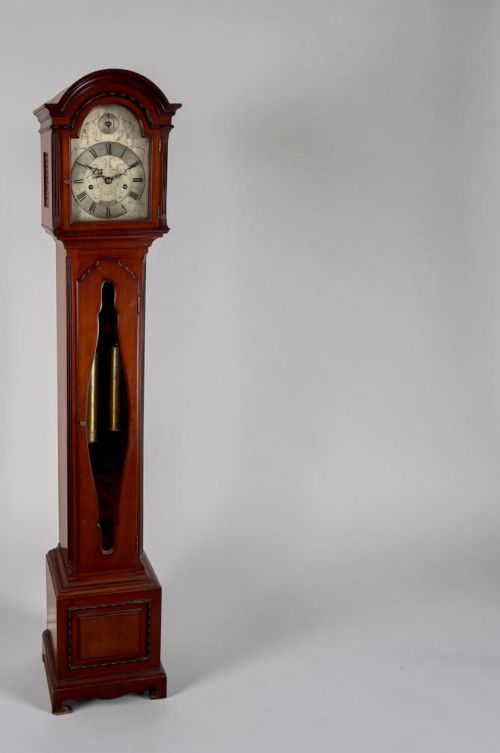
A dial clock with pendulum encompasses wall-mounted timepieces, mantel designs, and tall case formats designed to regulate time through the steady swing of a weighted arm. You are most likely to meet wall-hung fusee models featuring circular faces alongside substantial oak and mahogany grandfather clocks.
The selections span from late seventeenth-century floor models to nineteenth-century railway and drop-dial wall clocks originating across Britain and continental Europe. These pieces reflect both domestic utility and decorative ambition across Georgian, Victorian, and Edwardian eras.
How they were made
Clockmakers housed intricate brass and steel gear trains inside timber cases built from mahogany, oak, walnut, or painted finishes, protecting the mechanism behind glazed bezels. Dials were fashioned from wood, convex metal, or enamel, often complemented by cast brass bezels and decorative gilt bronze accents.
Movements relied on fusee or weight-driven systems to maintain steady power delivery to the escapement, while pendulums regulated the beat. Makers incorporated specialised complications such as moon phase indicators, striking mechanisms, and thermometer attachments directly into the face or case.
Dial Clock with Pendulum Retail Price Guide 2026
Typical asking prices for dial clock with pendulum among the pieces listed under this phrase on Sellingantiques today, from the lower quarter to the upper quarter. They describe what is for sale here now, not the wider market.
Keep an ear out for clocks featuring rocking Father Time automata or calendar hands that wait patiently to change their tune.
What varies in quality
The distinction between tiers rests on the sophistication of the movement, the crispness of the dial markings, and the integrity of the cabinet work. Finely executed pieces display signed movements by recognised makers, balanced proportions, and careful timber selection rather than mass-produced uniformity.
Surviving original elements, from the painted decoration on the dial to the precise fitting of the bezel and case, dictate the standing of an individual clock. Attention to detail in the engraving, dial legibility, and casework joinery separates standard utility timepieces from exceptional examples.
Edward White Birmingham·Edward Stanton·John Shelton London·Joseph Windmills London·William Noke Shropshire
The Dial Clock with Pendulum Glossary
- Fusee
- A conical pulley used in spring-driven clocks to equalize the driving force as the mainspring unwinds. This mechanism ensures consistent power delivery to the escapement for better timekeeping accuracy.
- Drop-dial
- A wall clock design featuring an extended wooden trunk below the circular dial to accommodate the swing of the pendulum. This format became a staple of British railway and station offices.
- Escapement
- The mechanical linkage that translates the rotary motion of the gear train into the impulses that keep the pendulum swinging. Common variations include pinwheel and anchor configurations.
- Moon phase
- A dial complication that tracks the lunar cycle across a painted revolving disc. It displays the changing phases of the moon through an arched aperture on the clock face.
Dial Clock with Pendulum: Frequently Asked Questions
How do fusee movements work?
A fusee movement utilises a conical drum and a cord or chain to regulate the diminishing power of a mainspring. As the spring loses tension, the cord rides higher on the cone to maintain consistent torque.
This clever mechanical adjustment helps the clock maintain steady accuracy throughout its running cycle between windings.
Where were drop-dial clocks used?
Drop-dial clocks were widely installed in public buildings, railway stations, offices, and domestic hallways where clear legibility was essential. Their wall-mounted format kept the floor clear while allowing the pendulum adequate room to swing.
Many examples bear specific station or municipal names inscribed directly onto the dial or case.
How do I set up a pendulum clock?
Setting up a pendulum clock involves mounting the case securely to a wall or placing a longcase model on a level floor. The pendulum is then hung gently from its suspension spring behind the dial.
Once started with a gentle push to one side, the anchor escapement should settle into an even, steady tick.