


Desk Paperweight Figurine
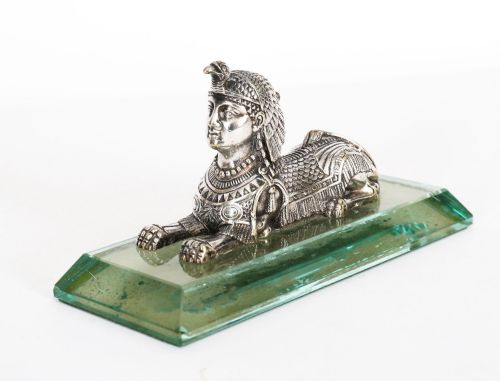
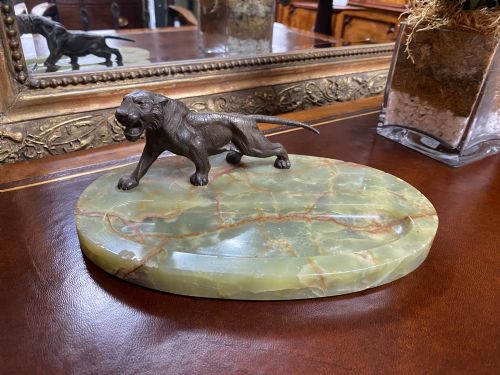
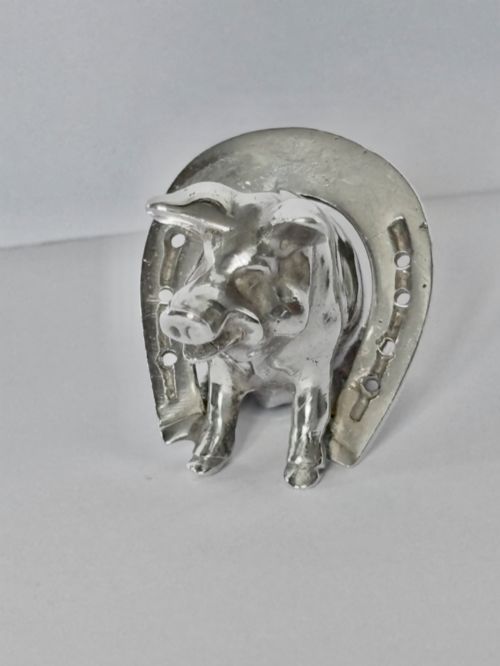
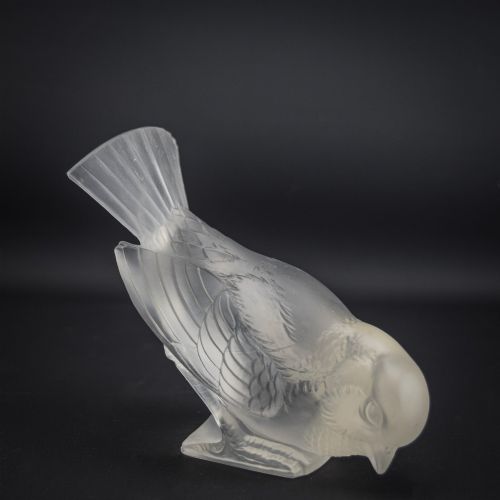
Desk paperweight figurine designs bring functional utility to small bronze, glass and metal animal sculptures that anchor paperwork on a study table.
Desk Paperweight Figurine
A desk paperweight figurine combines the decorative appeal of a small sculpture with the practical weight needed to secure loose papers on a writing table. These pieces span the nineteenth century through the mid twentieth century, taking the form of animals, birds, and figural subjects.
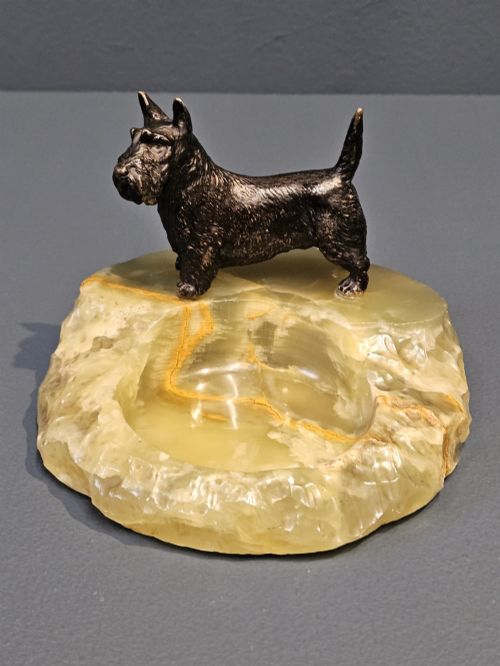
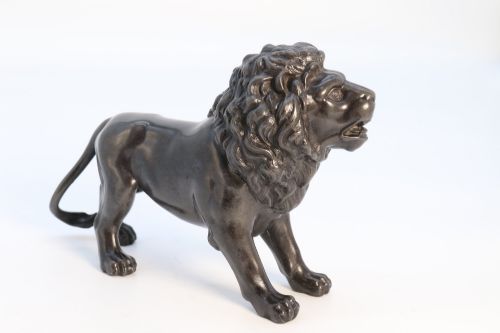
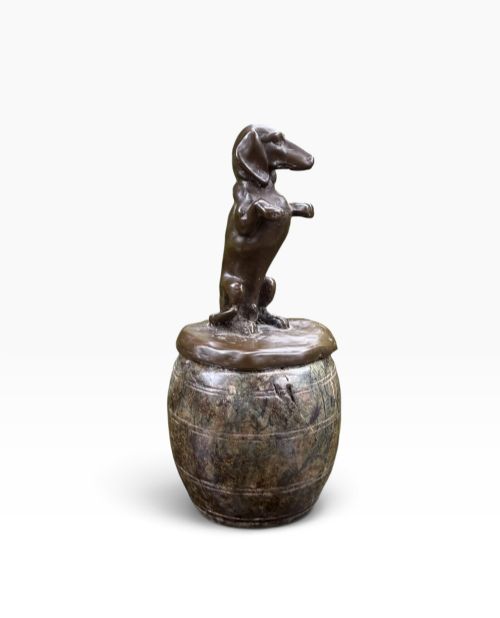
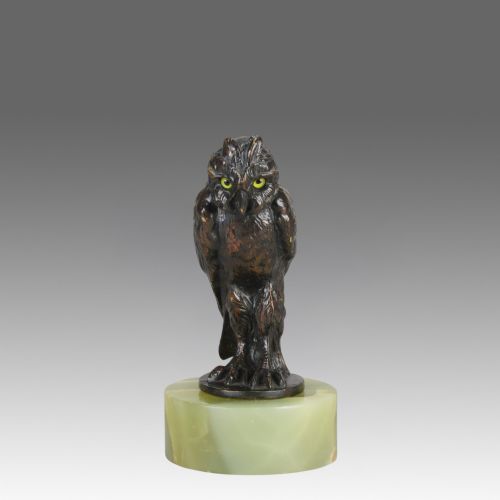
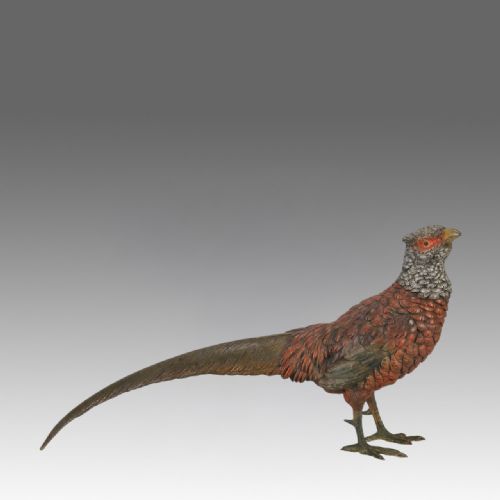
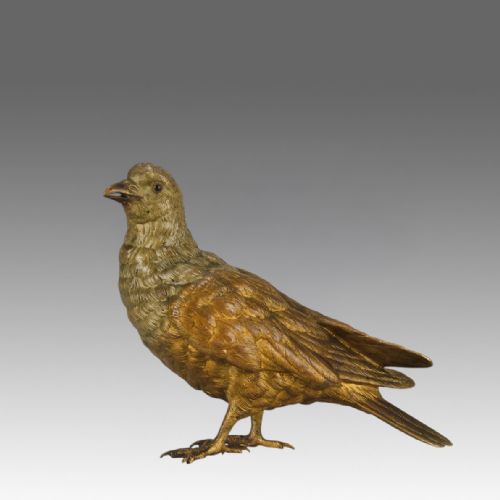
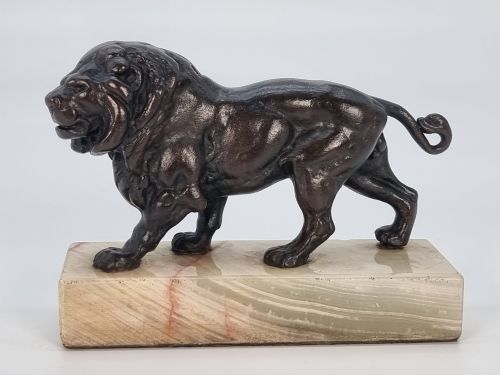
The selections on this page draw heavily from animalier traditions, featuring dogs, birds, and wild beasts rendered in realistic poses. Many examples sit atop heavy stone bases such as marble or green onyx to provide the necessary heft for desk use.
Origins range from English Victorian workshops to Austrian foundries and French studios, reflecting varied regional tastes in desktop ornamentation. Collectors encounter everything from cast iron novelties to finely detailed cold painted bronze subjects.
Materials and casting methods
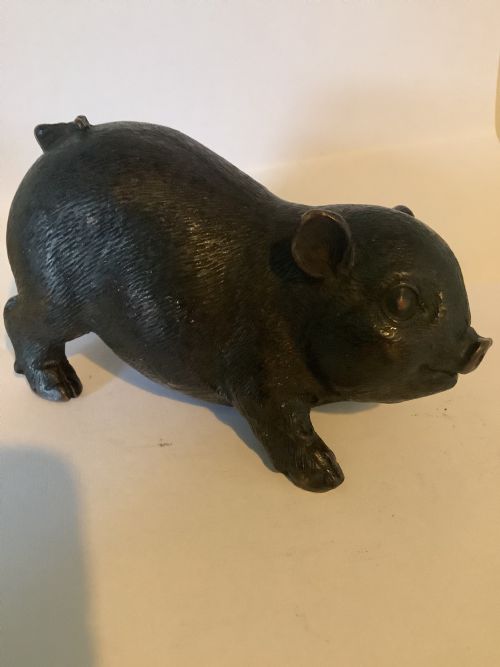
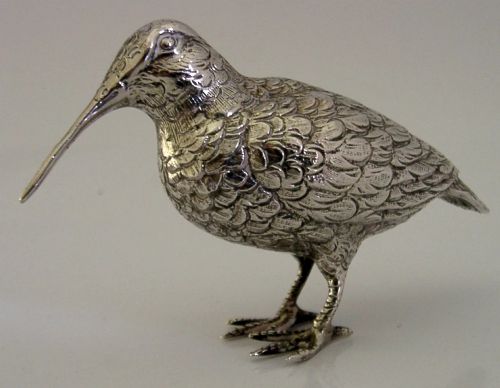
Foundries utilised traditional lost wax casting for bronze figures, capturing fine textures in fur and feathers before applying patination or polychrome cold painted finishes. Other pieces rely on cast iron, spelter, or silver, matched to heavy stone plinths of marble and onyx.
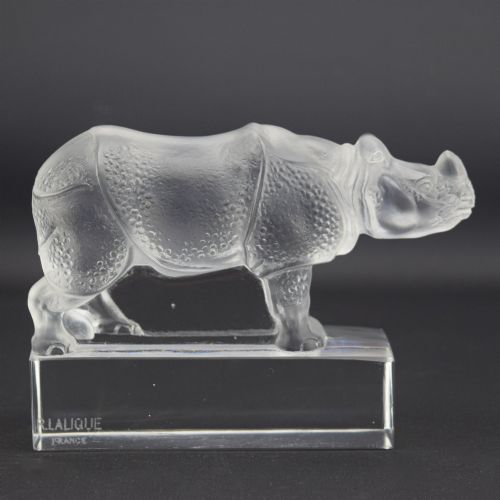
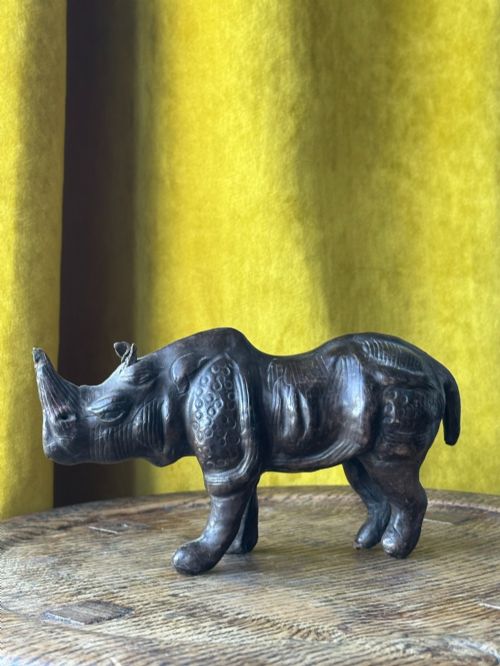
Moulded glass works employ pressed and frosted techniques to achieve tactile translucent qualities, while ceramic and majolica examples utilise glazed earthenware construction. Leather and aluminium appear in twentieth century interpretations, demonstrating diverse manufacturing approaches.
Desk Paperweight Figurine Retail Price Guide 2026
Typical asking prices for desk paperweight figurine among the pieces listed under this phrase on Sellingantiques today, from the lower quarter to the upper quarter. They describe what is for sale here now, not the wider market.
A cast iron paperweight honours the Rev Joshua Brooks, remembered cheerfully as The Manchester Man.
Evaluating casting and finish quality
The distinction between tiers rests upon the crispness of the chasing and the preservation of hand applied polychrome surfaces. Superior bronze and metal castings exhibit sharp anatomical detail and smooth transitions without obscuring tooling marks from the founder.
Base integration also dictates grade, where tightly fitted marble or onyx plinths complement the metal subject securely. Original cold painted surfaces that retain their pigment without excessive flaking distinguish finer examples from heavily restored counterparts.
Antonio Canova·Dora Heber·Franz Bergman·Rene Lalique·Antoine Louis Barye·Isidore Jules Bonheur·Edward Aagaard
The Desk Paperweight Figurine Glossary
- Animalier
- A nineteenth century artistic movement focused on the realistic depiction of animals. Sculptors in this tradition studied anatomy closely at menageries.
- Cold painted bronze
- A process where bronze figures are painted with cold paint rather than fired in a kiln. This technique gained prominence in Austrian foundries during the late nineteenth and early twentieth centuries.
- Grand Tour
- A cultural journey undertaken by wealthy young Europeans to continental sites of antiquity. Souvenirs from these travels included small bronze architectural models and classical sculptures.
- Spelter
- An alloy of zinc and copper used as an economical alternative to bronze. It takes patination well but proves more brittle under stress.
- Patina
- The surface sheen or colour developed through age, oxidation, or chemical treatment on metal objects. A stable patina protects the underlying material and adds visual depth.
Desk Paperweight Figurine: Frequently Asked Questions
What is a desk paperweight figurine?
A desk paperweight figurine is a small sculptural object designed to hold down documents while adding decorative character to a workspace. These items bridge the gap between fine art and everyday stationery.
They appear in various metals, ceramics, and glass, often depicting animals or classical figures sized appropriately for a writing desk.
How do I care for cold painted bronze?
Cold painted bronze requires gentle dusting with a soft, dry brush to protect the delicate painted surface from moisture and abrasion. Avoid chemical cleaners or excessive handling that might lift the pigment.
Keeping the piece away from direct sunlight prevents fading of the original polychrome colours over time.
Why are some figures mounted on stone bases?
Stone bases made of marble or onyx add the necessary physical weight to transform a decorative figurine into a functional paperweight. The dense mineral plinth anchors the metal sculpture securely against drafts.
These bases also provide a clean visual frame that lifts the subject off the writing surface.
How can I distinguish bronze from spelter?
Bronze feels heavier, rings with a clearer tone when tapped gently, and exhibits a warm reddish-brown undertone beneath its patina. Spelter feels lighter, softer, and often shows a greyish metal where the surface finish has worn away.
Magnification can reveal the crisper surface detail characteristic of bronze casting compared to the softer edges of spelter.