



Derby Soft Paste Porcelain
Derby soft paste porcelain brings eighteenth-century figures, tureens, and candlesticks into your room with hand-painted enamels and delicate gilt highlights.
Derby Soft Paste Porcelain
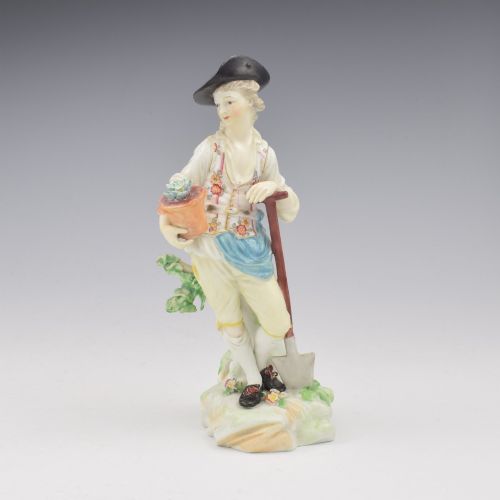
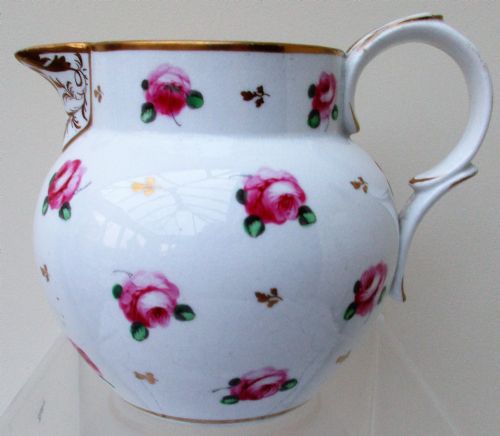
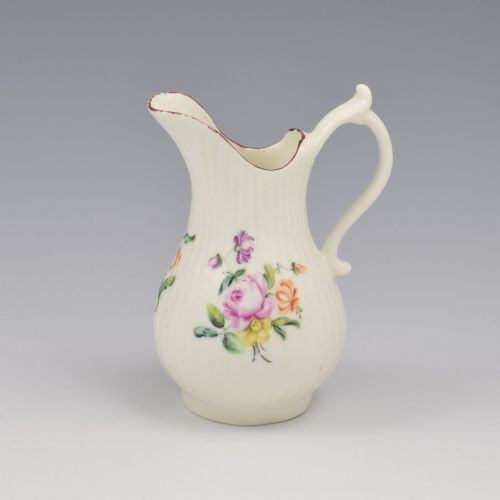
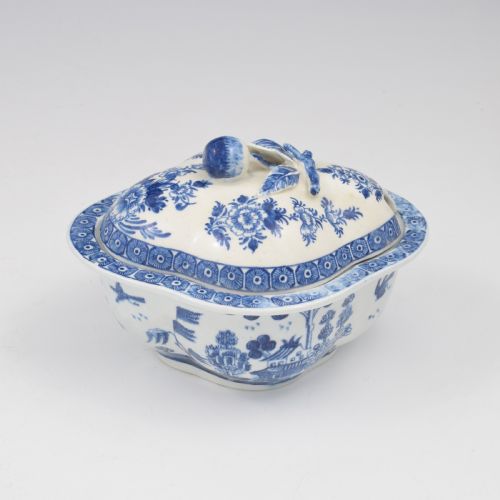
Derby soft paste porcelain comprises figures, tureens, jugs, and candlesticks originating primarily in the eighteenth century and the Georgian period. When you search for derby soft paste porcelain, you encounter items shaped into pastoral subjects, allegorical figures like the four continents, and functional vessels.
The objects span periods from the seventeen-fifties through the Regency era, featuring styles such as Rococo, Georgian Rococo, and Neoclassical. Figures of musicians, shepherds, dancers, and mythological characters dominate the forms available in this category.
Makers and periods recorded in these pieces include the patch period and work associated with William Duesbury and Company, alongside later Bloor period items. Many pieces carry specific model numbers, connecting them to established sculptural series from the factory.
Materials and production methods
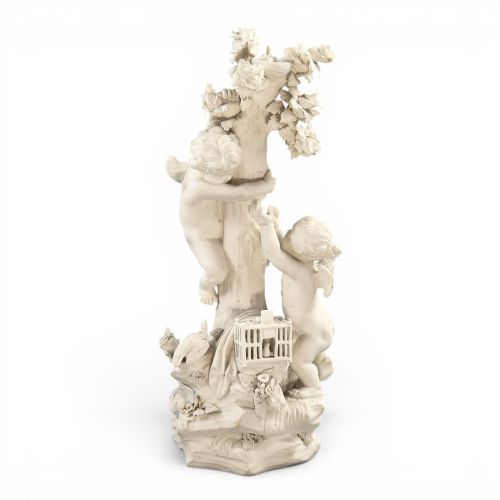
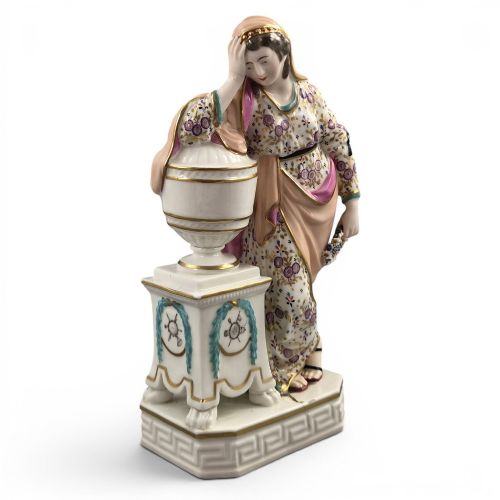
The body of these objects consists of soft-paste porcelain, paired with glaze and biscuit porcelain for unglazed sculptural figures. Enamel colours and gold leaf provide the surface decoration applied over the fired ceramic body.
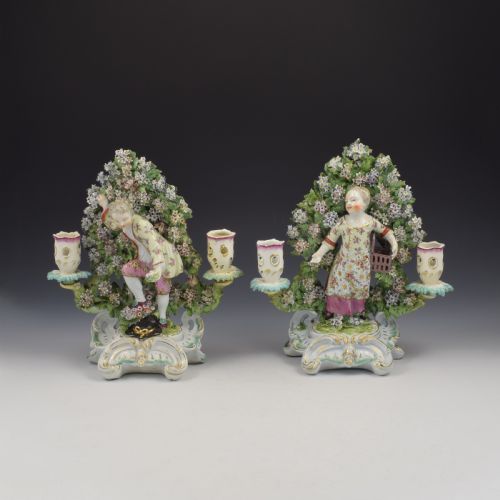
Makers shaped these pieces through hand modelling and casting, often incorporating intricate background elements like bocage foliage behind figures and candlesticks. Gilding highlights and hand-painted polychrome enamels complete the decorative scheme on plates, tureens, and statuettes.
Derby Soft Paste Porcelain Retail Price Guide 2026
Typical asking prices for derby soft paste porcelain among the pieces listed under this phrase on Sellingantiques today, from the lower quarter to the upper quarter. They describe what is for sale here now, not the wider market.
Listings feature Georgian and Regency items, spanning periods from seventeen-fifty to the early nineteenth century in soft-paste porcelain and biscuit porcelain.
Evaluating quality and execution
The distinction between tiers of quality rests on the crispness of the modelling and the precision of the hand-painted enamels. Finer examples retain sharp details in facial expressions, drapery, and applied elements like bocage leaves without blurring in the glaze.
The application of gilding and the complexity of the sculptural group also indicate the standard of the piece. Larger figures, complete pairs, and well-preserved painted details reflect the higher end of eighteenth-century and Georgian production.
William Duesbury and Company
The Derby Soft Paste Porcelain Glossary
- Soft-paste porcelain
- A ceramic composition fired at lower temperatures than hard-paste porcelain, creating a creamy body often used in early English factories. It absorbs enamels well beneath the glaze.
- Bocage
- An applied background of leaves and branches common in eighteenth-century figural groups and candlesticks. This leafy arbour frames the central subject.
- Biscuit porcelain
- Unglaved porcelain fired to a matte finish, resembling marble. It was frequently utilised for classical and allegorical figures.
- Patch mark
- A small, unglazed scar on the base of a piece left by the kiln furniture during firing. These marks help date early figures.
- Enamel
- Coloured glass fused to the porcelain surface through subsequent firings. It provides the vibrant palette seen on garments and decorative motifs.
Derby Soft Paste Porcelain: Frequently Asked Questions
What is soft paste porcelain?
Soft paste porcelain is an artificial ceramic paste developed before true hard-paste porcelain formulas were mastered in England. It produces a warm, translucent body that interacts distinctively with glazes and enamels.
Items made from this material often display a softer texture and slight variations in the glaze pool, characteristic of eighteenth-century firing techniques.
How do I date Derby figures?
Dating relies on stylistic clues, modelling numbers, and manufacturing traits such as patch marks on the base. Early pieces from the seventeen-fifties and sixties often feature Rococo scrolls and naturalistic bocage.
Later Regency pieces, including those from the Bloor period, show Neoclassical influences and richer enamel palettes that distinguish them from Georgian examples.
What is bocage on porcelain?
Bocage is the leafy, trellised background applied behind many eighteenth-century figures and candlesticks. It creates a garden-like setting for pastoral and mythological subjects.
Because of its delicate nature, this foliage required careful hand assembly before firing and adds considerable visual depth to figural groups.
How should I display these figures?
These porcelain pieces require stable placement inside enclosed cabinets away from direct sunlight and heavy foot traffic. Their delicate extremities and applied floral or leafy details benefit from secure shelving.
Gentle dusting with a soft, dry brush keeps the enamel and gilt surfaces clean without risking abrasion to the glaze.