



Derby Porcelain Urn
These derby porcelain urn pieces bring together classical forms and detailed painting from the eighteenth century onwards.
Derby Porcelain Urn
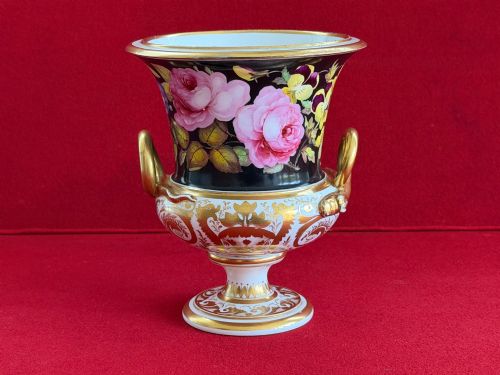
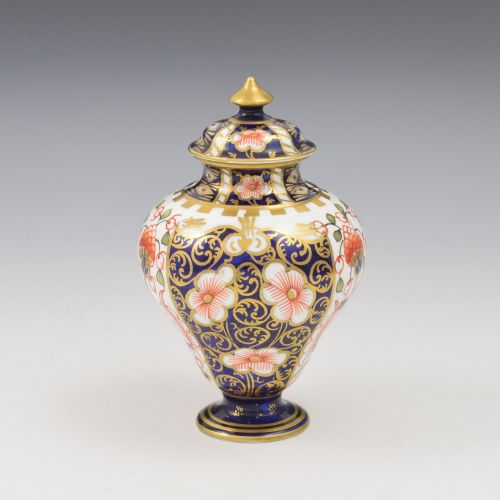
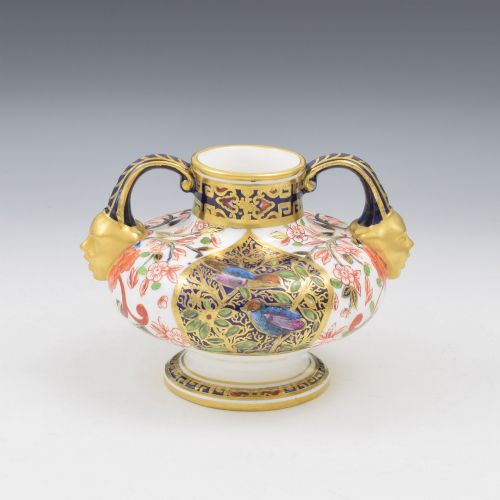
A derby porcelain urn represents a traditional form within British ceramic production, spanning decorative vessels and miniature pieces. The selection includes twin-handled vases, ewers, and covered urns originating from periods such as the Georgian, Regency, and Victorian eras.
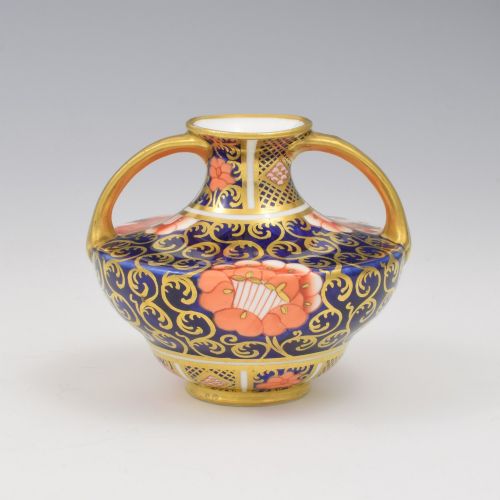
Buyers encounter various aesthetic expressions, from neoclassical designs and Sèvres style gilding to Imari patterns and Aesthetic Movement decoration. Forms range from substantial pairs to delicate miniature porcelain vases.
Originating from successive eras including the nineteenth century and Edwardian period, these objects reflect changing decorative tastes while maintaining a recognisable ceramic lineage.
How they were made
Production relies upon porcelain and bone china, sometimes utilising soft-paste porcelain for earlier examples. Bodies receive a smooth glaze finish to prepare surfaces for subsequent artistic intervention.
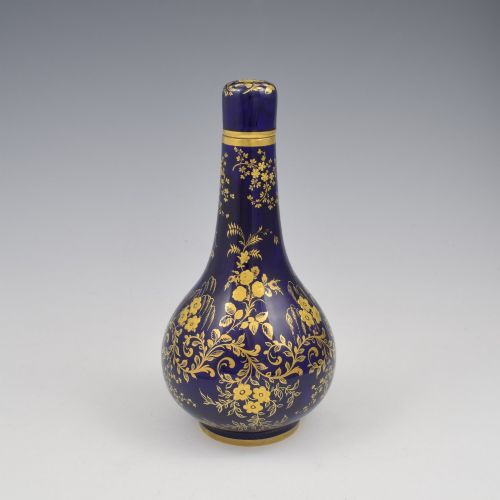
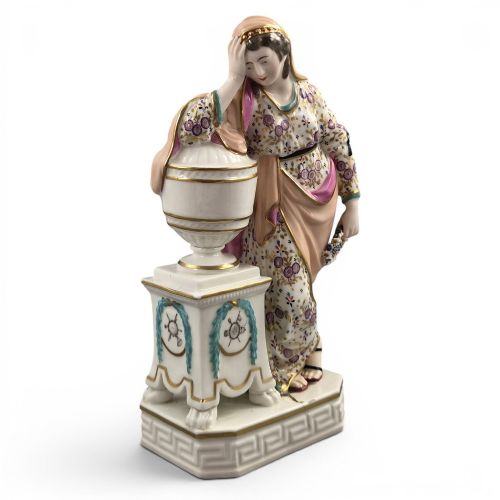
Decoration incorporates enamel painting, gold leaf, and gold gilding to highlight handles, rims, and pictorial panels. Skilled hands executed detailed floral scenes and patterns directly onto the porcelain body before firing.
Derby Porcelain Urn Retail Price Guide 2026
Typical asking prices for derby porcelain urn among the pieces listed under this phrase on Sellingantiques today, from the lower quarter to the upper quarter. They describe what is for sale here now, not the wider market.
Listings feature pieces spanning the eighteenth century through to the early twentieth century, including Georgian, Regency, and Victorian periods.
What varies in quality
The standard of a derby porcelain urn depends significantly on the skill of the painting and the precision of the gilding. Pieces featuring named artists or complex patterns display a higher level of artistic execution.
The crispness of the moulded form and the depth of the enamel colours separate standard production items from finer studio output. Preservation of the gold leaf and the integrity of the porcelain body also influence the overall character of each piece.
William Quaker Pegg·Royal Crown Derby·Zachariah Boreman·Albert Gregory
The Derby Porcelain Urn Glossary
- Soft-paste porcelain
- An early ceramic composition fired at lower temperatures than hard-paste, producing a warm texture. It was widely used in eighteenth-century English factories before bone china became dominant.
- Imari
- A decorative style inspired by Japanese export wares, featuring iron red, cobalt blue, and gold. Royal Crown Derby adopted this palette extensively across various vase and urn patterns.
- Gilding
- The application of gold leaf or powdered gold to ceramic surfaces. It accentuates handles, borders, and motifs on finer pieces.
- Enamel
- Vitreous pigments applied over the glaze to add colour to floral and pictorial scenes. These colours require secondary firing to bond permanently with the porcelain.
- Neoclassical
- A style drawing inspiration from classical antiquity, characterised by symmetry, restraint, and formal decorative motifs. It frequently appears on Georgian and Regency ceramic forms.
Derby Porcelain Urn: Frequently Asked Questions
How do I date a derby porcelain urn?
Dating relies upon factory marks, stylistic indicators such as Regency or Victorian design elements, and recorded periods of production. Examining the paste composition also helps place the piece within the eighteenth or nineteenth century.
Changes in decorative palettes, from neoclassical hand-painted panels to later Imari patterns, provide further chronological markers for these ceramic objects.
Where were these urns made?
These pieces originate from the Derby porcelain works in England, which operated across multiple centuries under various partnerships. The factory became known for both fine figures and decorative vases.
Production spanned several eras, reflecting the evolving skills of painters and modellers working in the Midlands.
How should I display a porcelain urn?
Place decorative urns on stable, level surfaces away from direct sunlight and heavy foot traffic to protect the enamel and gilding. Enclosed cabinets offer security against accidental knocks.
Allow sufficient space around twin-handled vases and ewers so their form and painted details remain clearly visible from multiple angles.
What is the difference between an urn and a vase?
Urns typically feature a covered vessel form, often with a footed base and handles, traditionally associated with classical memorial or decorative shapes. Vases encompass a broader category of open-topped vessels designed for display or holding flowers.
In ceramic production, makers frequently applied both terms interchangeably to describe similar decorative twin-handled forms.