



Derby Porcelain China
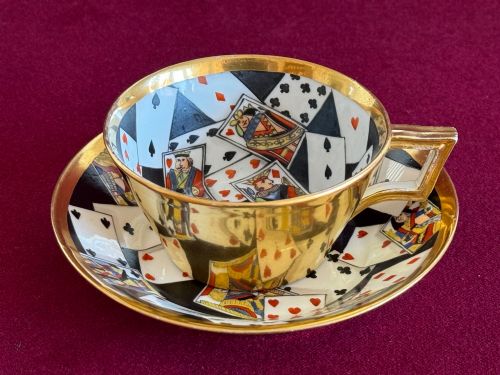
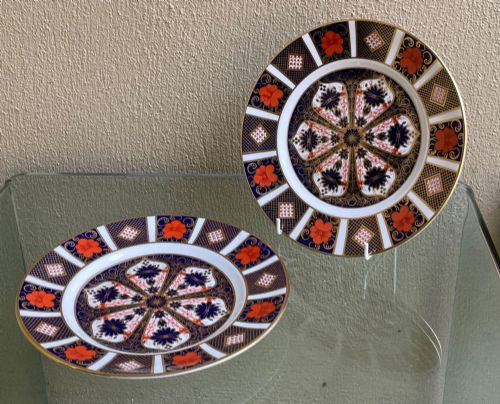
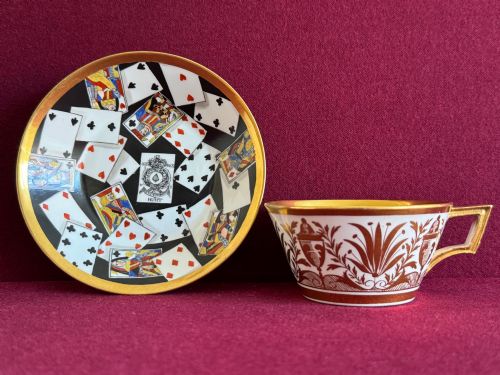
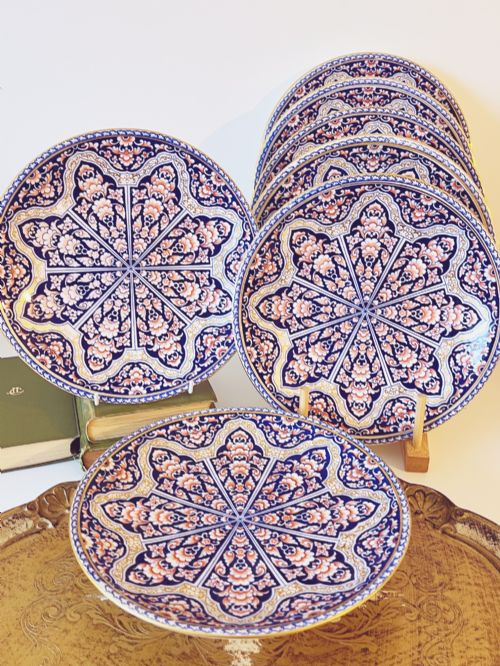
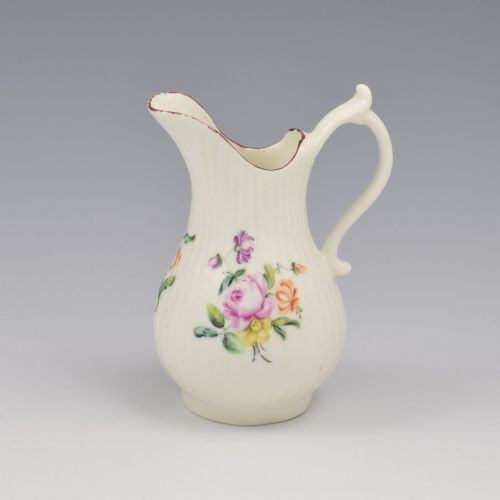
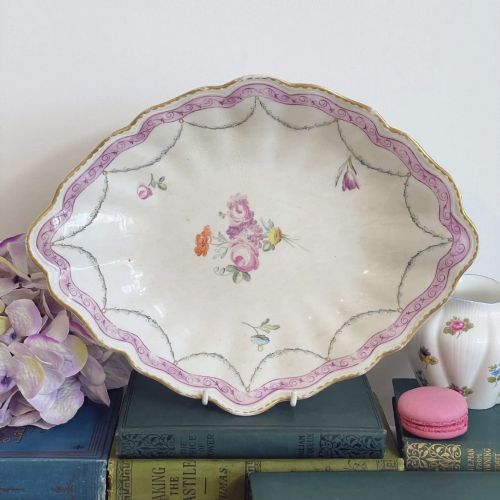
Derby porcelain china brings together delicate handpainted botanical plates, vibrant Imari patterns and sculptural figures spanning the eighteenth and nineteenth centuries.
Derby Porcelain China
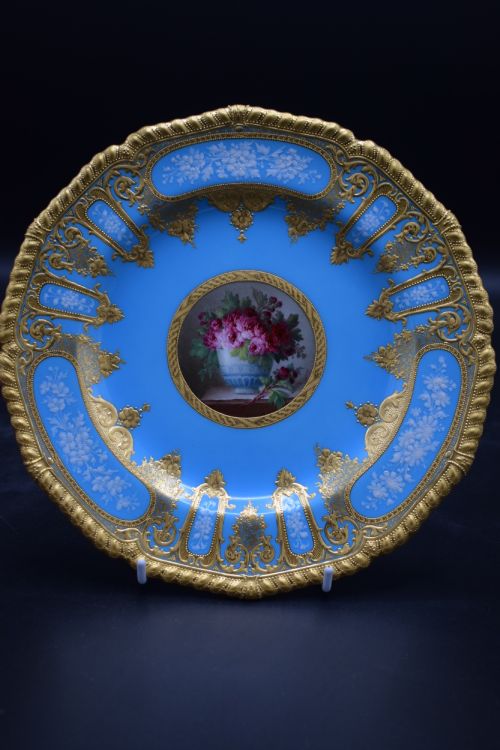
Derby porcelain china comprises a diverse range of decorative and functional ceramics, from early eighteenth-century figures and sauce tureens to nineteenth-century cabinet plates, vases and complete dessert services. When searching for derby porcelain china, collectors frequently encounter wares marked by distinct periods such as the early Chelsea-Derby phase, the Duesbury and Kean eras, Bloor Derby production and later Royal Crown Derby creations.
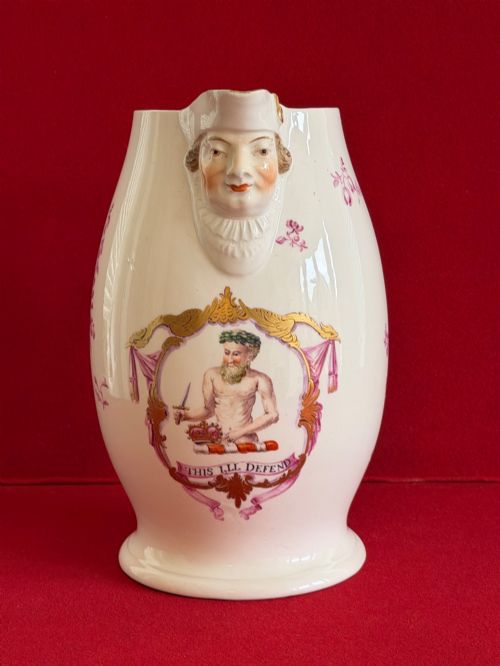
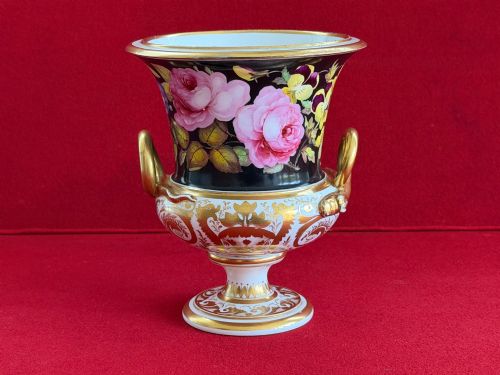
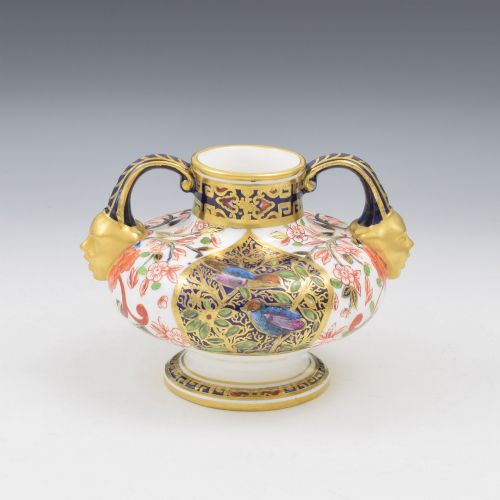
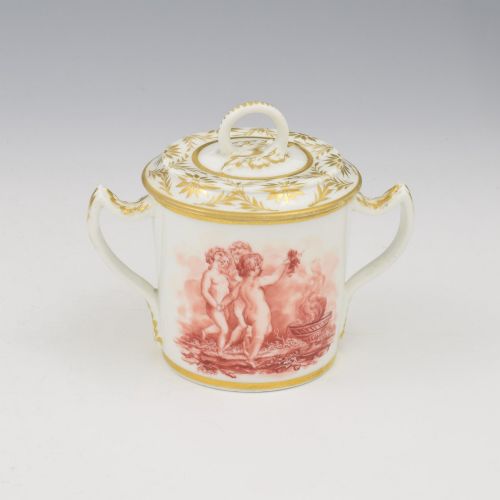
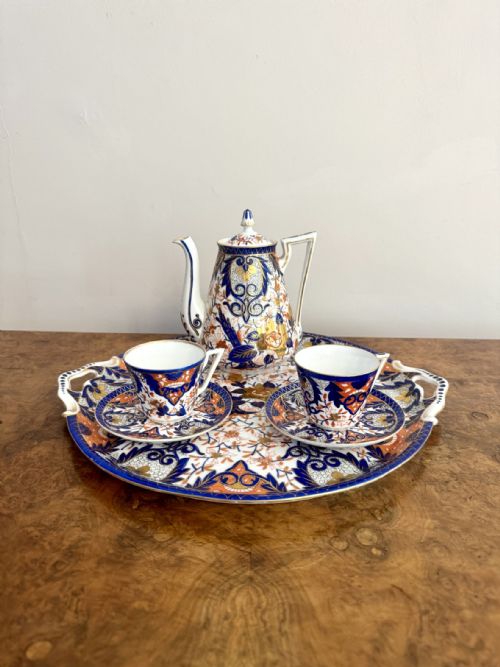
The objects span formal dining pieces like serving dishes, teacups and saucers, and tureens alongside ornamental figurines, mugs and cabinet plates. Pieces often display traditional motifs, ranging from polychrome floral sprays and armorial designs to Japanese-inspired Imari patterns and classical mythological figures.
How They Were Made
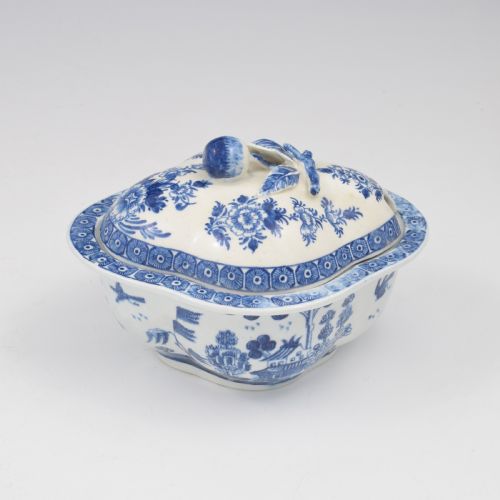
Potters shaped these ceramics using soft-paste porcelain and bone china, forming items on the wheel or pressing them into moulds for intricate figures and shaped vessels like sauce tureens and quatrefoil bowls. Early pieces frequently utilise soft-paste porcelain bodies that respond differently to heat and glaze than later bone china compositions.
Decorators applied pigments by hand, incorporating enamel painting, blue and white underglaze techniques, and sepia detailing alongside applied gold leaf and rich gilding. Many vessels and plates received meticulous brushwork from named painters before undergoing kiln firing to set the colours and metallic accents.
Derby Porcelain China Retail Price Guide 2026
Typical asking prices for derby porcelain china among the pieces listed under this phrase on Sellingantiques today, from the lower quarter to the upper quarter. They describe what is for sale here now, not the wider market.
Listings feature porcelain from the eighteenth and nineteenth centuries, including Georgian, Regency, and Victorian periods alongside Edwardian pieces.
What Varies in Quality
Manufacturing refinement also separates the output, with early soft-paste bodies and crisp moulding showing distinct characteristics compared to heavier nineteenth-century bodies. The application of gilding and gold leaf, the clarity of underglaze blue, and the preservation of delicate hand-modelled elements like petals and garments define the upper tier of the range.
Duesbury and Kean·Bloor Derby·Royal Crown Derby·Stevenson and Hancock
The Derby Porcelain China Glossary
- Imari
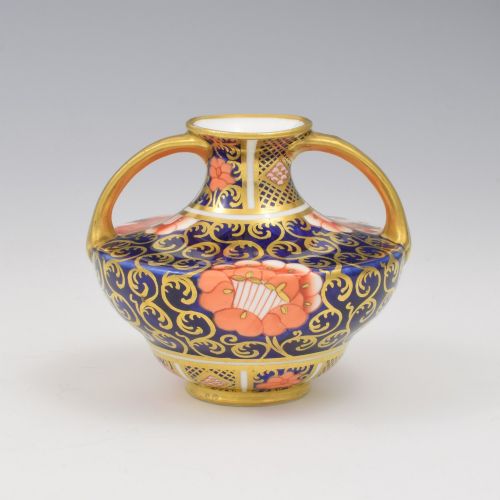
- A decorative style featuring rich cobalt blue, iron red and gilding, heavily utilised in traditional Derby patterns.
- Soft-paste porcelain
- An early ceramic composition fired at lower temperatures, producing a warm body with a distinctive glaze sheen.
- Cabinet plate
- A decorative ceramic plate intended for display in a cabinet or on a wall rather than for active dining use.
- Armorial
- A design incorporating a family coat of arms or heraldic crest, often commissioned for specific aristocratic dining services.
- Tureen
- A deep, covered serving vessel designed for holding soups or sauces at the dining table.
Derby Porcelain China: Frequently Asked Questions
How do I identify early Derby porcelain?
Early pieces often feature soft-paste porcelain bodies, handpainted polychrome or blue and white decoration, and characteristic anchor or crown marks from the eighteenth century.
Examining the weight, glaze pooling, and painting style helps distinguish these foundational pieces from later nineteenth-century revivals and reproductions.
What is Imari style Derby china?
Imari pattern pieces use a distinct palette of deep cobalt blue, rusty red, and abundant gilding inspired by Japanese exports.
These designs appear across various forms, including cabinet plates, serving trays, and bud vases spanning the Georgian to Victorian eras.
How were decorative Derby figures used?
Figurines and allegorical groups served as ornamental mantelpiece displays and table centrepieces in wealthy Georgian and Victorian homes.
They depict mythological characters, street vendors, and theatrical performers modelled with detailed handpainted polychrome garments.
Are Derby porcelain plates safe for dining?
Most antique Derby plates, particularly delicate soft-paste or gilded cabinet pieces, are intended for display and gentle collection care.
Handwashing in lukewarm water without harsh detergents preserves the fragile enamel paints and gold leaf over time.