





Derby Ceramic Statue
These derby ceramic statue pieces bring Georgian and Victorian porcelain character into the room through modelled figures and mythological groups.
Derby Ceramic Statue
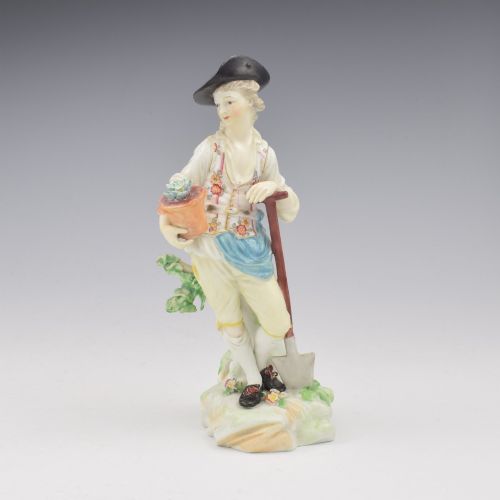
A derby ceramic statue search covers porcelain figures, statuettes and figurines originating from 18th century Georgian production up to the Victorian era. You encounter early shepherdesses, mythological subjects like Jupiter and Juno, and allegorical figures representing continents.
The pieces on this page lean heavily towards Georgian 18th century figures alongside 19th century Regency and Victorian interpretations. Common subjects range from pastoral scenes with sheep and wild boars to classical deities and theatrical characters such as James Quin as Falstaff.
Makers and periods recorded in these listings include the patch period under William Duesbury and the later Bloor period. Collectors also find Derby style figures made by Samson in Paris during the 19th century.
Materials and modelling techniques
Makers shaped these figures from soft-paste porcelain and standard porcelain before applying lead glazes. Artisans then hand painted the surfaces using polychrome enamel alongside gold leaf and gilt highlights.
Early works rely on the patch period manufacturing method, leaving characteristic kiln marks on the underside. Later Victorian and Bloor period pieces utilise richer enamel palettes and more complex modelling.
Derby Ceramic Statue Retail Price Guide 2026
Typical asking prices for derby ceramic statue among the pieces listed under this phrase on Sellingantiques today, from the lower quarter to the upper quarter. They describe what is for sale here now, not the wider market.
Watch for Father Time attempting to clip Cupid's wings in porcelain form.
Distinctions in craftsmanship and finish
Quality rests upon the crispness of the porcelain modelling and the control of the polychrome enamel painting. Finer pieces display delicate hand painted facial expressions and precise application of gilt highlights.
The depth of the glaze and the preservation of early soft-paste porcelain bodies distinguish the 18th century Georgian figures from later 19th century productions. Superior casting maintains sharp details in complex figure groups like Father Time clipping Cupids wings.
William Duesbury and Company·Samson Paris
The Derby Ceramic Statue Glossary
- Soft-paste porcelain
- A vitreous ceramic material composed of clay and glass frit, fired at lower temperatures than hard-paste. This body type defines many 18th century English figures.
- Patch period
- An early manufacturing phase associated with William Duesbury and Company, leaving distinct kiln support marks on the bases. These unglazed spots reveal the porcelain body beneath.
- Bloor period
- The era managed by Robert Bloor at the Derby works during the early 19th century. Figures from this time often show heavier gilding and vibrant polychrome enamels.
- Polychrome enamel
- Glass-based colours fused to the glazed porcelain surface during a secondary low-temperature firing. This technique creates the permanent multi-coloured details on costumes and flora.
Derby Ceramic Statue: Frequently Asked Questions
What periods do these porcelain figures span?
The listings span from the mid 18th century Georgian era through the Regency period and into the Victorian era. Pieces include early examples from the seventeen fifties alongside later nineteenth century interpretations.
Production methods shifted over these decades from early soft-paste bodies with patch marks to the richly enamelled Bloor period wares.
How can I tell an early Derby figure apart?
Early pieces from the seventeen sixties often exhibit the characteristic unglazed base marks known as patch marks from the kiln supports. They utilise soft-paste porcelain and tend to feature simpler pastoral or mythological subjects.
Later Victorian pieces and Paris copies from the late nineteenth century show different paste compositions and brighter, heavier enamel palettes.
What subjects are common in these statuettes?
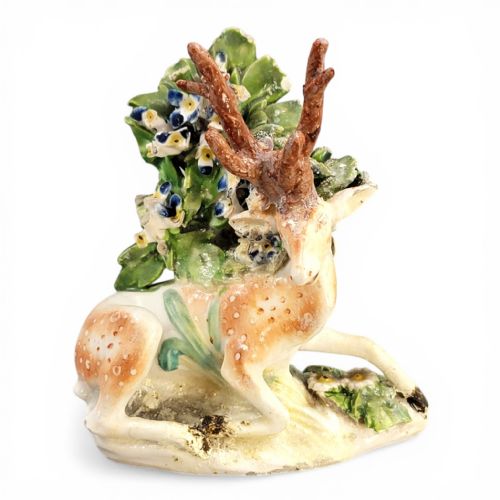
Common subjects include pastoral figures like shepherdesses with lambs, garland shepherds, and animals such as wild boars and stags. Classical deities, theatrical portraits, and allegorical figures representing the continents also appear frequently.
Mythological pairings such as Jupiter and Juno or Pluto and Cerberus demonstrate the sculptural ambition of the early workshops.
How do I display porcelain figures safely?
Place these delicate porcelain statuettes on stable, level surfaces away from heavy foot traffic and direct sunlight. Ensure shelves support the weight properly, especially for larger figure groups.
Avoid using harsh chemical cleaners; dust gently with a soft dry brush to protect the hand painted enamels and gilt highlights.