



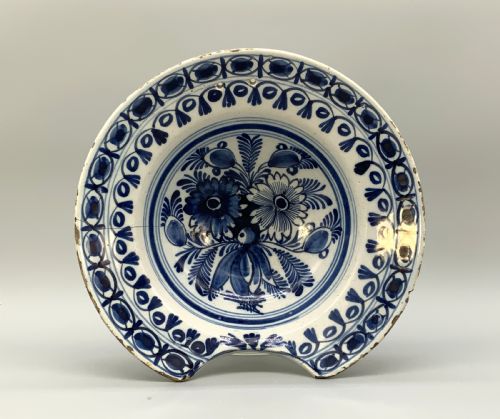


Delftware Ceramic Bowl
These delftware ceramic bowl examples bring tin-glazed earthenware into the home, offering collectors a tangible piece of historic ceramic artistry.
Delftware Ceramic Bowl
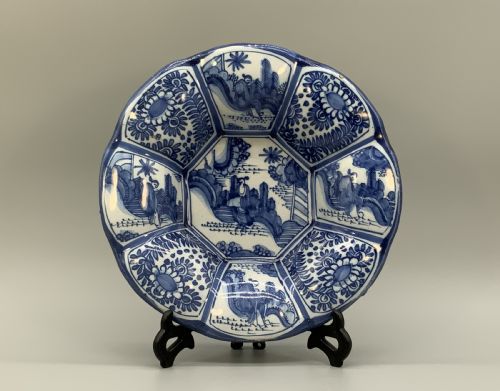
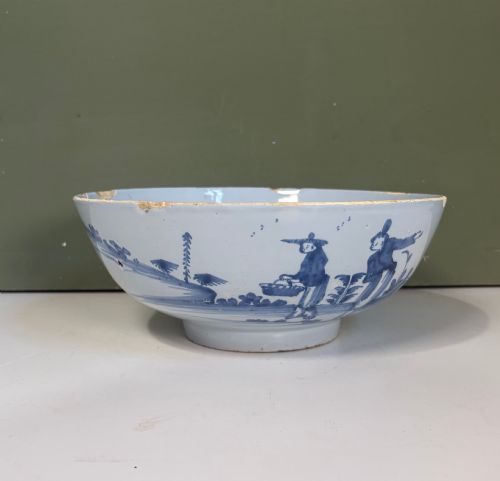
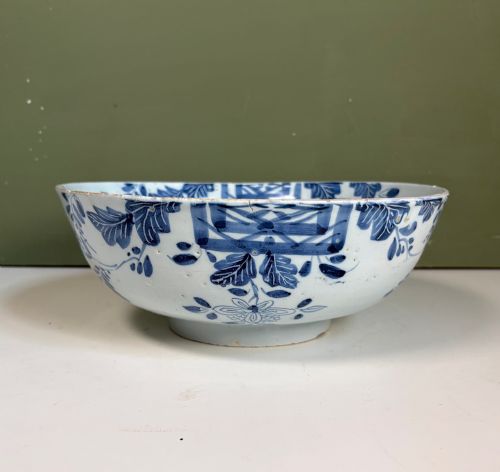
When searching for a delftware ceramic bowl, a buyer encounters tin-glazed earthenware primarily from the eighteenth century. These pieces encompass forms ranging from shallow dishes and lobed vessels to barber's bowls and large chargers.
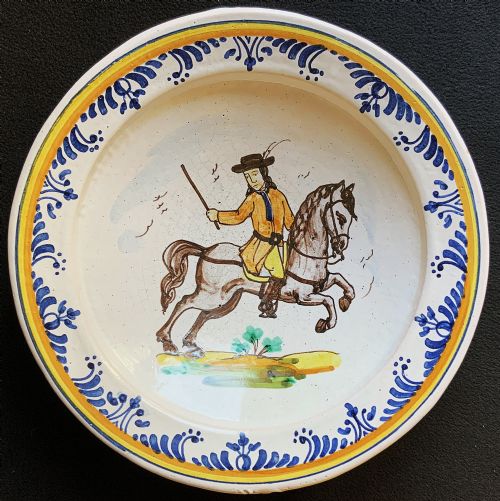
The objects seen here reflect historical centres of production in the Netherlands and Spain. Pieces often show Dutch Baroque influences or Chinoiserie motifs painted in cobalt blue.
Most examples originate from the eighteenth century, alongside occasional nineteenth-century interpretations of earlier styles. The forms serve decorative purposes while retaining their historic earthenware bodies.
How they were made
Potters formed these items using basic earthenware clay, shaping them into bowls, dishes, and chargers before the initial firing. The unglazed body provided a porous foundation for the subsequent decoration.
Makers applied a tin glaze to create an opaque white surface, which served as a canvas for pigments. Cobalt oxide and cobalt pigment were then painted directly onto the unfired glaze.
The pieces underwent high-temperature firing to fuse the metallic pigments into the tin glaze. This technique produced the characteristic blue and white palette alongside polychrome variations found in Spanish examples.
Delftware Ceramic Bowl Retail Price Guide 2026
Typical asking prices for delftware ceramic bowl among the pieces listed under this phrase on Sellingantiques today, from the lower quarter to the upper quarter. They describe what is for sale here now, not the wider market.
Current listings feature eighteenth and nineteenth-century earthenware pieces, utilising cobalt pigment and tin glaze across Dutch and Spanish styles.
What varies in quality
The refinement of the painted decoration distinguishes finer vessels from simpler utilitarian forms. Crispness in cobalt blue brushwork and detailed Chinoiserie motifs elevate the visual merit of a piece.
Control during the glazing and firing process dictates the smoothness and consistency of the tin-glaze surface. Even coverage without excessive pooling or crawling marks the work of more accomplished potteries.
Complexity of form, such as lobed rims or specialised shapes like barber's bowls, demands greater skill from the potter. Structural precision in these shaped earthenware bodies separates standard items from superior examples.
The Delftware Ceramic Bowl Glossary
- Tin-Glazed Earthenware
- Pottery coated with a glaze containing tin oxide to produce an opaque white finish. This surface forms the background for painted cobalt decoration.
- Cobalt Oxide
- A mineral pigment utilised by potters to achieve deep blue coloration under the glaze. It reacts with the tin glaze during firing to create sharp brushwork.
- Chinoiserie
- European decorative motifs inspired by Chinese art and porcelain designs. These patterns appear frequently on blue and white vessels.
- Barber's Bowl
- A specialised dish featuring a semicircular cutout designed to fit against a customer's neck during shaving. Historic examples often double as bleeding dishes.
- Charger
- A large decorative plate intended for display rather than table service. These substantial earthenware pieces showcase broad painted surfaces.
Delftware Ceramic Bowl: Frequently Asked Questions
What is a delftware ceramic bowl?
A delftware ceramic bowl is a tin-glazed earthenware vessel, predominantly originating from the eighteenth century. These items feature painted decoration, often in blue and white or polychrome palettes.
They represent historic ceramic traditions from European production centres like the Netherlands and Spain. Collectors value them for their age, hand-painted details, and traditional earthenware construction.
How were these bowls used historically?
Many of these vessels served decorative functions within domestic spaces, displayed on walls or furniture. Specialised forms like barber's bowls had practical uses in daily grooming and medical practices.
Larger chargers and shallow bowls also functioned as tableware or display pieces. Their tin-glazed surfaces were designed to withstand light use while showcasing artistic motifs.
How do I care for tin-glazed earthenware?
Careful handling is essential due to the fragile nature of historic earthenware bodies and tin glazes. Dusting with a soft, dry cloth prevents the accumulation of dirt on the decorated surfaces.
Displaying pieces away from direct sunlight and extreme humidity protects the glaze and pigment stability. Avoid washing historic bowls in dishwashers or using harsh chemical cleaners.
How do I distinguish eighteenth-century pieces?
Eighteenth-century examples exhibit characteristics typical of Dutch and Spanish earthenware production from that era. Examination of the glaze texture, pigment absorption, and potting techniques helps identify the period.
Stylistic elements such as eighteenth-century Dutch designs or Chinoiserie patterns provide further context for dating. Comparing the form and painted details against known historic types clarifies their origins.