







Deer Taxidermy Mount
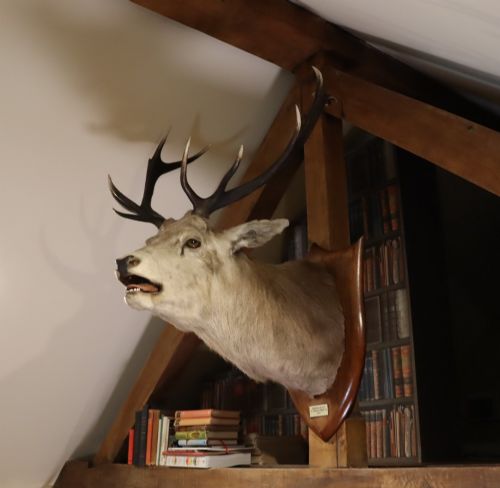
These deer taxidermy mount pieces bring the rugged presence of the Victorian hunting lodge and Black Forest interior straight into a modern room.
Deer Taxidermy Mount
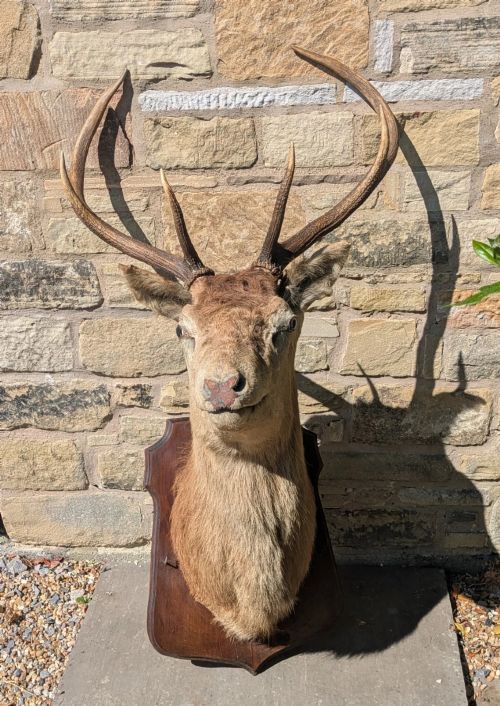
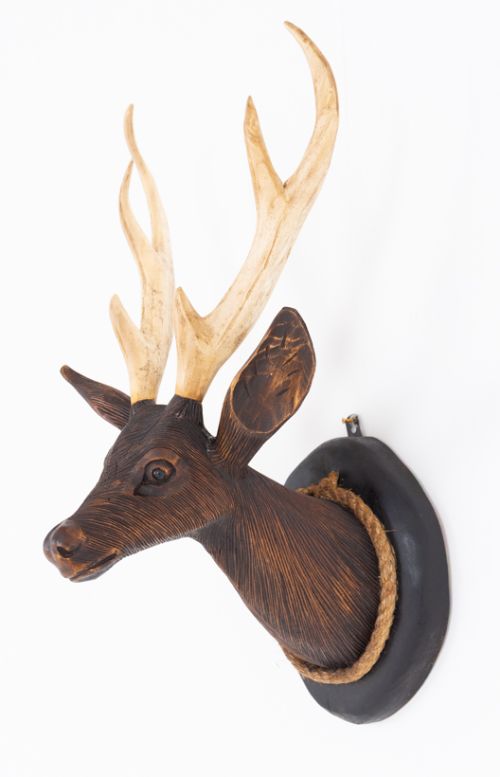
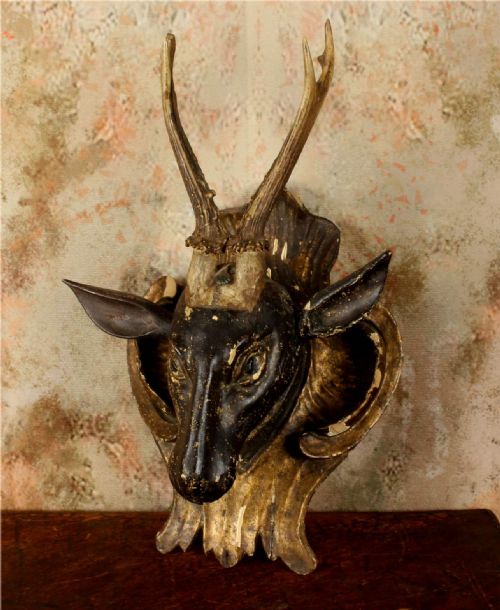
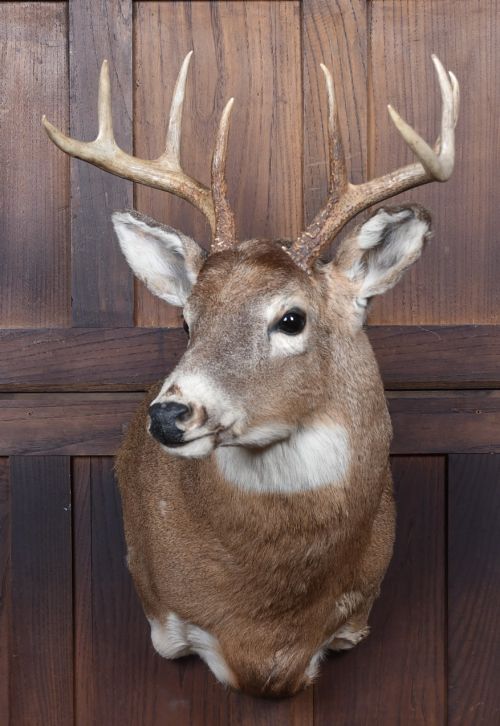
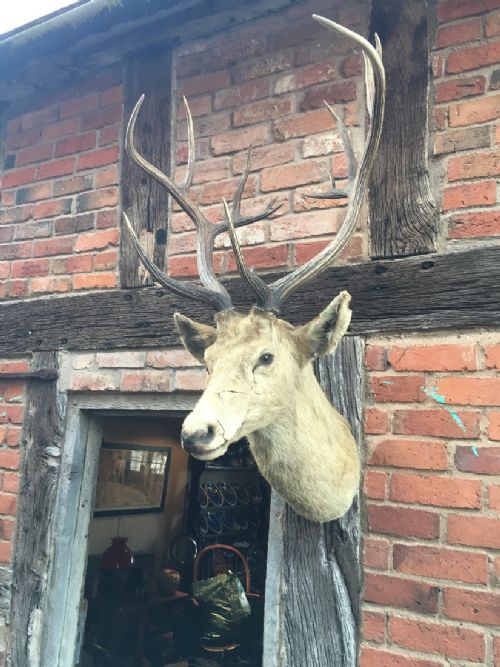
A deer taxidermy mount captures the natural grandeur of stags, roebucks, and red deer through preserved pelts, antlers, and carved wooden representations. When you browse this selection, you encounter wall sculptures, antler trophies, and functional items like coat racks and table lamps.
The pieces on this page span from the nineteenth century through the Edwardian era and into the early twentieth century. You find classic Victorian stag heads alongside continental Black Forest carvings and Swedish folk art interpretations.
How they were made
Carvers shaped solid wood to create folk art deer heads and detailed Black Forest trophies. Glass eyes provided a lifelike gaze, completing the preservation process for mounts destined for Highland lodges and domestic halls.
Deer Taxidermy Mount Retail Price Guide 2026
Typical asking prices for deer taxidermy mount among the pieces listed under this phrase on Sellingantiques today, from the lower quarter to the upper quarter. They describe what is for sale here now, not the wider market.
Listings feature periods from the nineteenth century through to the 1930s, utilising oak, glass, hide, and carved wood.
What varies in quality
The distinction between ordinary and exceptional pieces lies in the anatomical proportion and the skill of the taxidermist or wood carver. Finer specimens display realistic posture, well-conditioned hide, and impressive antler points such as royal sets.
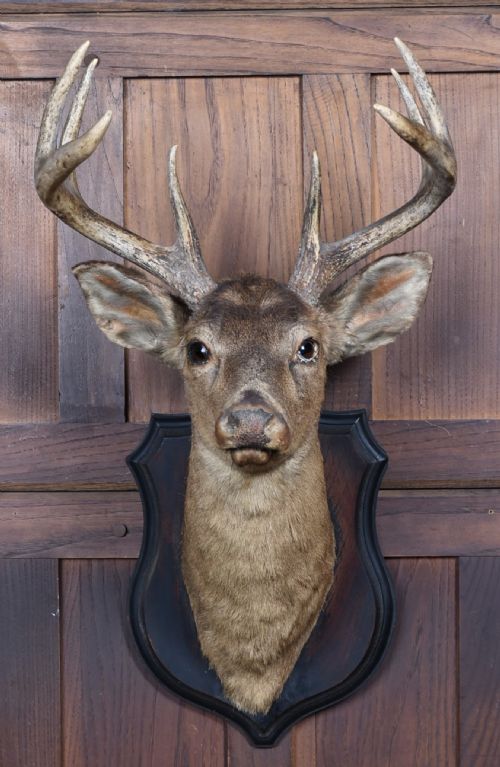
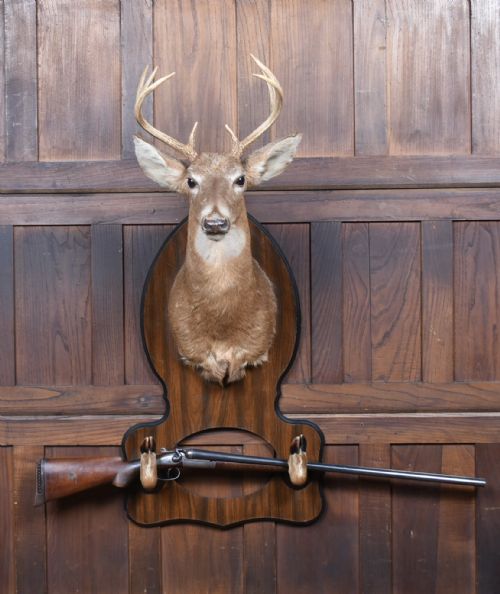
The mounting board contributes significantly to the overall merit of an item, with deeply carved oak shields and detailed folk art woodwork outperforming plain pine or later replacements. Superior preservation of the pelt and glass components ensures longevity and visual impact.
The Deer Taxidermy Mount Glossary
- Antler
- The bony growth shed and regrown annually by members of the deer family. These branches form the focal point of most trophies and wall mounts.
- Taxidermy mount
- The preserved skin and head of an animal fitted over a form and attached to a backing. They served as traditional decorations in country houses and hunting lodges.
- Black Forest style
- A distinctive genre of detailed wood carving originating in central Europe. Pieces in this style often feature deeply carved foliage and naturalistic animal forms.
- Folk art
- Items created by self-trained makers using traditional local techniques. These interpretations of deer heads and antlers prioritise rustic charm over strict anatomical precision.
- Shield mount
- A traditional wooden backing board shaped like a heraldic shield. Taxidermy heads and antlers are secured directly to these wooden supports for wall hanging.
Deer Taxidermy Mount: Frequently Asked Questions
How should I clean and maintain antique taxidermy?
Gentle dusting with a soft, dry brush or a feather duster prevents dust accumulation on the hide and antlers. Avoid using water, chemical cleaners, or damp cloths, as moisture damages historic pelts and wooden shields.
Keep mounts away from direct sunlight and strong heat sources to prevent the hide from drying out and cracking. Stable indoor temperatures preserve the condition of both the fur and the carved wood.
What is the difference between a red stag and a roebuck mount?
Red stags are substantially larger animals with wide, multi-point antlers and deep brown coats associated with Scottish Highland and Victorian trophies. They command a dominant presence on a wall due to their sheer scale.
Roebucks are a smaller deer species native to Europe and Britain, featuring compact antlers and lighter frames. Their mounts suit smaller spaces while retaining the traditional aesthetic of nineteenth-century lodges.
How do I date an antique deer mount?
Dating relies on examining the construction methods of the wooden backing shield, the style of the taxidermy, and any hardware on the reverse. Nineteenth-century pieces often feature hand-cut screws, dense oak boards, and traditional stuffing materials.
Twentieth-century examples frequently show machine-cut fixings and different preservation techniques. Comparing the style to dated pieces from the Victorian or Edwardian periods helps narrow down the decade of creation.