





Decorative Wooden Birds
These decorative wooden birds span the nineteenth and twentieth centuries, bringing carved form and avian subject matter into domestic spaces.
Decorative Wooden Birds
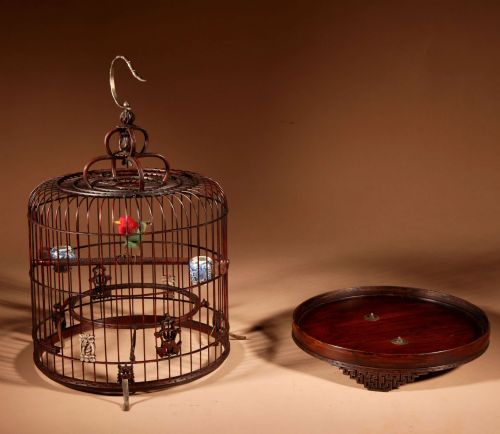
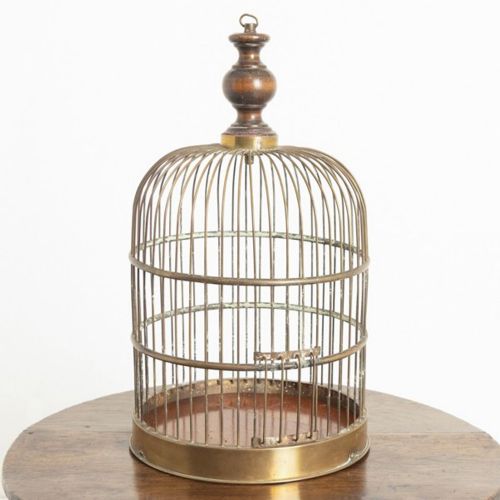
Decorative wooden birds encompass carved figures, wall panels, and functional objects incorporating avian imagery from periods such as the nineteenth century and the early twentieth century. When searching for decorative wooden birds, a buyer encounters items shaped from pine, hardwood, and rosewood, alongside related forms like bird cages and tea caddies.
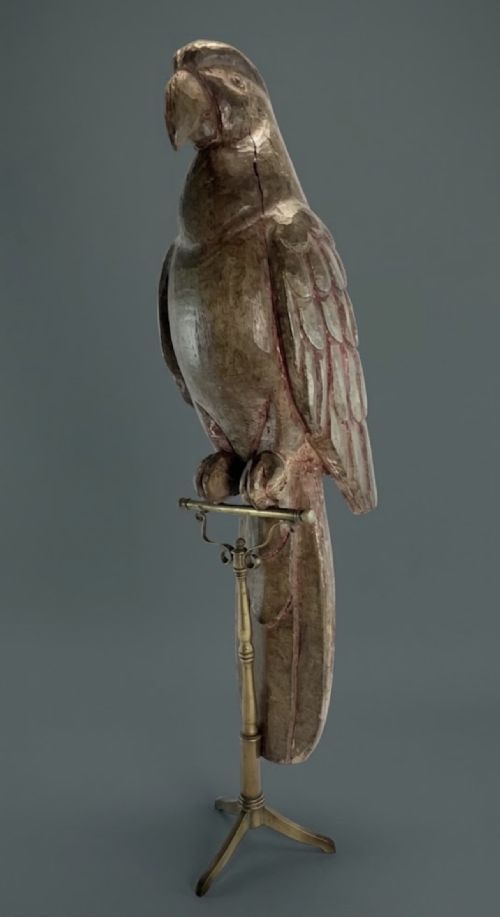
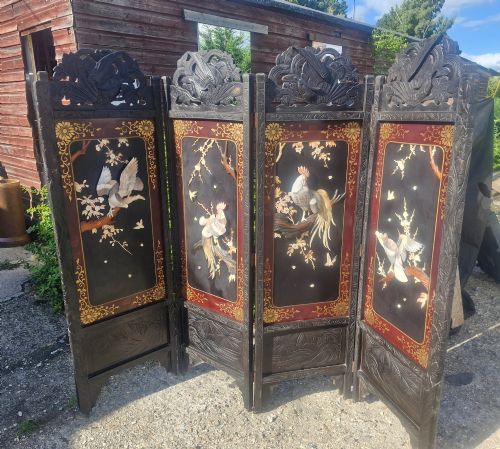
The selection ranges from French decoy ducks in a folk art style to intricately carved parrots on brass stands and eagles executed in the chinoiserie style. These pieces derive from diverse traditions, including European folk art and Asian decorative arts.
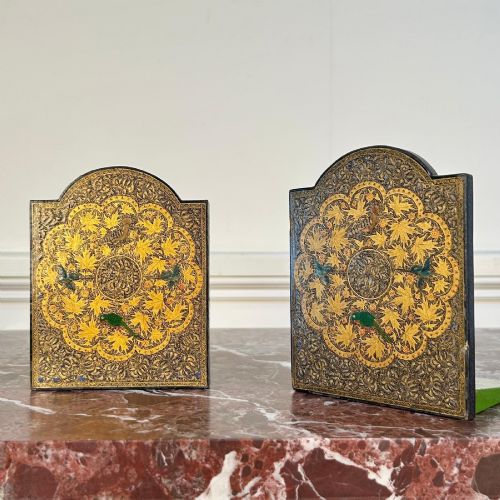
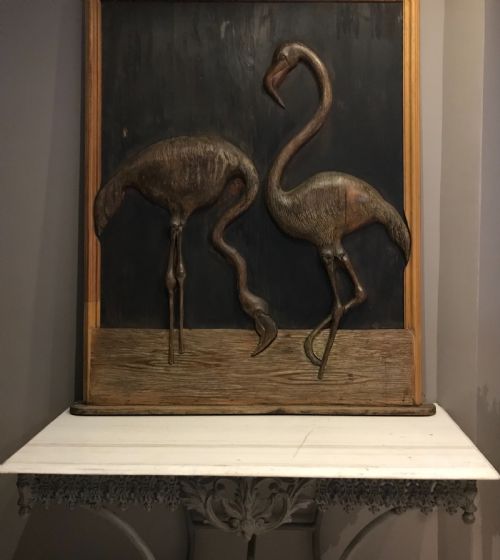
Most examples rely on the natural grain of the wood, sometimes enhanced by penwork, lacquer, or inlay, to render plumage and form. A buyer is likely to meet both freestanding sculptures and architectural elements depicting birds in branches.
What varies in quality
The standard of carving determines much of the distinction between pieces, particularly in the precision of feather rendering and the naturalism of the bird's posture. Crisp lines in carved wood and secure, flush inlay indicate superior execution by the maker.
Materials also separate the range, with dense hardwoods and carefully selected veneers such as burr maple or rosewood elevating the piece above simpler pine or rustic items. The integration of secondary materials like brass stands or mother-of-pearl adds complexity to the construction.
Decorative Wooden Birds Retail Price Guide 2026
Typical asking prices for decorative wooden birds among the pieces listed under this phrase on Sellingantiques today, from the lower quarter to the upper quarter. They describe what is for sale here now, not the wider market.
Listings feature wood alongside brass, glass, bamboo, and porcelain, reflecting diverse material combinations in nineteenth and twentieth-century decorative objects.
A.J Rowley
The Decorative Wooden Birds Glossary
- Folk Art
- Objects created by self-taught or traditional craftsmen for domestic or utilitarian use. These pieces often display regional characteristics and direct carving techniques.
- Decoy Duck
- A wooden carving traditionally used to attract waterfowl. In a decorative context, it functions as a piece of rustic sculpture.
- Inlay
- The technique of embedding pieces of contrasting material, such as mother-of-pearl, bone, or precious woods, into a wooden surface to form a pattern or image.
Decorative Wooden Birds: Frequently Asked Questions
What periods do these pieces come from?
The listings span the nineteenth century and the early twentieth century, including Victorian and Edwardian examples. Various pieces date from specific decades within this broader timeframe.
Craftsmen produced these objects across different European and Asian workshops, reflecting the prevailing styles of their respective eras.
How were wooden birds used originally?
Many served purely as decorative sculptures or wall art placed within domestic interiors. Others formed part of functional items like tea caddies, jewellery boxes, and bird cages.
Some objects, such as decoy ducks, originated as working items before transitioning into decorative roles.
How should I care for wooden bird carvings?
Keep the wood away from direct heat sources and strong sunlight to prevent drying and fading. Dust gently with a dry cloth and avoid harsh chemical polishes.
Maintain stable indoor humidity levels to protect delicate inlays and joined elements.
How do I identify different styles?
Look at the decorative motifs and carving techniques to determine the stylistic origin. Chinoiserie pieces feature Asian-inspired foliage and birds, while folk art examples display simpler, rustic execution.
Materials and inlay types also signal the cultural context and period of manufacture.