


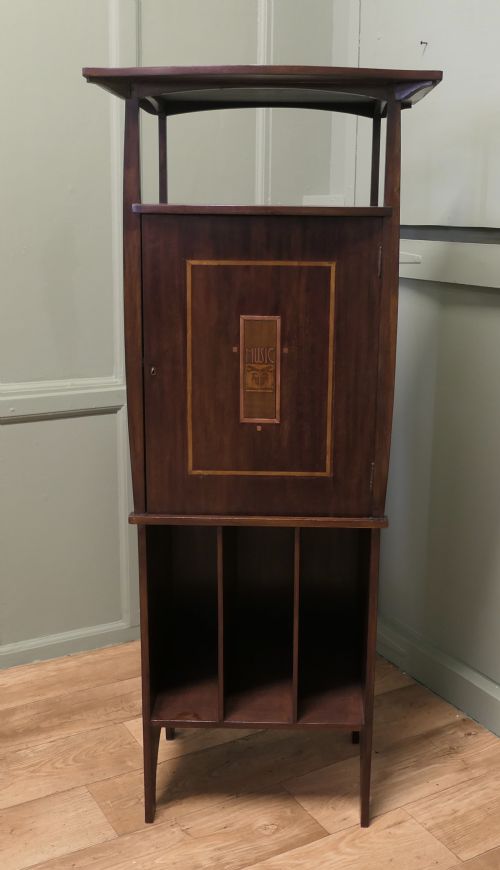

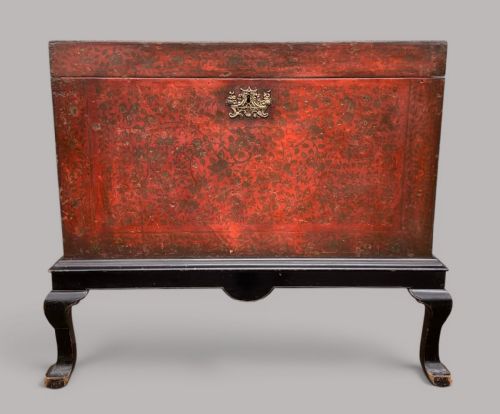
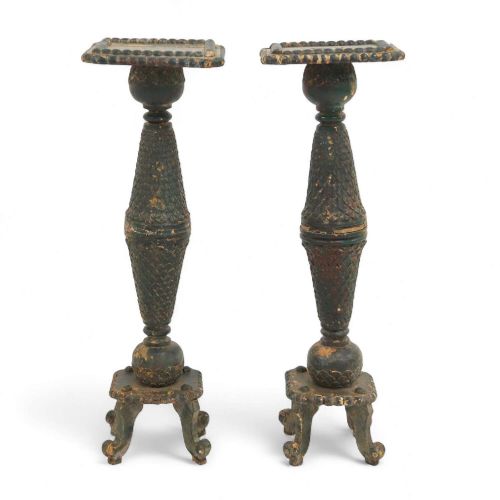
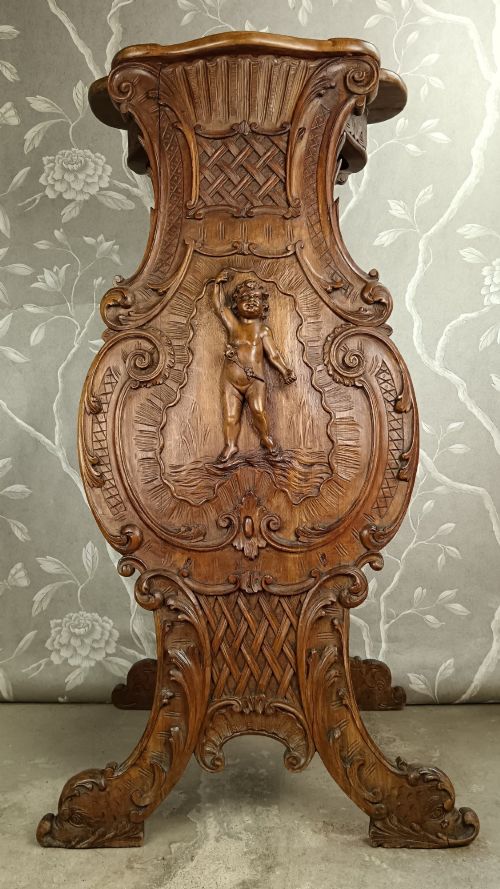
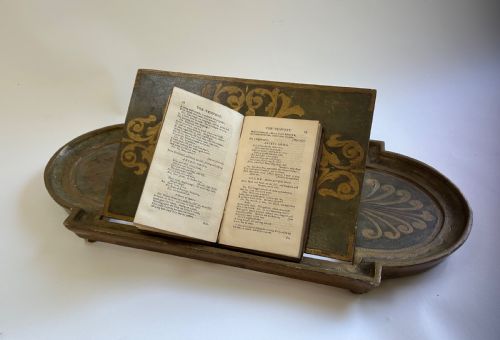


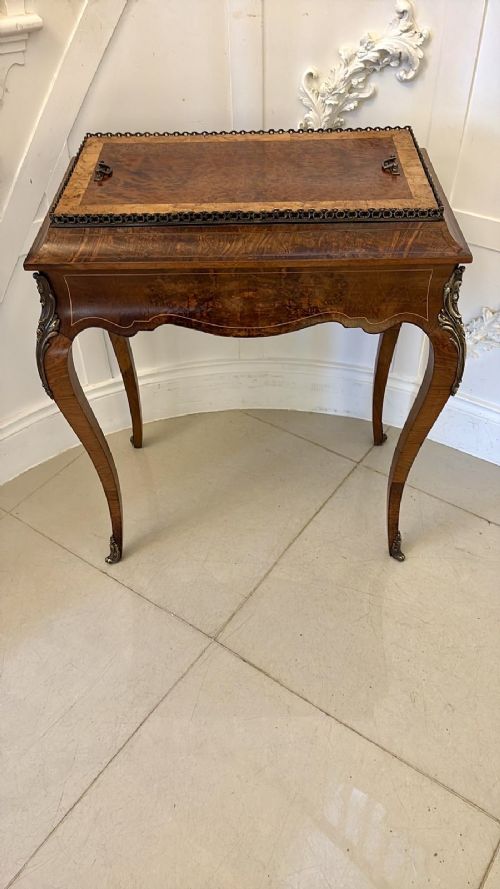
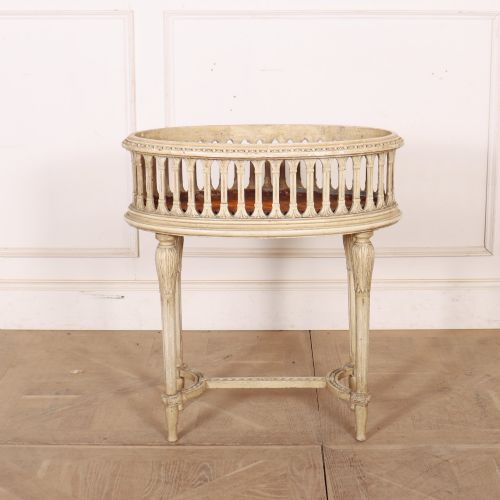
Decorative Wood Stand
These decorative wood stand pieces span pedestal columns, jardinieres and tables from the nineteenth century to the interwar years.
Decorative Wood Stand
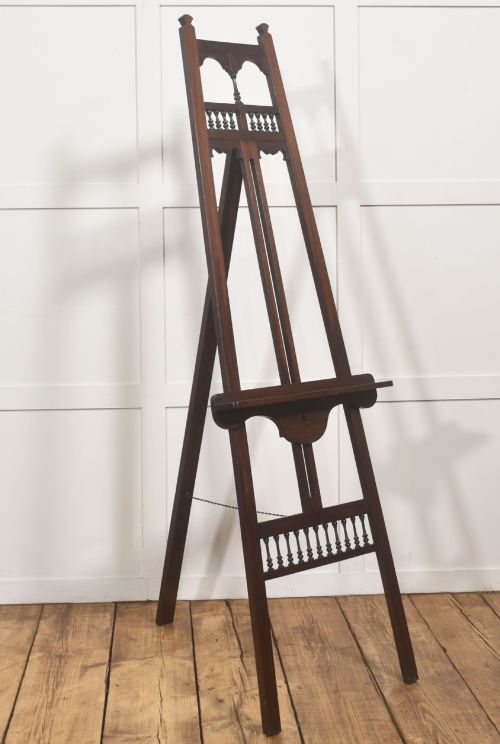
A decorative wood stand serves to elevate objects or fill corners, taking forms such as pedestals, torchieres, jardiniere tables and display columns. These pieces emerge from the nineteenth century through to the nineteen-thirties, reflecting Victorian, Edwardian and continental tastes.
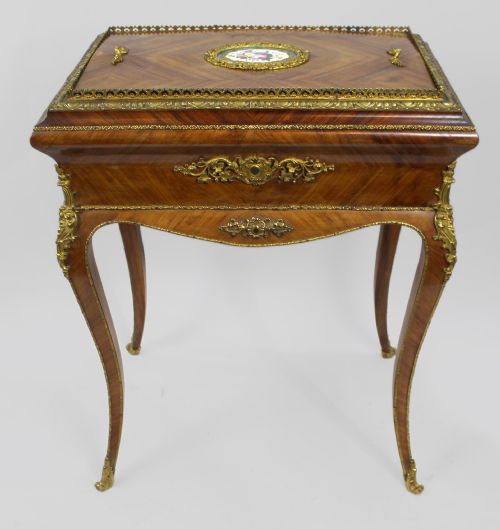
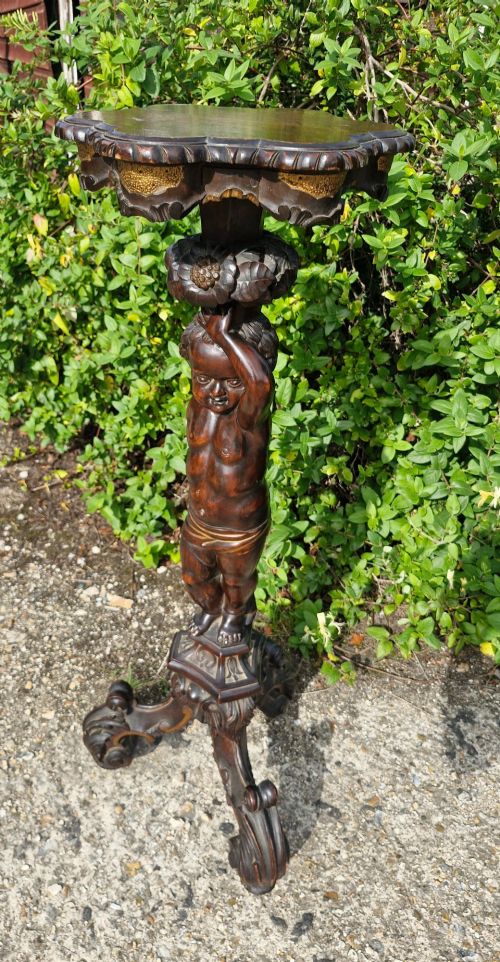
Buyers encounter items ranging from carved walnut pedestals and painted columns to inlaid satinwood planters and torcheres. The selection includes regional works from Italy, France and Britain, alongside Asian carved forms.
Many of these stands function as furniture for plants, urns or sculptures, combining utility with ornamental carving, paint or inlay. The structure often determines whether the piece supports heavy weight or acts primarily as visual display.
Materials and construction methods
Maker workshops utilised dense hardwoods including walnut, mahogany, amboyna, coromandel and satinwood, often enhanced with veneers or marquetry. Carved elements frequently relied on softer woods finished with gold leaf, paint, or polychrome decoration.
Structural integrity depended on traditional joinery combined with turned columns, fluted pilasters, or hand-carved figural supports. Surface finishes ranged from clear French polish to original green or red paint and faux marble effects.
Decorative Wood Stand Retail Price Guide 2026
Typical asking prices for decorative wood stand among the pieces listed under this phrase on Sellingantiques today, from the lower quarter to the upper quarter. They describe what is for sale here now, not the wider market.
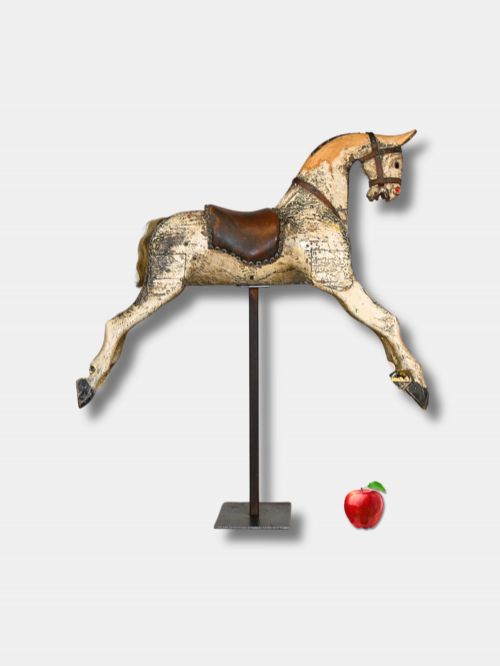
A nineteenth-century wooden rocking horse stands ready alongside the pedestals and tables.
Distinguishing quality in stands
Depth and crispness of hand-carving separate ambitious sculptural supports from standard turned columns. The quality of timber selection, such as figured walnut or amboyna, dictates the visual impact of the piece.
Originality of surface finish, whether intact gilding, period paint or patinated polish, preserves the historical integrity of the object. Precision in marquetry inlay and stability in structural joints further distinguish superior examples.
JS Henry·Edwards and Roberts·Liberty and Co
The Decorative Wood Stand Glossary
- Torchiere
- A tall stand or floor lamp designed to hold a light source or decorative object. These slender supports often feature carved wooden shafts and decorative bases.
- Jardiniere
- A decorative container or stand intended for holding plants or flowers. They frequently incorporate waterproof linings or porcelain plaques.
- Pedestal
- A support or base for a statue, urn, or column. In wood, these range from plain architectural columns to elaborately carved figural forms.
- Inlay
- A technique where pieces of contrasting timber, brass or shell are inserted into depressions in the wood base to form decorative patterns.
- Ormolu
- Gilded bronze mounts applied to furniture and wooden stands for decorative accent. This technique appears on finer Edwardian and French pieces.
Decorative Wood Stand: Frequently Asked Questions
How do I date a wooden pedestal?
Dating relies on observing the timber species, construction methods, and stylistic cues of the period. Victorian and Edwardian examples often display distinct revival styles or characteristic wood veneers.
Examining the underside, joints and surface finish helps identify the manufacturing era. Regional variations, such as Italian carving or French marquetry, also provide clues to the date.
Where should I place a torchiere?
A torchiere or tall stand fits well in corners, empty wall spaces, or flanking larger pieces of furniture. Their vertical proportion draws the eye upward without occupying significant floor area.
These stands suit studies, hallways or drawing rooms where they can display a lamp, vase or sculptural object. Their stable base allows them to support weighted items safely.
How do I care for antique wood stands?
Care involves keeping wooden stands away from direct sunlight and sudden temperature changes to protect the finish and prevent wood splitting. Regular dusting with a soft cloth maintains the surface.
Applying appropriate wax polish occasionally helps preserve polished timber finishes. Painted or gilded surfaces require gentle cleaning without harsh chemicals.