





Decorative Wood Furniture
Decorative wood furniture brings together centuries of craft, from Victorian rosewood to Arts and Crafts mahogany, offering both utility and distinct historical character.
Decorative Wood Furniture
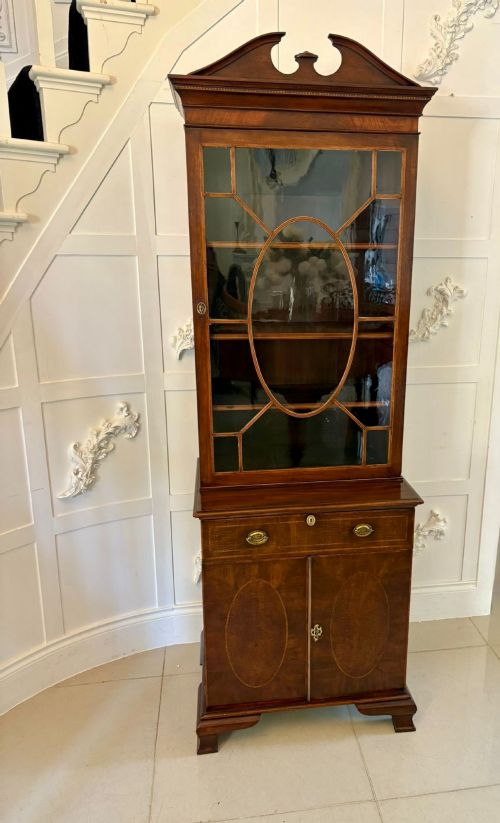
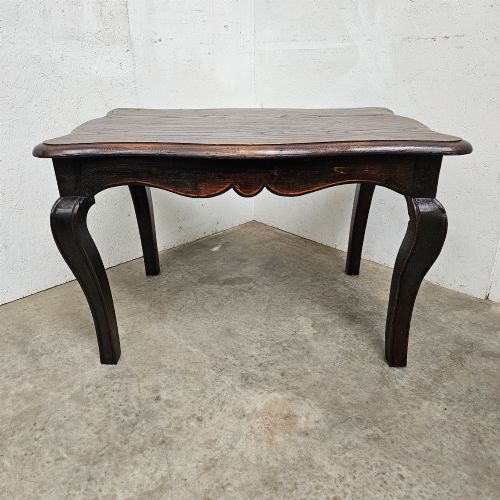
Decorative wood furniture encompasses a broad spectrum of functional objects and furnishings designed with notable artistic ornamentation, spanning from the seventeenth century through to the early twentieth century. When exploring decorative wood furniture, buyers encounter forms ranging from side tables and wall shelves to display cabinets and pedestal desks.
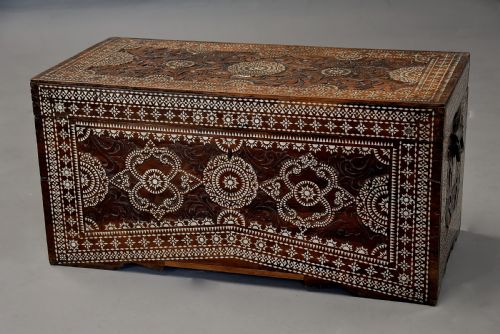
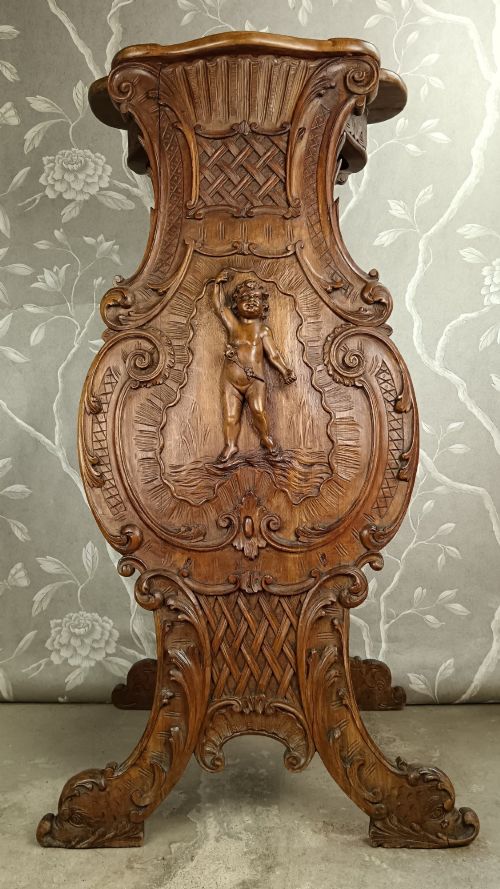
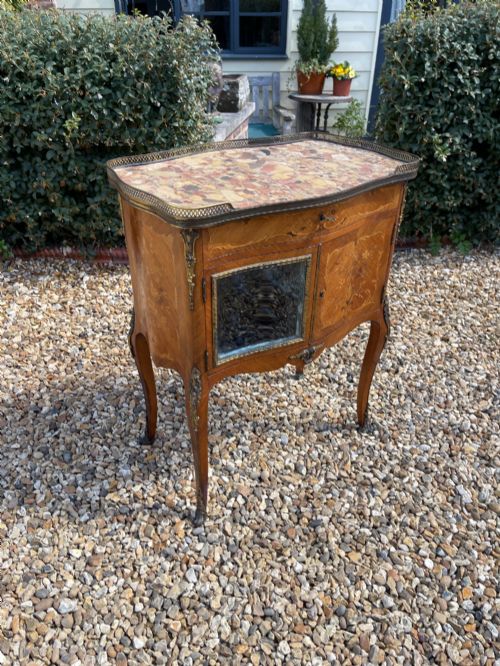
The selections on this page draw heavily from Victorian and nineteenth-century periods, alongside specific regional expressions such as Anglo-Indian, French Rococo Revival, and Arts and Crafts pieces. Common materials include mahogany, rosewood, walnut, and oak, often enhanced with intricate inlays, paint, or gilded finishes.
Materials and construction methods
Makers of decorative wood furniture relied on dense timbers like mahogany, rosewood, and walnut, frequently pairing them with contrasting secondary woods and decorative veneers. Surface ornamentation often involved hand-carving, inlay work utilising mother-of-pearl, ivory, or satinwood, and hand-painted or polychromed finishes.
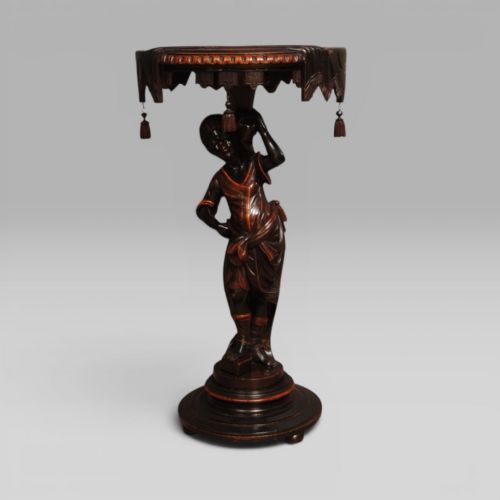
Structural integrity relied on traditional joinery techniques suited to each form, whether building a sturdy bookcase, a delicate etagere tray table, or a carved pedestal stand. Metal elements such as brass mounts, copper panels, and glass inserts were integrated to complement the primary wooden structures.
Decorative Wood Furniture Retail Price Guide 2026
Typical asking prices for decorative wood furniture among the pieces listed under this phrase on Sellingantiques today, from the lower quarter to the upper quarter. They describe what is for sale here now, not the wider market.
Listings feature items spanning the 17th, 18th, 19th, and early 20th centuries, executed in mahogany, rosewood, walnut, and oak.
Assessing quality and execution
Quality in decorative wood furniture rests upon the precision of the carving, the integrity of the timber selection, and the refinement of any decorative inlays. Superior examples display crisp detail in hand-carved elements and thoughtful balance in proportions, whereas lesser pieces show mechanical repetition or crude assembly.
The relationship between the maker's hand and the finished form dictates distinction, seen clearly in pieces featuring specialist techniques like Japanese Shodona joinery, detailed Chinoiserie lacquer work, or bespoke brass and Wedgwood plaque insertions.
GM Elwood for JS Henry·Jackson and Graham·Shapland and Petter
The Decorative Wood Furniture Glossary
- Inlay
- A technique where pieces of contrasting material such as wood, ivory, or mother-of-pearl are inserted into a recessed wooden surface to form a decorative pattern. This method adds visual depth and colour variation to the primary timber.
- Etagere
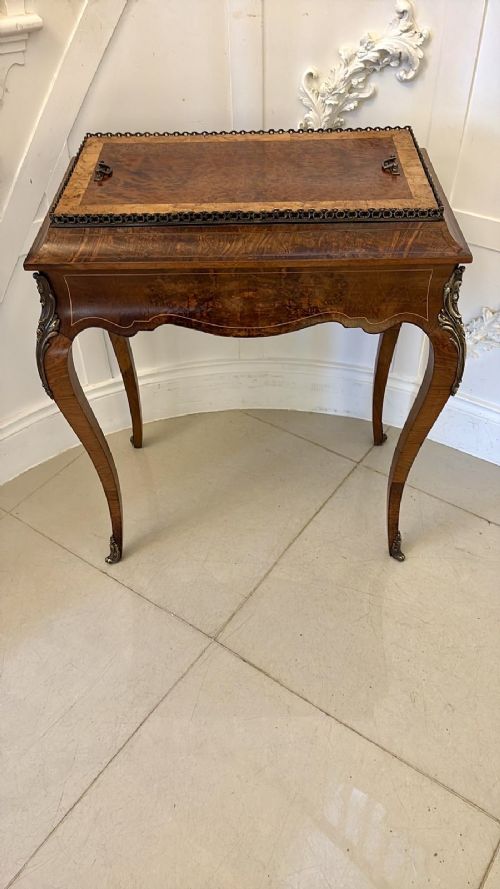
- A piece of furniture consisting of a set of open shelves for displaying small objects or ornaments. These tiered tables were particularly popular in the nineteenth century for domestic display.
- Pedestal Desk
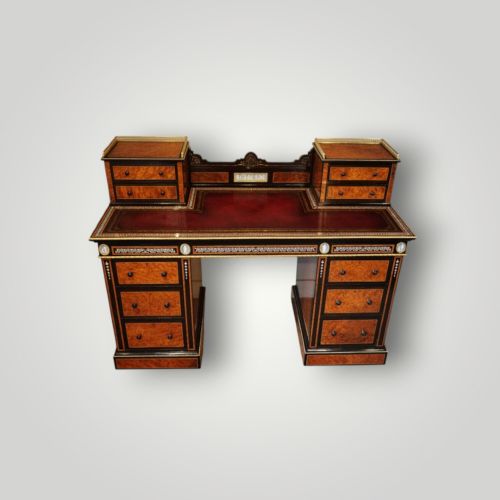
- A large freestanding writing table supported by two pedestals containing drawers or cupboards. Finer examples incorporate leather writing surfaces and intricate marquetry.
- Polychrome
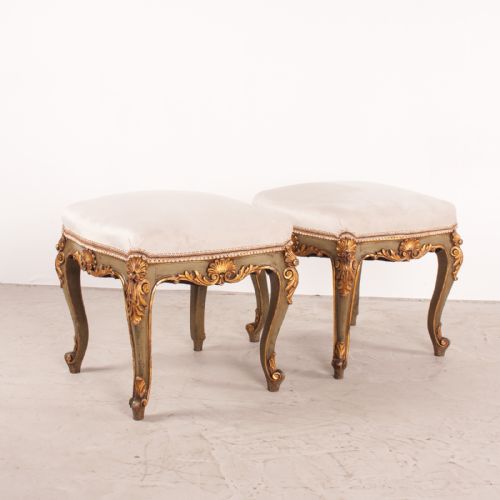
- The practice of decorating architectural elements or furniture in a variety of colours. This technique appears on Continental stands and occasional tables to create vibrant surface patterns.
Decorative Wood Furniture: Frequently Asked Questions
How do I identify Victorian pieces?
Victorian decorative wood furniture spans the mid to late nineteenth century, often identifiable through dense timbers like walnut and rosewood, heavy carving, and revivalist influences. Makers frequently utilised advanced industrial techniques alongside traditional handcrafting.
Look for specific clues such as registration marks, specific hardware styles, and the integration of contrasting inlays or ceramic plaques which became popular during this reign.
Where were these pieces used?
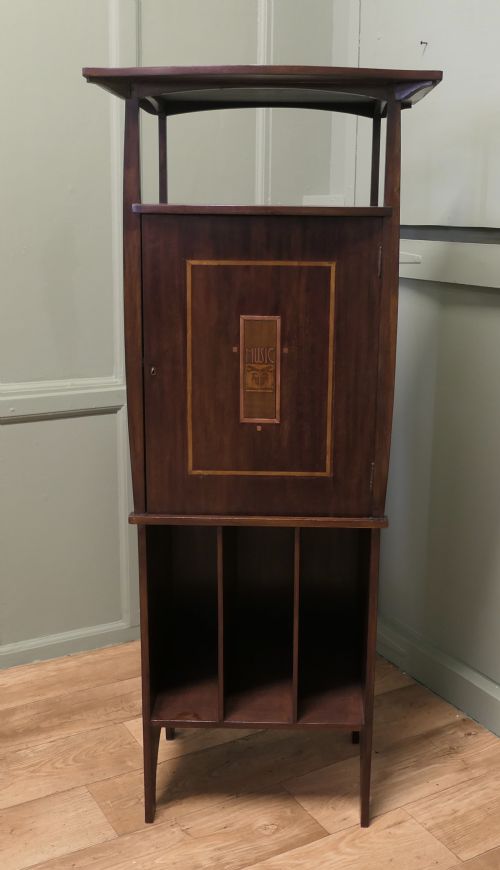
These furnishings were designed for the principal rooms of middle and upper-class homes, including drawing rooms, libraries, and hallways. Items like side tables, music cabinets, and wall shelves served specific domestic functions while displaying the owner's taste.
Larger items such as breakfront chiffoniers and display cabinets provided storage for porcelain and books, acting as both utility and status symbols.
How do I care for antique wood?
Maintaining decorative wood furniture requires stable environmental conditions away from direct sunlight and rapid temperature fluctuations. Regular dusting with a soft, dry cloth prevents the accumulation of particulate matter that can scratch delicate finishes.
Avoid commercial silicone polishes, opting instead for traditional microcrystalline wax applied sparingly to nourish the timber and protect historic surfaces.
What is Arts and Crafts furniture?
Arts and Crafts furniture emerged as a reaction against mass production, emphasising honest construction, visible joinery, and the integrity of natural materials. Pieces from this movement often feature plain oak or mahogany paired with hand-beaten copper or iron hardware.
Designers associated with this style prioritised functional simplicity and craftsmanship over excessive surface ornamentation, resulting in robust and utilitarian forms.