





Decorative Wood Cupboard
These decorative wood cupboard examples span centuries of cabinet-making, offering practical storage finished with distinctive period details.
Decorative Wood Cupboard
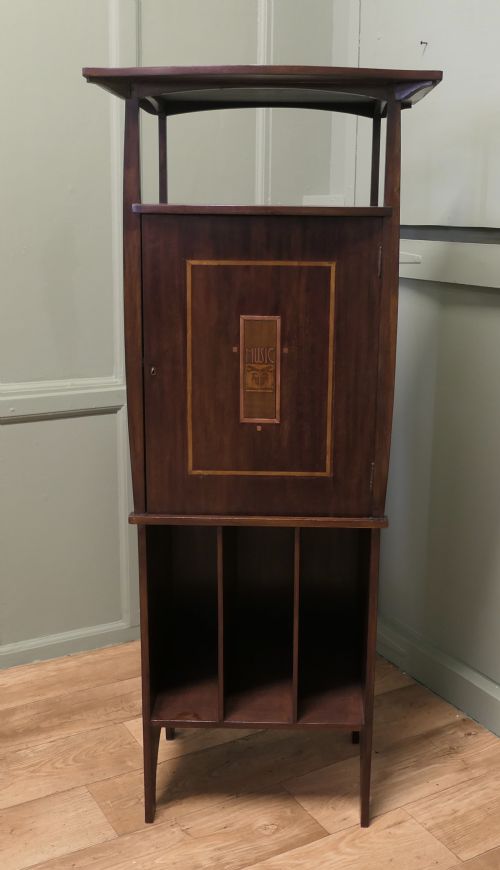
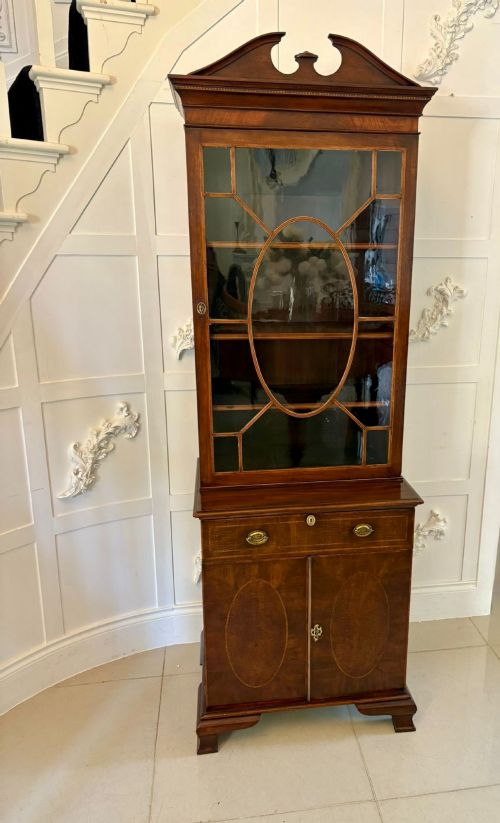
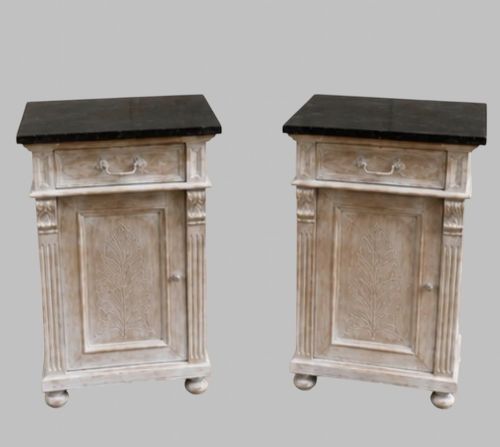
A decorative wood cupboard encompasses various forms such as display cabinets, side cabinets, music cabinets, cocktail cabinets, and bedside cabinets. These pieces serve functional storage purposes while introducing specific historical styles into a room.
The selections range from the eighteenth century through the nineteenth century and into the early twentieth century. Examples include pieces influenced by the Arts and Crafts movement, French Provincial design, and revival styles.
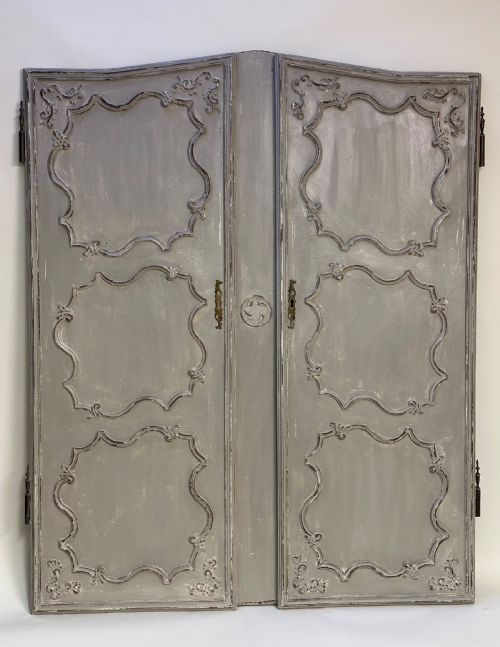
Buyers will encounter items fashioned as corner cupboards, bookcases, armoires, and smaller bedside units. Each variation reflects the prevailing aesthetic of its production period, from plain wood surfaces to polychrome painted finishes.
Materials and construction methods
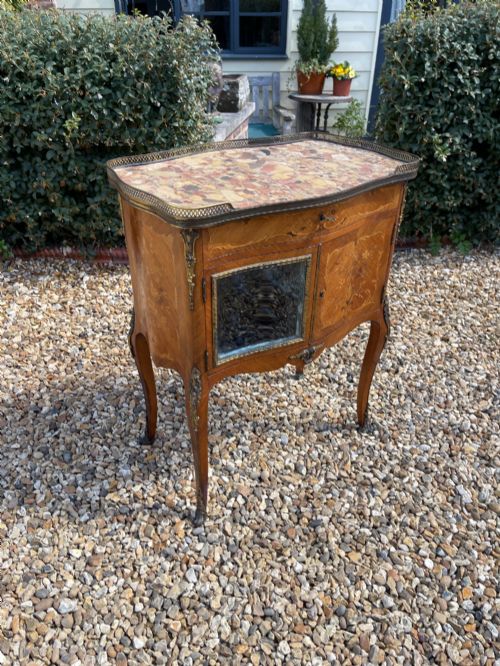
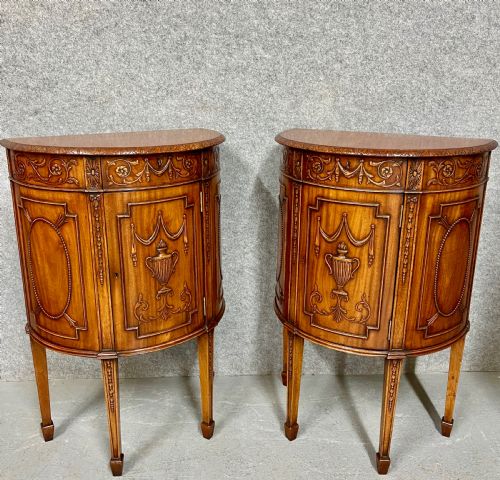
Cabinet makers utilised a variety of timbers including mahogany, walnut, burr walnut, thuya wood, and amboyna. These woods provided durable structures while presenting rich grain patterns suitable for polishing or inlay work.
Metal elements such as brass, iron, and copper appear frequently as handles, hinges, inlays, or structural accents. Glass panels are incorporated into doors for display cabinets, allowing visibility of the interior shelving.
Decorative Wood Cupboard Retail Price Guide 2026
Typical asking prices for decorative wood cupboard among the pieces listed under this phrase on Sellingantiques today, from the lower quarter to the upper quarter. They describe what is for sale here now, not the wider market.
Pipe racks and cocktail compartments reveal past domestic habits tucked inside these traditional wooden storage cabinets.
Differentiating quality across pieces
Quality manifests in the selection of timber veneers, such as burr walnut or mahogany, and the precision of inlaid details. Superior examples exhibit careful matching of wood grains and robust joinery that withstands regular use.
Decorative treatments, including hand-painting, polychrome finishes, and carved wooden elements, show varying degrees of artistic execution. Pieces produced by known makers or specific design movements often display greater refinement in their execution.
GM Elwood for JS Henry·Gordovil Spain·Edwards and Roberts·Shapland and Petter·Melissa White
The Decorative Wood Cupboard Glossary
- Burr walnut
- A timber sourced from the wart-like growths on walnut trees, yielding highly figured and swirling grain patterns prized for cabinet facades.
- Arts and Crafts
- A design movement valuing traditional craftsmanship, simple forms, and often incorporating metal accents like copper hinges.
- Serpentine display cabinet
- A cabinet featuring a wavy, undulating front contour with glass panels, designed for exhibiting decorative objects.
- Polychrome painted
- A surface decoration utilising multiple colours to create pictorial or ornamental scenes directly onto the wood.
Decorative Wood Cupboard: Frequently Asked Questions
What is a decorative wood cupboard?
A decorative wood cupboard is a storage piece that combines functional interior space with artistic exterior detailing, such as inlays, carved doors, or painted finishes.
These items range from small bedside cabinets to large display units and armoires, originating from various historical periods and design traditions.
How do I date a wooden cabinet?
Dating relies on examining the timber species, construction techniques, hardware, and stylistic indicators present in the design.
Periods like the eighteenth century, nineteenth century, and early twentieth century each utilise specific manufacturing methods and decorative motifs that help establish an approximate age.
Where should I place a side cabinet?
Side cabinets suit hallways, living rooms, and bedrooms where surface space and enclosed storage are both required.
Placing them against a neutral wall allows the wood grain, painted finish, or decorative glass to serve as a visual focal point in the room.
How do I care for antique wood?
Maintaining antique wood involves keeping pieces away from direct sunlight and fluctuating heat sources to prevent timber splitting.
Regular dusting with a dry cloth and occasional appropriate polishing helps preserve the finish and condition of the wood surfaces.