


Decorative Wall Hand
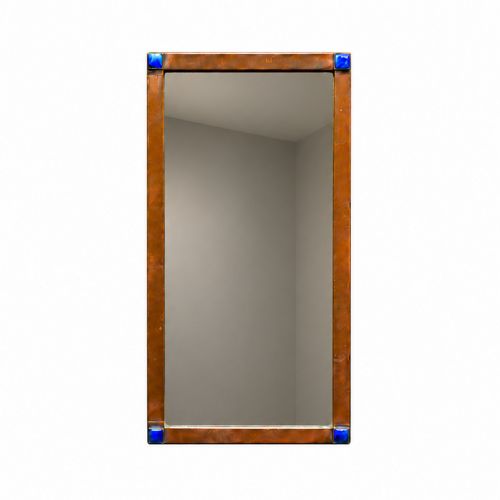
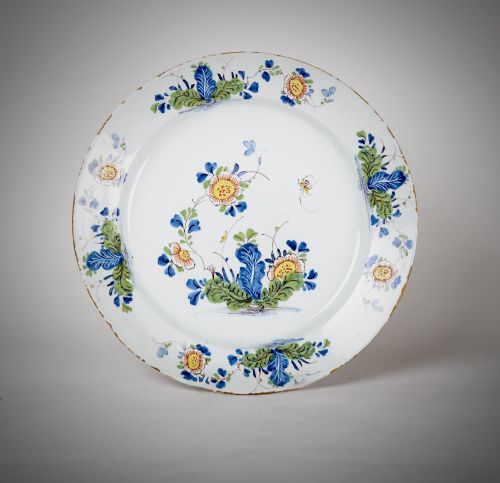
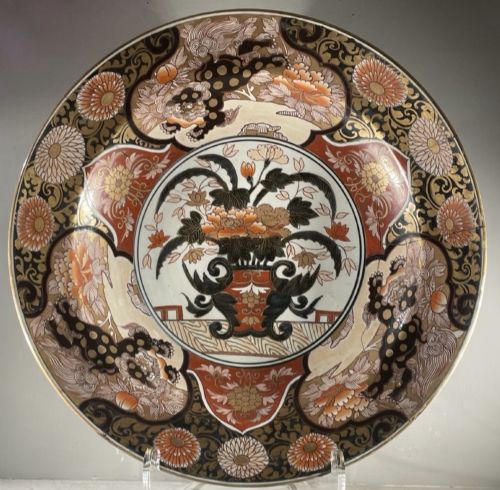
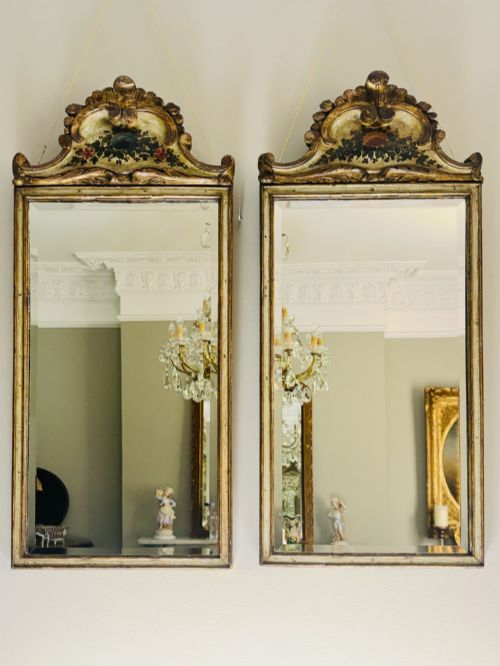
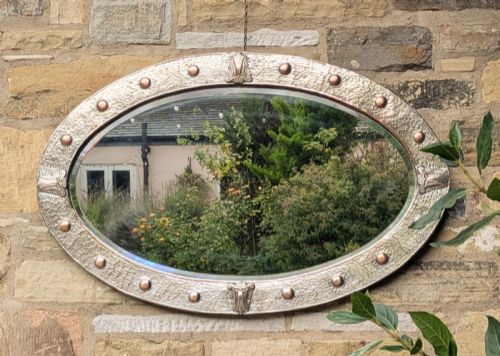
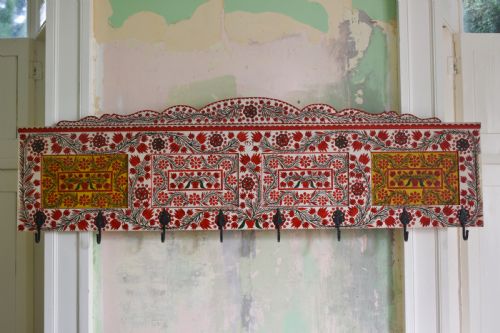
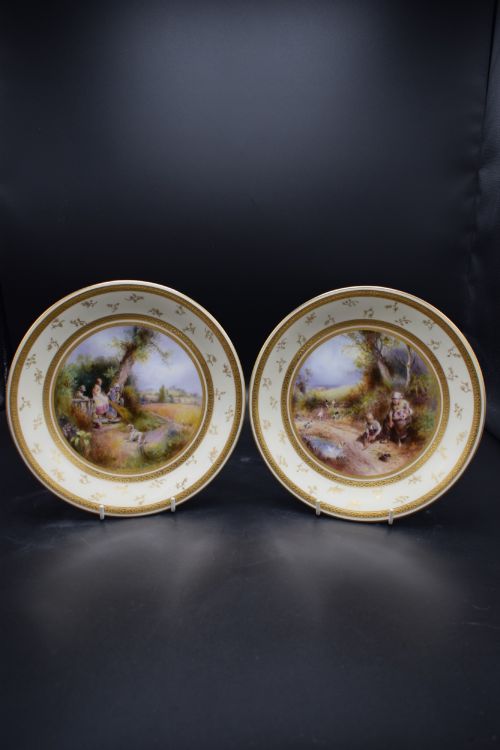
These decorative wall hand selections bring together centuries of plates, mirrors, and carved panels designed to hang directly on domestic walls.
Decorative Wall Hand
A decorative wall hand search typically uncovers items made to adorn vertical surfaces, drawing principally from decorative plates, chargers, wall mirrors, and carved wooden panels. You are most likely to meet pieces originating from the eighteenth and nineteenth centuries, alongside Edwardian and early twentieth-century examples.
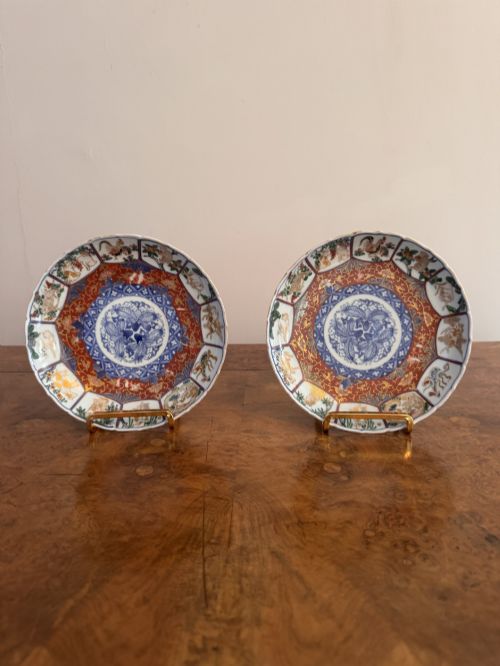
The selection spans ceramic dishes finished in Japanese Imari, Dutch Delft, and Chinese porcelain, paired with carved oak panels and painted mirrors. These objects bridge the gap between functional household items and pure wall ornamentation.
Materials and construction
Makers utilised porcelain, earthenware, and copper alongside timber for carved reliefs and mirror frames, often applying paint, glaze, enamel, or gold leaf to finish the surface. Metalwork relies on techniques such as engraving and repousse work, while ceramic chargers display hand-painted pigments beneath transparent glazes.
Wooden panels and mirror surrounds show detailed hand-carving in oak and other timbers. The integration of mirror glass within carved or painted frames demonstrates a blend of carpentry and decorative finishing.
Decorative Wall Hand Retail Price Guide 2026
Typical asking prices for decorative wall hand among the pieces listed under this phrase on Sellingantiques today, from the lower quarter to the upper quarter. They describe what is for sale here now, not the wider market.
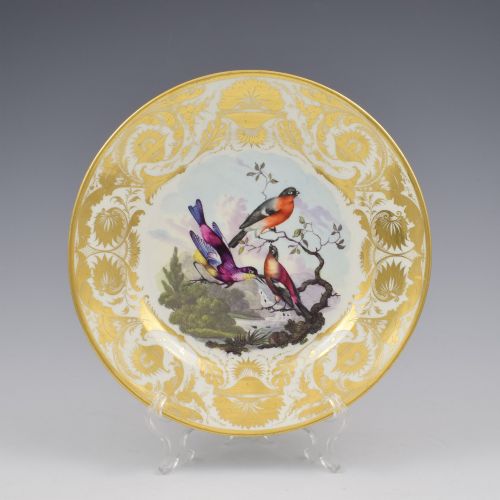
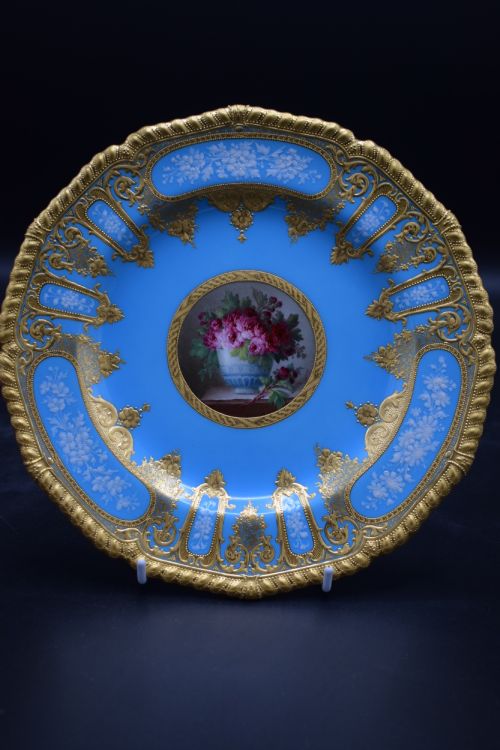
Dragons crouch in carved oak while painted portraits of historical figures gaze steadily from porcelain plates across the centuries.
Judging quality in wall pieces
Quality rests upon the precision of the hand-painting, the crispness of carved details in wood or metal, and the preservation of original glazes and gilding. Pieces decorated by named artists or produced by distinguished potteries exhibit superior brushwork and compositional balance.
The depth of repousse work on metal chargers and the complexity of the motifs on porcelain plates separate standard production items from masterworks. Original glass in antique mirrors and intact polychrome pigments further elevate a piece.
John Davenport of Longport·Royal Crown Derby·Royal Worcester
The Decorative Wall Hand Glossary
- Charger
- A large decorative plate intended for display on a wall or sideboard rather than for dining use. These often feature elaborate painted scenes or patterns.
- Repousse
- A metalworking technique where the metal is hammered from the reverse side to form a raised design in relief on the front. This adds tactile depth to copper and mixed metal trays.
- Polychrome
- Decorated in multiple colours. The term frequently applies to painted ceramics and wooden panels exhibiting a diverse palette.
- Faience
- European tin-glazed earthenware, similar to Delftware. It provides an opaque white background for painted blue and polychrome designs.
Decorative Wall Hand: Frequently Asked Questions
How do I hang antique plates safely?
Plates require properly sized spring-clip hangers that distribute weight evenly across the rim without causing stress to the ceramic body. Ensure the wall fixing secures firmly into solid masonry or a stud.
Position the display at eye level away from direct sunlight and areas of high humidity to protect the glaze and painted surface over time.
Were chargers meant for dining?
Large chargers served primarily as ceremonial or decorative pieces during earlier centuries, displayed on sideboards or hung upon walls to demonstrate status and wealth. Their generous diameters made functional dining use impractical.
Over time, many found a permanent home as wall decoration, utilising pre-drilled foot rings or added hanging wire.
How do I identify Delftware?
Delftware typically presents a tin-glazed earthenware body with a characteristic white surface painted in blue or polychrome pigments. Look for minor glaze imperfections and reddish earthenware visible where the glaze has chipped.
Eighteenth-century examples often display subtle crazing and hand-painted motifs influenced by Asian porcelain imports of the period.
Can antique mirrors be cleaned safely?
Clean mirror glass using a soft microfiber cloth and a mild, ammonia-free glass cleaner applied to the cloth rather than directly onto the glass. This prevents moisture seeping behind the silvering.
Take care near the edges of antique mirror plates where the original backing is fragile and susceptible to flaking or darkening.