





Decorative Wall Columns
These decorative wall columns and related mirror frames bring classical architecture and rich historical textures into modern rooms.
Decorative Wall Columns
Buyers seeking decorative wall columns encounter architectural salvage, carved pilasters, and mirror frames incorporating classical column motifs from the eighteenth and nineteenth centuries. These pieces bridge the gap between structural elements and decorative wall art, serving as focal points in period rooms.
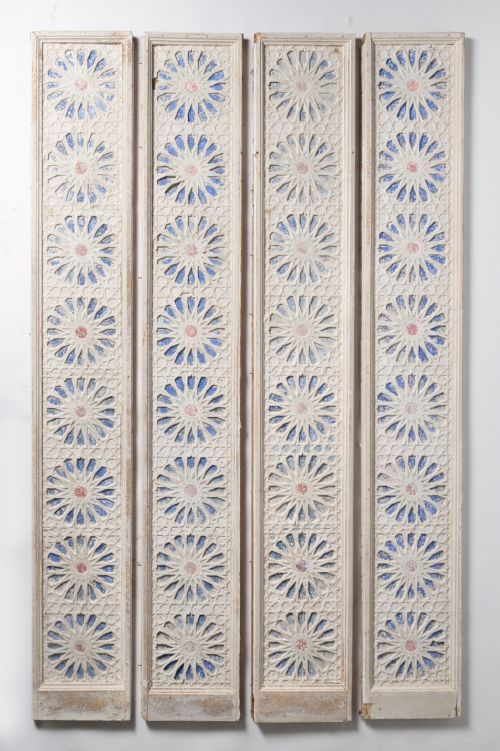
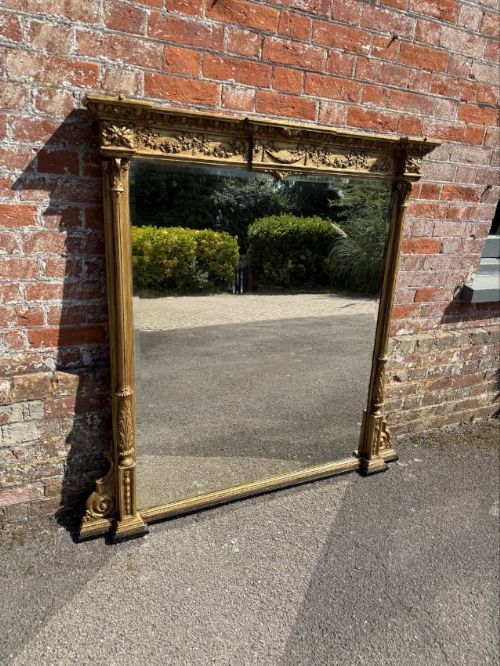
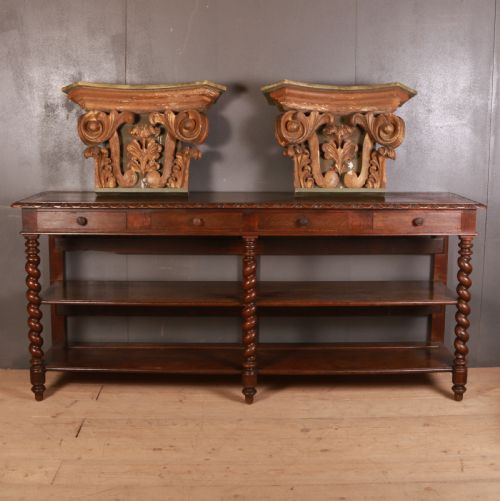
The selection on this page leans heavily toward nineteenth-century pier mirrors and overmantels framed by carved wooden columns, gesso mouldings, and gilded pilasters. Alongside these, traditional Indian carvings and Italian capitals appear, offering varied interpretations of architectural form.
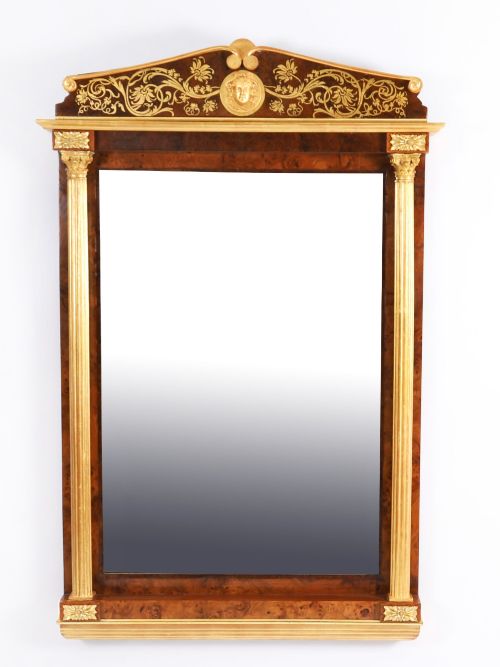
Originating across English, French, Italian, and Indian traditions, these items reflect diverse stylistic revivals. From Regency water-gilded pier glasses to Edwardian freestanding mirrors, each piece demonstrates how historical architecture was adapted for domestic interiors.
Materials and construction
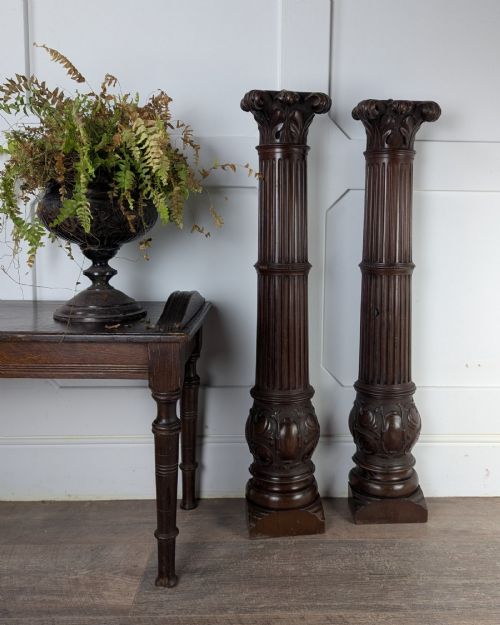
Makers utilised dense timbers such as mahogany, burr walnut, oak, and stained hardwood as the structural foundation for these architectural pieces. Skilled carvers shaped these woods into reeded half columns, Corinthian capitals, and intricate acanthus leaf friezes.
Surface decoration frequently involved layers of gesso applied over wood, finished with gold leaf or parcel gilt highlights to catch the light. Mirror forms integrated silvered glass, verre églomisé panels, and multi-plate configurations set securely within the wooden frames.
Decorative Wall Columns Retail Price Guide 2026
Typical asking prices for decorative wall columns among the pieces listed under this phrase on Sellingantiques today, from the lower quarter to the upper quarter. They describe what is for sale here now, not the wider market.
Listings span the eighteenth, nineteenth, and early twentieth centuries, featuring materials from burr walnut and mahogany to gesso and verre églomisé.
Assessing quality in architectural woodwork
Quality rests in the crispness and depth of the hand carving, where deeply undercut acanthus leaves and sharply defined Corinthian capitals separate superior work from softer, mechanical moulding. The handling of the gesso and the purity of the gilding further distinguish higher-tier pieces.
The integrity of the timber base and the preservation of original mirror glass, such as verre églomisé panels or antique plate mirror, dictate the overall standard. Superior examples maintain structural harmony between the architectural frame and the reflective glass.
The Decorative Wall Columns Glossary
- Pilaster
- A rectangular architectural element that projects only slightly from the wall, mimicking a classical column with a base, shaft, and capital.
- Verre églomisé
- A cold decoration technique where a design is applied to the reverse side of glass using gold or silver leaf and pigment.
- Pier glass
- A tall mirror designed specifically to hang on the narrow section of wall between two windows, often placed above a pier table.
- Gesso
- A plaster-like mixture applied to wood surfaces to create a smooth base for fine carving details or gilding.
- Corinthian
- A classical order of architecture recognised by its ornate capitals decorated with acanthus leaves and scrolls.
Decorative Wall Columns: Frequently Asked Questions
How do I hang a heavy architectural mirror safely?
These substantial frames require robust wall fixings secured directly into masonry or heavy wall studs to support the combined weight of timber and glass.
Professional installation is recommended for large overmantel mirrors and architectural columns to ensure the weight is distributed evenly across the structure.
What rooms suit decorative wall columns best?
Living rooms, hallways, and dining spaces provide ideal settings where vertical architectural elements can draw the eye upward and add a sense of proportion.
Placing a pier glass between windows or mounting carved wooden pilasters creates an immediate focal point that anchors period furniture.
How do I care for antique gilded frames?
Dusting gently with a dry, soft feather duster prevents the accumulation of particles without disturbing delicate gesso or gold leaf surfaces.
Moisture and chemical polishes must be avoided entirely, as they damage historic water-gilded finishes and degrade exposed wood.
How do I identify a Regency mirror?
Regency pieces often feature classical motifs such as reeded columns, verre églomisé panels, and meticulous water-gilded surfaces characteristic of the early nineteenth century.
Proportions tend to be refined, reflecting classical architectural rules adapted for elegant domestic interiors of the period.