

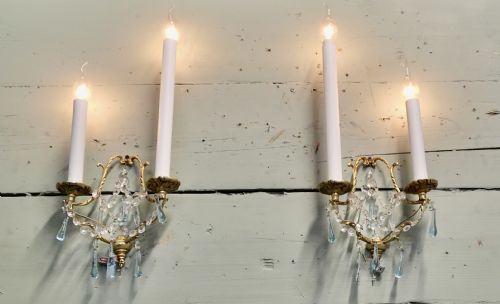
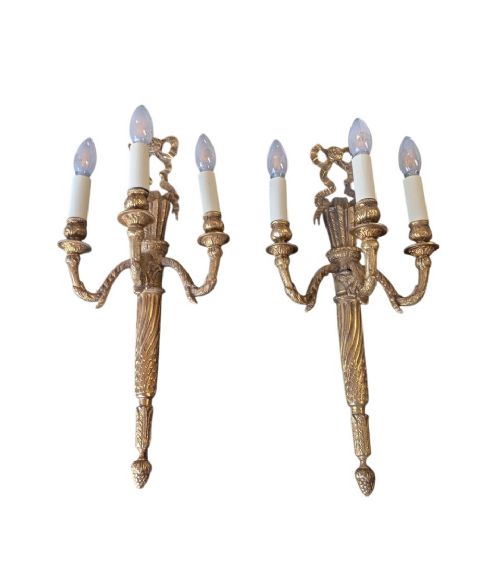


Decorative Wall Candles
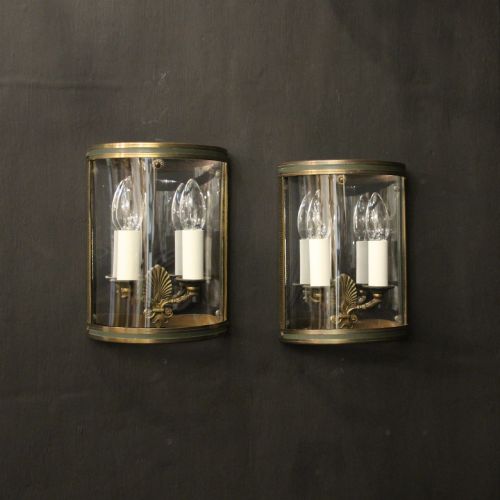
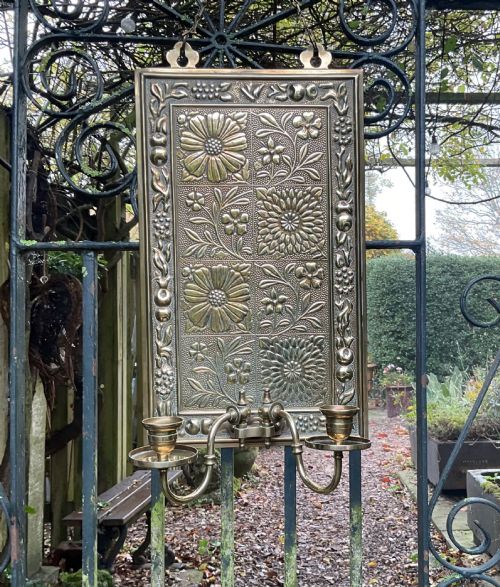
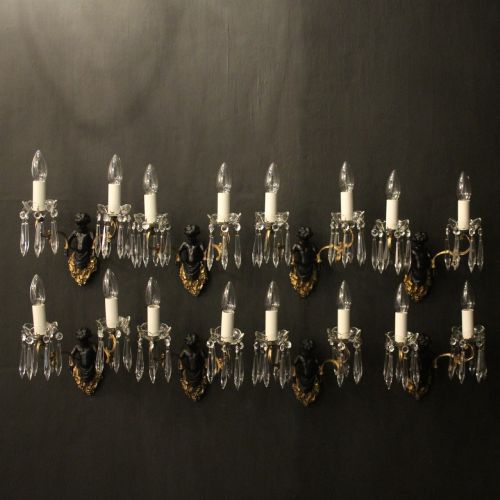
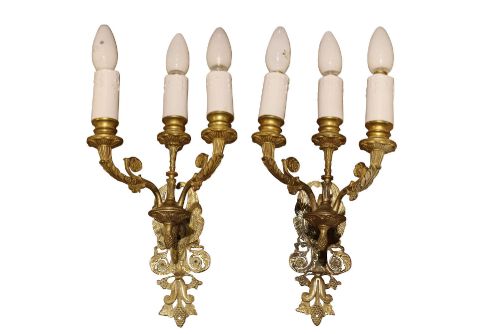
Decorative wall candles bring ambient warmth to a room, cast in brass, bronze, and giltwood from the seventeenth century to the nineteen-thirties.
Decorative Wall Candles
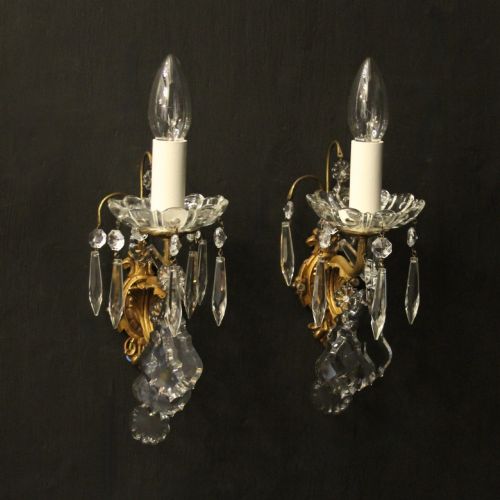
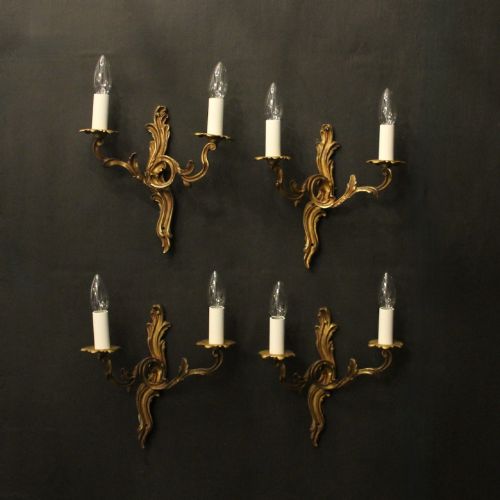
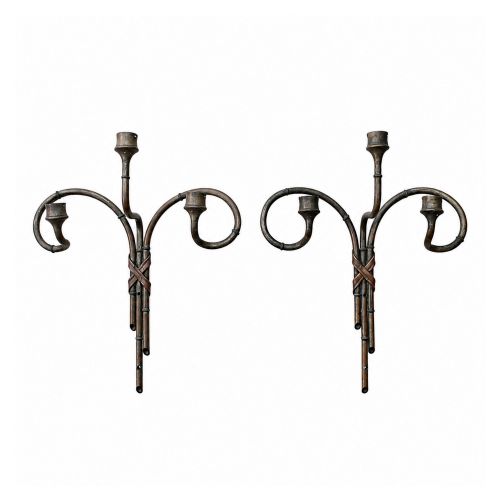
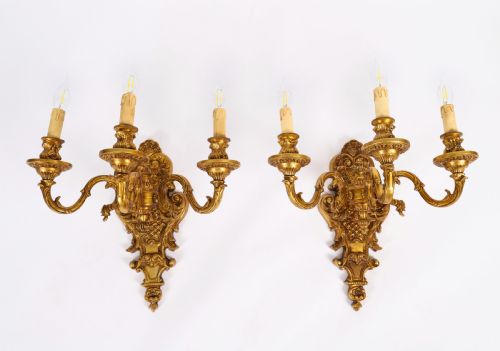
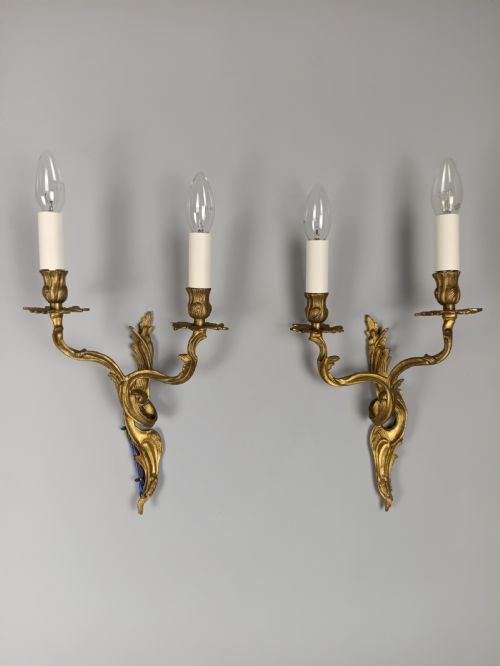
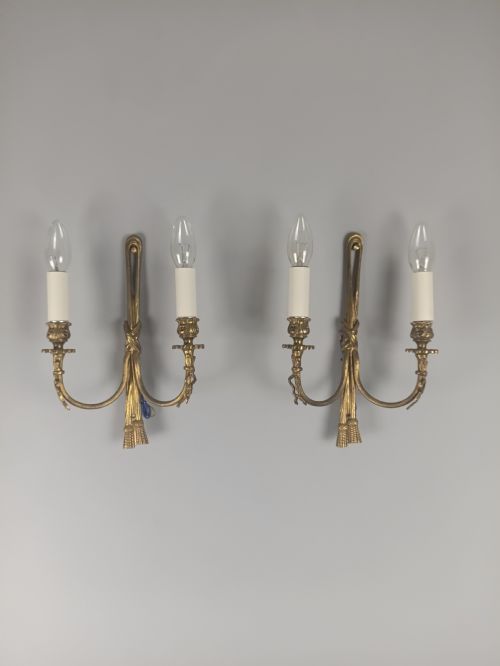
Decorative wall candles encompass wall lights, wall sconces, girandoles, and girandole mirrors designed to hold candles upon a vertical surface. When searching for decorative wall candles, buyers encounter French rococo, neoclassical, and baroque designs originating from the seventeenth century through the nineteen-thirties.
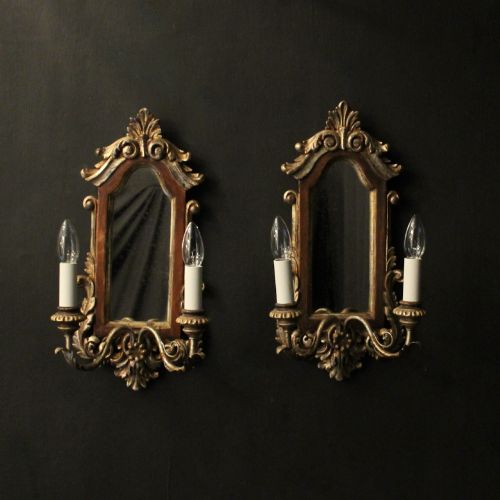
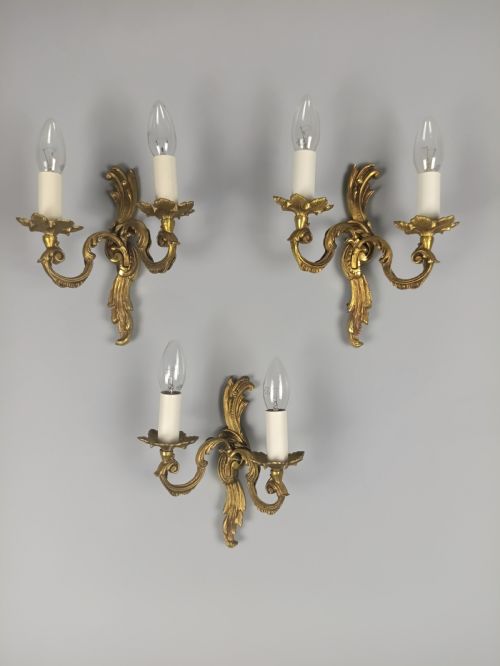
The selection on this page leans heavily toward twentieth-century pairs and sets originating from France and Italy, featuring multiple arms for candles. Formats range from simple brass branches to carved wooden girandoles integrated with reflective glass plates.
How they were made
Maker workshops shaped these fixtures from cast brass, gilt bronze, and wrought iron, frequently applying gold leaf or gesso over carved wood or gesso surfaces. Molten metal was cast into ornate backplates and candle arms, then chased by hand to define scrollwork, floral motifs, and ram's head masks.
Polychrome decoration and silver gilding appear on wooden Italian and English forms, while glass panels and mirror plates amplify the candlelight. Construction involves threaded metal bolts, pinned wooden joints, and hand-beaten components secured to structural backplates.
Decorative Wall Candles Retail Price Guide 2026
Typical asking prices for decorative wall candles among the pieces listed under this phrase on Sellingantiques today, from the lower quarter to the upper quarter. They describe what is for sale here now, not the wider market.
Several pairs feature sculpted ram's head masks staring intently across the room, watching over the flicker of the wall candles.
What varies in quality
Quality rests upon the crispness of the metal chasing or the depth of the wood carving, where sharper details indicate a superior hand behind the workshop production. Heavy cast bronze and solid giltwood retain their structural integrity and surface crispness far better than lighter stamped metal alloys.
The cohesion of the design distinguishes standard items from exceptional pieces, particularly where paired or matched sets preserve their original gilding and proportional balance without modern replacement parts.
The Decorative Wall Candles Glossary
- Sconce
- A wall-mounted lighting fixture designed to hold one or more candles. These fixtures project outward from timber paneling or plaster walls.
- Girandole
- A decorative wall mirror fitted with candle branches attached to the frame. The reflective glass multiplies the flickering light of the candles.
- Ormolu
- Finely ground high-carat gold mercury-gilded onto a bronze base. This technique creates a rich, durable golden finish characteristic of French luxury items.
- Gesso
- A plaster mixture spread over wood and carved before gilding. It provides a smooth base for gold leaf application in decorative frames and sconces.
- Rococo
- An ornate design style defined by asymmetry, C-scrolls, and shell motifs. Originating in France, it heavily influences many nineteenth-century wall lights.
Decorative Wall Candles: Frequently Asked Questions
How do I hang antique wall sconces safely?
Wall sconces require secure mounting into timber studs or solid masonry using appropriate wall anchors. The heavy cast metal and carved wooden backplates demand robust fixings to support the outward weight of the arms.
Position the fixtures at eye level or slightly above to balance the room's proportions and ensure the candlelight illuminates the space effectively without glare.
Can these candle fixtures hold modern electric bulbs?
Many decorative wall candles are adapted for electricity by professional electricians who run concealed wiring through the hollow arms. Original candle drip pans and nozzles can often accommodate small candle-style sleeves.
Retaining the piece for actual wax candles preserves the original manufacturing intent, though it requires attention to drafts and melting wax during use.
How do I clean giltwood and ormolu surfaces?
Dust giltwood and ormolu gently with a soft dry brush or feather duster to remove surface particles. Avoid water, alcohol, or abrasive cleaning products which strip the fragile gold leaf or bronze gilding.
Regular careful dusting prevents grime accumulation in the recessed carved details and chased metal patterns.
What distinguishes Adam Revival from Rococo style?
Adam Revival pieces draw on classical antiquity with symmetrical urns, swags, and straight architectural lines. Rococo items favour fluid asymmetry, scrolling foliage, and dynamic serpentine curves.
Recognising these decorative motifs helps date the piece and understand the stylistic period the maker sought to emulate.