

Decorative Wall Art
Decorative wall art brings together centuries of paintings, carved panels, mirrors and textiles designed to animate a room.
Decorative Wall Art
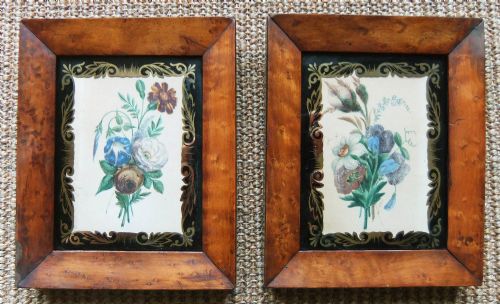
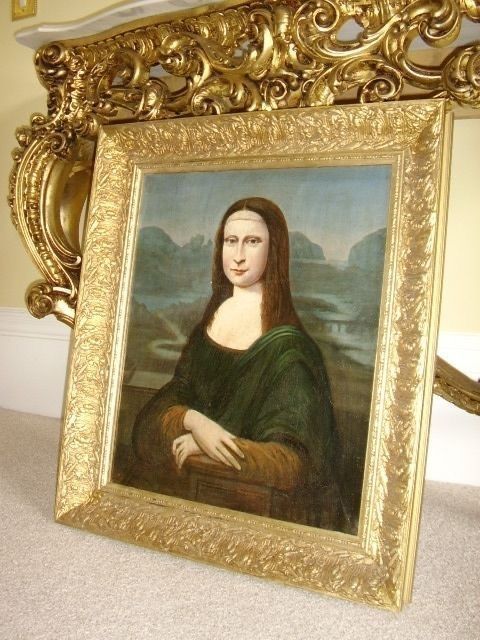
When you search for decorative wall art, you encounter a diverse range of objects created to hang on vertical surfaces, spanning from the Georgian period through the nineteenth century and into the mid-twentieth century. The selection includes oil paintings, watercolours, tempera panels, and gouache works alongside utilitarian items elevated to display pieces.
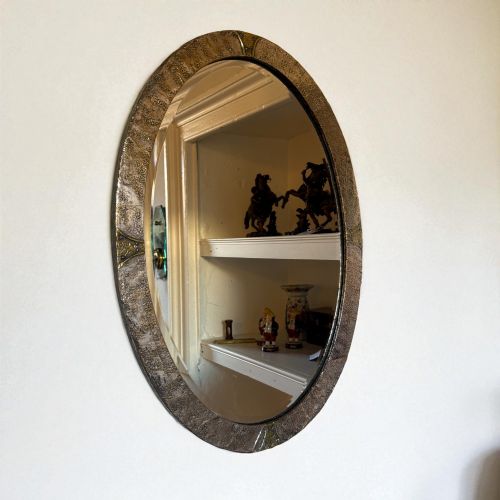
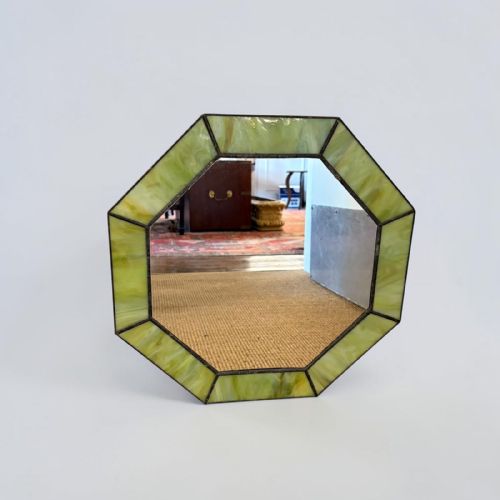
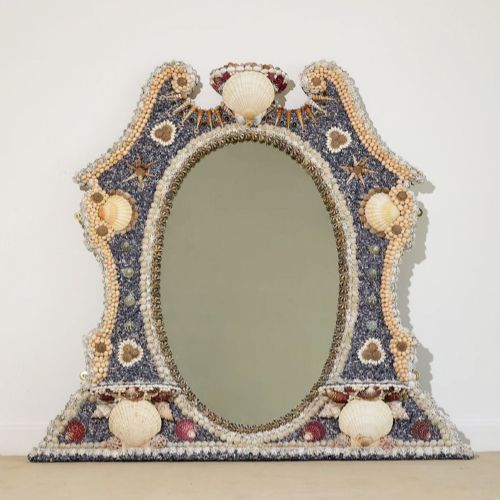
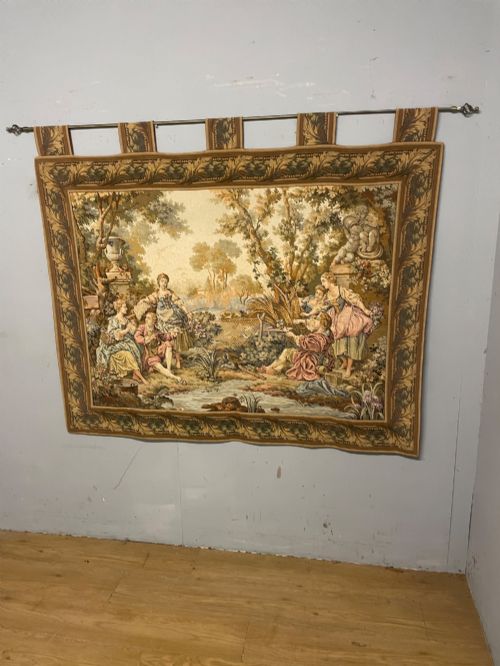
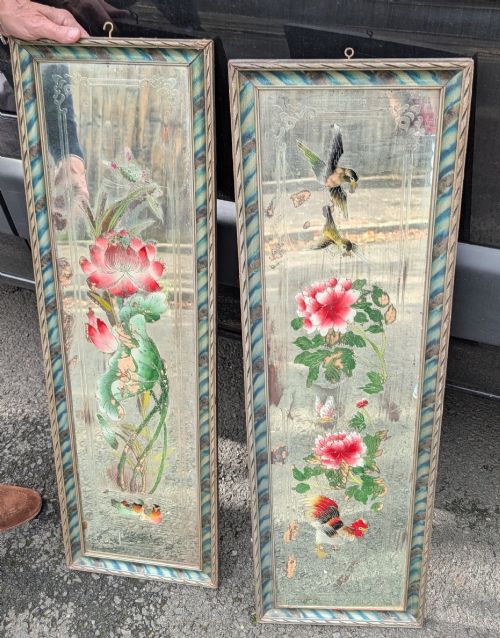
Mirrors form a substantial portion of what you find here, ranging from carved wood and gilt frames to Art Deco Venetian examples and Arts and Crafts hammered metal designs. Textile wall hangings, crewelwork embroideries, and tapestries also appear frequently, bringing softness and intricate pattern to interiors.
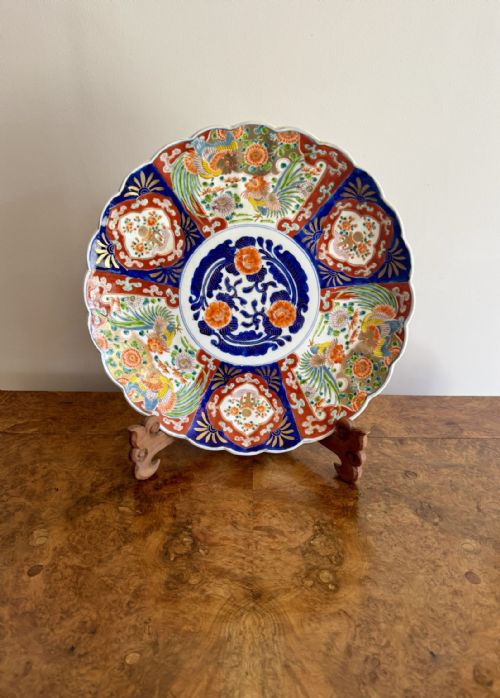
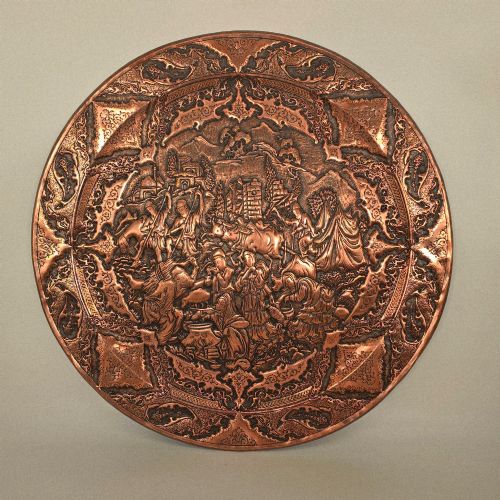
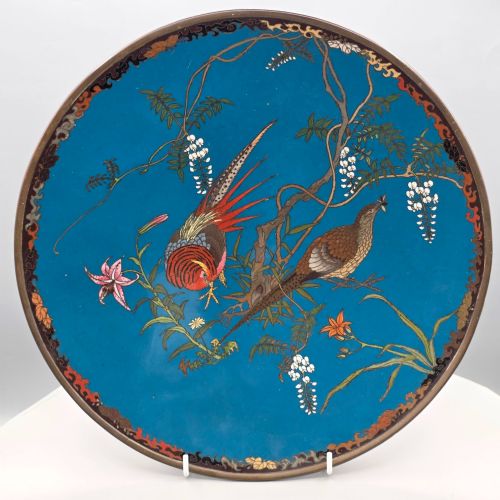
Ceramics and metalwork feature strongly among these items, represented by Japanese cloisonné chargers, Paris porcelain plates, Mettlach plaques, and engraved Persian copper vessels. These varied forms demonstrate how past makers turned everyday materials into focal points for domestic spaces.
Materials and construction
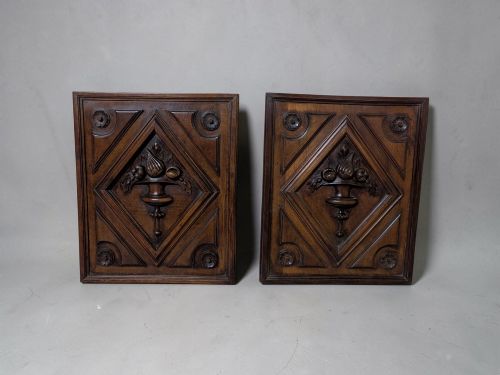
Wood serves as a primary foundation across many pieces, appearing in carved wall reliefs, oak picture frames, and joined pine panels. Artisans worked wood with hand chisels to create deep relief carvings or shaped simple mouldings to house delicate watercolours and prints.
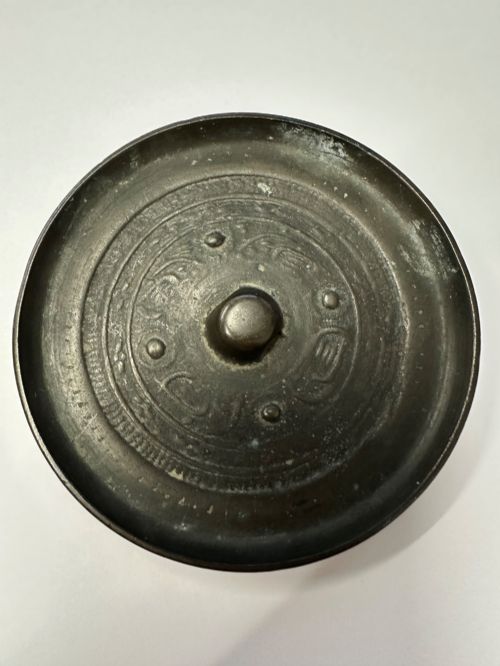
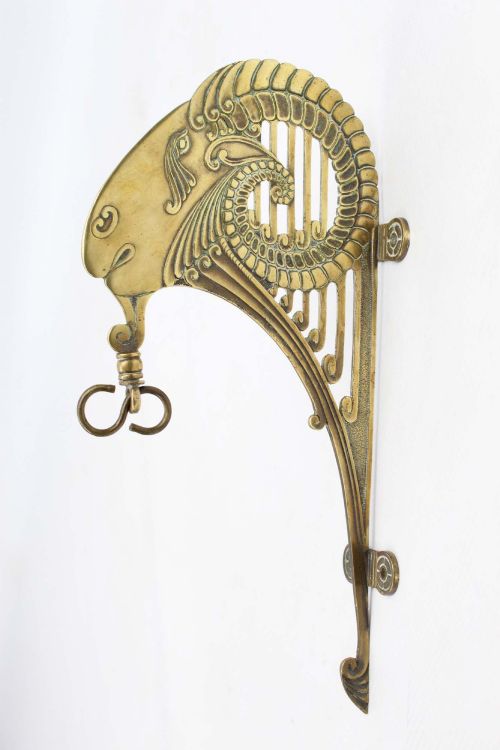
Metals such as bronze, copper, iron, and brass undergo repoussé work, engraving, hammering, and patination. Artisans shaped sheet copper into decorative chargers, forged iron into architectural scroll panels, and cast bronze for mirrors and wall brackets.
Textile and paper works rely on traditional media including wool, cotton, canvas, and gouache. Embroiderers stitched crewelwork wool onto heavy base fabrics, while painters applied tempera, oil, and watercolours to paper, panel, and canvas supports.
Materials span fragile paper and delicate porcelain to robust wrought iron and carved oak.
Assessing quality and execution
The standard of execution lies in the mastery of the medium, whether it is the crispness of a wood carving or the fine detail in an engraved copper repoussé charger. Pieces executed by trained hands display deliberate control, balanced proportions, and careful finishing that elevate them above routine manufacture.
The integrity of surface decoration and materials also dictates distinction. Original gilding, subtle patination on bronze and iron, and unfaded pigments on watercolours and porcelain plaques indicate careful survival and superior initial production.
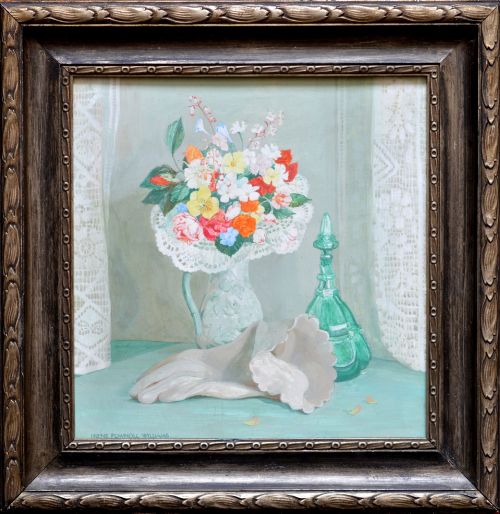
Irene Christobelle Pownoll Williams·Raymond Subes·William Yale
The Decorative Wall Art Glossary
- Repoussé
- A metalworking technique where the artisan hammers metal from the reverse side to form a raised design on the front. This method creates tactile depth on copper chargers and plaques.
- Cloisonné
- An ancient technique for decorating metal object surfaces, using wire partitions to contain enamel pastes fired in a kiln. Japanese examples often depict birds and natural scenes.
- Gouache
- An opaque water-based paint method yielding flat, saturated colour areas often used for detailed botanical and maritime export paintings.
- Tempera
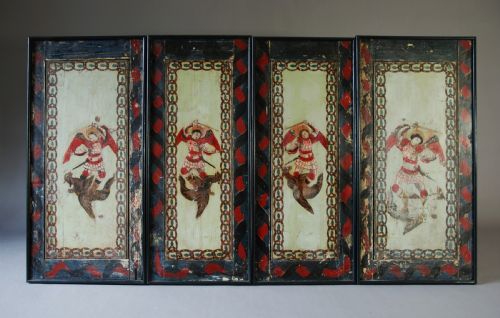
- A permanent fast-drying painting medium consisting of coloured pigments mixed with a water-soluble binder medium such as egg yolk. This technique produces durable matte surfaces on wooden panels.
- Crewelwork
- A type of embroidery using wool yarn on a heavy fabric ground. It permits varied textured stitches to build large floral and paisley textile wall hangings.
Decorative Wall Art: Frequently Asked Questions
How do I hang heavy wall panels safely?
Heavy carved wood panels and large framed mirrors require secure fixings anchored directly into wall studs or masonry using appropriate wall plugs and screws.
Weight distribution across two points rather than a single central wire ensures stable support for antique frames.
Are textile wall hangings difficult to maintain?
Textile panels and crewelwork require protection from direct sunlight to prevent fading of wool and cotton threads over time.
Gentle surface dusting with a soft brush helps keep accumulated particles from settling into the weave.
How do I date a decorative metal charger?
Examining the reverse side often reveals tool marks, mounting loops, or maker stamps that indicate the period of manufacture.
Hand-engraved details and natural patination also offer clues to whether a piece originates from the nineteenth century or earlier.
Can I mix different decorative styles together?
Combining pieces from varied eras, such as Art Deco mirrors with nineteenth-century oil paintings, creates layered and dynamic interiors.
Focusing on complementary materials or tones helps unify disparate objects on a single wall.