





Decorative Victorian Pottery Ornament
These decorative victorian pottery ornament pieces bring nineteenth century character to a mantelpiece.
Decorative Victorian Pottery Ornament
When searching for a decorative victorian pottery ornament, buyers encounter nineteenth century figures, vases, and paperweights originating from Staffordshire and English potteries. The selections span periods from the 1870s through the 1890s, capturing the diverse aesthetic tastes of the era.
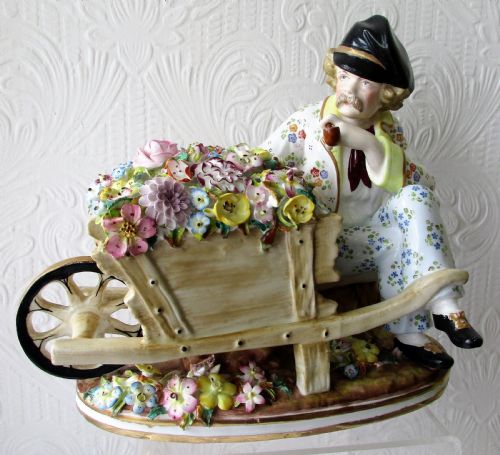
Figurines dominate the offerings, featuring subjects such as seated spaniels, gardeners, flatback castles, and literary or exotic characters like leopard hunters and seated Turks. Paired objects, including seated dogs and Doulton Lambeth vases, frequently appear alongside single sculptural works.
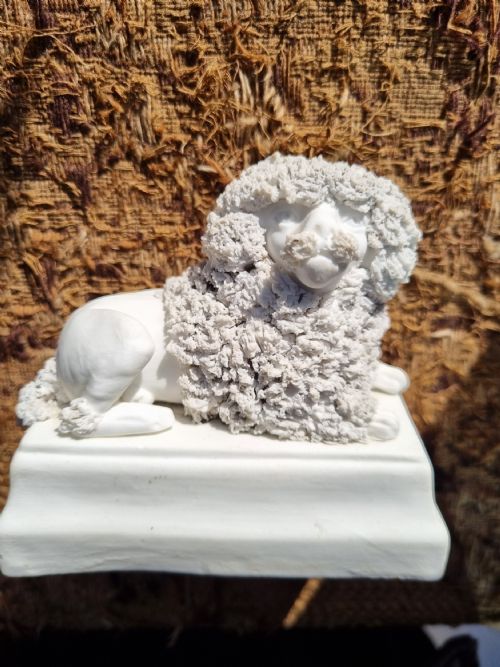
Stylistic influences range from mainstream Victorian design to Arts and Crafts, Victorian Staffordshire, and Victorian Orientalism. White bisque pottery poodles and Majolica gnomes demonstrate the varied sculptural forms produced during this period.
How they were made
Potters utilised earthenware, stoneware, and porcelain as the primary ceramic bodies for these sculptures and vessels. Moulding and shaping created the foundational forms of the flatbacks, animals, and human figures.
Surfaces received decoration through glaze, enamel, and overglaze enamel applications, sometimes accented with gold leaf. Bisque pottery examples remained unglazed, highlighting the pure white ceramic texture.
Decorative Victorian Pottery Ornament Retail Price Guide 2026
Typical asking prices for decorative victorian pottery ornament among the pieces listed under this phrase on Sellingantiques today, from the lower quarter to the upper quarter. They describe what is for sale here now, not the wider market.
A pottery gnome sits ready to guard the room.
What varies in quality
The application of glaze and enamel colour work creates visual depth, with carefully hand-painted surfaces showing greater artistic intent. Works from known potteries or named makers often display superior decorative execution.
John Bevington·Doulton Lambeth·Emily Edwards·Emily Stormer
The Decorative Victorian Pottery Ornament Glossary
- Staffordshire flatback
- A ceramic figure designed with a finished front and a mostly unadorned, flat back intended to sit against a wall on a mantelpiece.
- Bisque
- Unglazed ceramic fired once to create a matte, porous white surface that shows fine sculptural detail without reflective glaze.
- Majolica
- A type of colourful lead-glazed earthenware popular during the nineteenth century, known for vibrant and glossy botanical or figurative designs.
- Overglaze enamel
- Coloured glass decoration applied on top of a fired glaze and fixed with a lower temperature second firing.
- Doulton Lambeth
- A prominent London pottery studio celebrated for artistic stoneware vessels produced during the late nineteenth century.
Decorative Victorian Pottery Ornament: Frequently Asked Questions
Where were these figures displayed?
These decorative objects traditionally sat on nineteenth century mantelpieces, sideboards, and occasional tables.
Their flat backs allowed them to rest flush against drawing room walls.
How do I identify a flatback?
Flatback figures are moulded with a detailed front and a mostly flat, unpainted reverse side.
This construction saved ceramic material and kept the piece stable when placed against a wall.
What is bisque pottery?
Bisque refers to unglazed ceramic ware that has undergone its initial firing.
It offers a smooth, matte white texture that emphasises the underlying sculptural form.
Are these items waterproof?
While vases held flowers, many sculptural figures and ornaments served purely decorative purposes.
Earthenware and stoneware bodies function differently depending on their glaze and firing.