



Decorative Turned Timber
Decorative turned timber brings warmth and classical symmetry to a room, offering tactile grain and rich historic character.
Decorative Turned Timber
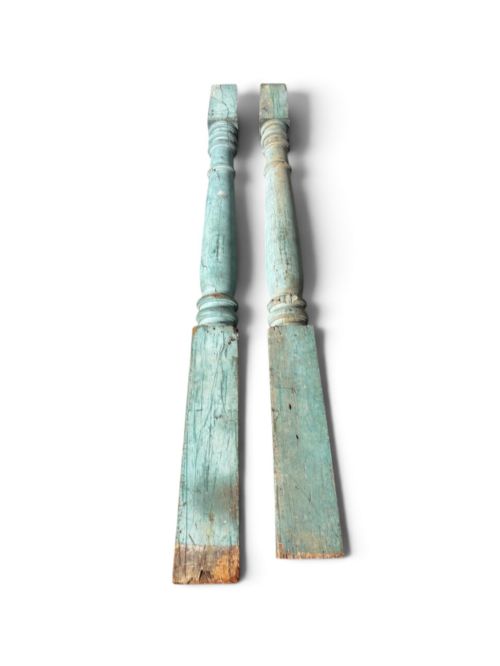
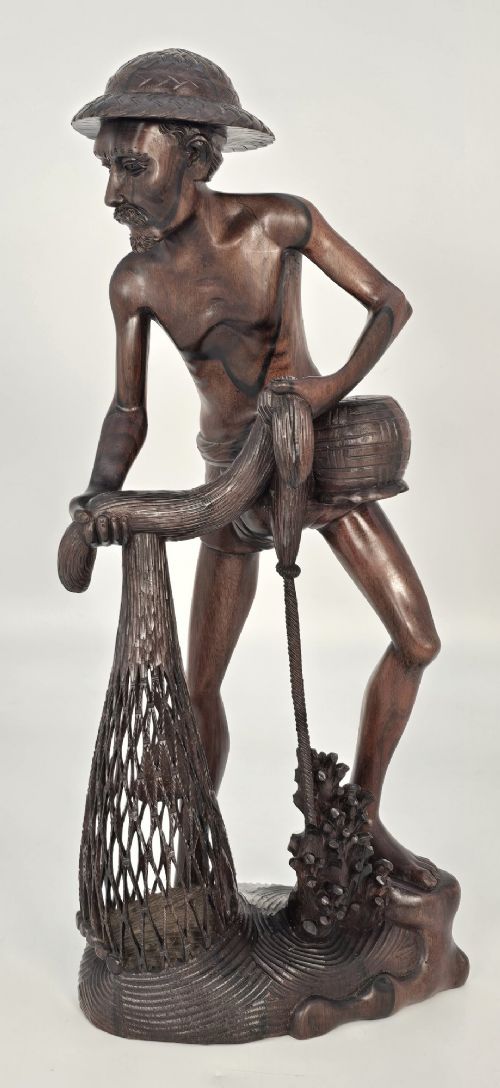
When you search for decorative turned timber, you encounter items shaped on a lathe from dense hardwoods alongside architectural elements and treen. These objects span the Georgian period, the nineteenth century, and early twentieth-century movements like Arts and Crafts.
How they were made
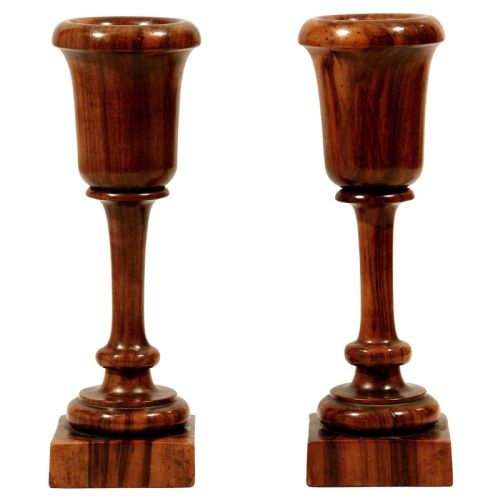
Craftsmen shaped these items on a lathe using dense, heavy hardwoods like lignum vitae, walnut, and mahogany. The natural grain of the wood provides the primary visual interest, often enhanced through simple hand-turning techniques to create symmetrical columns, urns, and balusters.
Surface finishes vary from plain polished timber to hand-painted details and floral panels. Certain pieces incorporate applied brass or parquetry veneer, combining lathe-turned sections with cabinet-making skills.
Decorative Turned Timber Retail Price Guide 2026
Typical asking prices for decorative turned timber among the pieces listed under this phrase on Sellingantiques today, from the lower quarter to the upper quarter. They describe what is for sale here now, not the wider market.
Some nineteenth-century turners clearly enjoyed showing off, leaving delicate wooden goblets spinning on stems so thin they look ready to dance off the table.
What varies in quality
Quality rests in the crispness of the turning profiles and the selection of the timber. Dense, heavily figured woods like lignum vitae and walnut yield sharper details and a more substantial weight in the hand.
Proportion and balance separate standard items from finer examples. Pieces that maintain symmetrical precision without excessive wear or crude repair show the maker's original intent.
The Decorative Turned Timber Glossary
- Treen
- Small handmade wooden household objects. These items range from spice towers to spill vases intended for everyday domestic utility.
- Spill Vase
- A small container designed to hold wooden spills used for lighting fires or candles. They frequently take the form of turned urns or beakers.
- Lignum Vitae
- A dense, heavy exotic hardwood known for its oily nature and deep dark colour. It was frequently utilised for turned items requiring strength and weight.
- Parquetry Veneer
- Small geometric pieces of wood arranged to form a decorative mosaic pattern across a surface. It adds visual complexity to flat elements adjoining turned sections.
- Architectural Salvage
- Salvaged building components such as columns and pillars removed from structures. These items are repurposed for interior decoration.
Decorative Turned Timber: Frequently Asked Questions
What is decorative turned timber?
Decorative turned timber encompasses objects shaped on a lathe, ranging from architectural columns and urns to domestic treen such as spill vases and spice towers. These pieces highlight the natural grain of hardwoods and the precision of historic woodturning.
Items in this category date from the Georgian era through to the early twentieth century, reflecting various stylistic movements including Arts and Crafts and neoclassical designs.
How were turned wooden vases used?
Turned wooden vases, such as lignum vitae spill vases, served practical household roles in holding wooden spills to transfer flames from hearths to candles and lamps. Their solid construction and decorative turning made them suitable for display on mantelpieces.
Over time, many of these utilitarian items transitioned into purely decorative objects valued for their timber figuring and craftsmanship.
How do I identify nineteenth-century turned timber?
Nineteenth-century turned timber often displays dense hardwoods like walnut, mahogany, and lignum vitae with characteristic hand-turned profiles. Stylistic clues such as neoclassical urn shapes or Arts and Crafts specimen woods help date the pieces.
Examine the tool marks and the nature of the wood grain to understand the manufacturing methods of the period.
How do I live with turned timber antiques?
Place turned timber pieces away from direct heat sources and sudden humidity changes to protect the wood from splitting. Regular dusting and occasional application of appropriate wax help maintain the lustre of the finish.
Allow the natural patina to show by keeping pieces in stable indoor environments where their form and grain can be appreciated.