





Decorative Timekeeper
A decorative timekeeper brings mechanical precision and nineteenth-century craftsmanship into a room.
Decorative Timekeeper
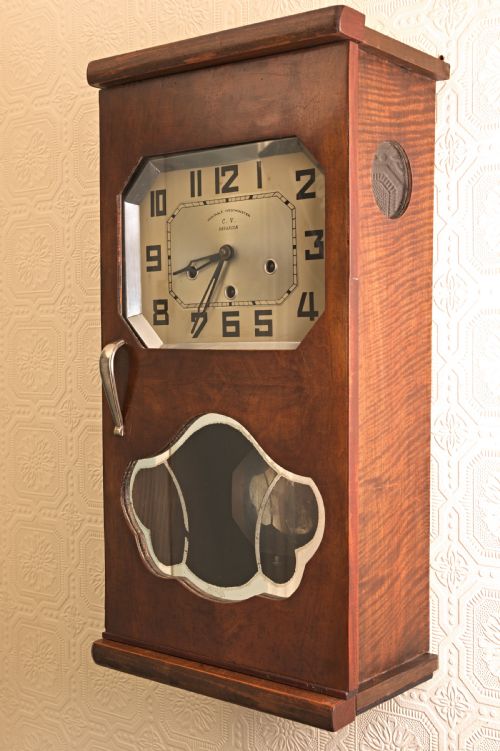
A decorative timekeeper on this page is a nineteenth-century clock, spanning forms such as mantel clocks, carriage clocks, wall clocks, and bracket clocks. These pieces come in styles including Victorian, Regency, Louis XVI Revival, and French Restauration, reflecting the diverse aesthetic tastes of the period.
The selection ranges from robust mahogany wall clocks to ornate ormolu, gilt bronze, and patinated bronze mantel pieces featuring glass and enamel dials. Buyers frequently encounter French carriage clocks and Victorian mantel clocks amongst the current selection.
How they were made
Maker workshops utilised metals such as ormolu, gilt bronze, and patinated bronze, often casting and engraving cases by hand to achieve rich surface detail. Cabinets were constructed from woods like rosewood and mahogany, frequently incorporating marquetry, inlay, or ebonised finishes.
Movements relied on traditional mechanisms, including silk suspension systems and eight-day striking trains, paired with enamel dials protected by glass panels. Skilled artisans combined brass framing with delicate silvered metal components to ensure reliable timekeeping alongside ornate external display.
Decorative Timekeeper Retail Price Guide 2026
Typical asking prices for decorative timekeeper among the pieces listed under this phrase on Sellingantiques today, from the lower quarter to the upper quarter. They describe what is for sale here now, not the wider market.
Listings feature items from the Victorian and nineteenth-century periods, utilising materials such as malachite, ormolu, and ebonised wood.
What varies in quality
The degree of hand-chiselling, depth of gilding, and precision of engraving across the bronze and ormolu cases separate standard examples from finer works. Profuse, crisp carving to all sides indicates a higher level of workshop investment during production.
The intricacy of the clock movement, the clarity of the enamel dial, and the selection of cabinet timbers such as inlaid rosewood rather than plain secondary woods determine the overall standing of an individual piece.
Seller of Reading·Duverdrey & Bloquel·Delépine-Barrois
The Decorative Timekeeper Glossary
- Ormolu
- A technique of applying finely ground high-carat gold to a bronze base, creating a rich golden surface finish. This treatment was widely used on nineteenth-century French clock cases.
- Silk suspension
- A method of hanging the pendulum by a short loop of silk thread rather than a steel spring. It is commonly found in earlier nineteenth-century French movements.
- Bracket clock
- A portable table clock designed originally to sit on a wall bracket. These wooden-cased pieces often feature delicate brass inlay and refined carrying handles.
- Carriage clock
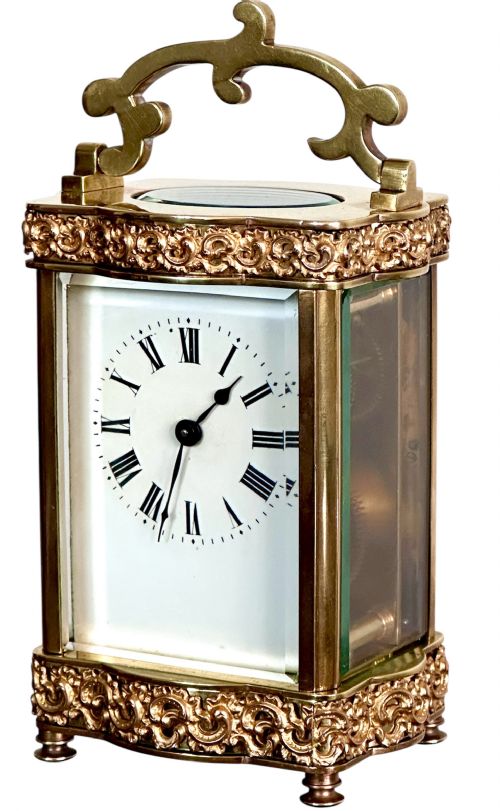
- A small, spring-driven timekeeper enclosed in brass and glass, originally built for travel. They frequently feature elaborate engraving and robust escapements.
- Enamel dial
- A clock face created by fusing powdered glass to a metal substrate at high heat. This process produced a smooth, glossy, and durable white surface for painted numerals.
Decorative Timekeeper: Frequently Asked Questions
Where should I place a decorative timekeeper?
These clocks suit prominent locations where their mechanical action and decorative cases can be appreciated. Mantel clocks sit well on a drawing room fireplace, whilst carriage clocks find a natural home on desks or side tables.
Avoid areas subject to dampness or direct sunlight to protect delicate wood veneers, gilding, and antique enamel dials. Stable surfaces ensure the pendulum or balance wheel operates without interruption.
How do I wind an antique clock?
Use the appropriate winding key gently, turning it only until you feel firm resistance. Overwinding can damage the delicate internal springs of nineteenth-century movements.
Consult the specific instructions for your mantel, bracket, or carriage clock mechanism. Regular, careful winding preserves the longevity of the brass gear trains.
How do I tell Victorian clocks apart from French pieces?
Victorian pieces often lean towards robust timber cases like mahogany and ebonised wood, reflecting English cabinet-making traditions. Their design language frequently incorporates Victorian Rococo Revival motifs.
French pieces typically showcase gilt bronze, ormolu, and serpentine glass carriage cases influenced by Louis XVI Revival and French chateau styles. Movement architecture and dial signatures also help distinguish the origin of the workshop.
How do these clocks keep accurate time?
Antique timekeepers rely on mechanical escapements and pendulums or balance wheels to regulate the release of power from the mainspring. Fine adjustments to the pendulum length or regulation lever control the speed of the beat.
Periodic professional servicing helps maintain consistent timekeeping by cleaning old oils from the gear train and pivots. Environmental stability in the room also prevents minor metal expansion from affecting the rate.