





Decorative Terracotta Art
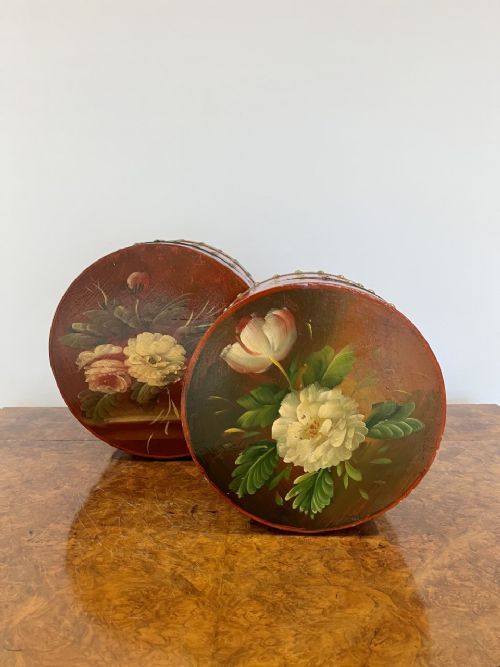
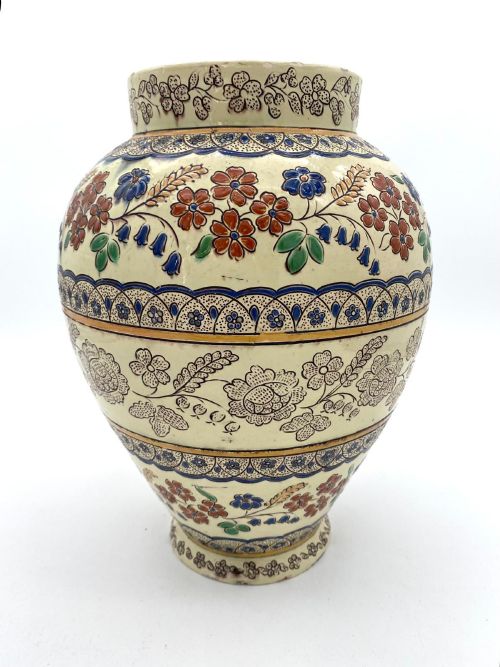
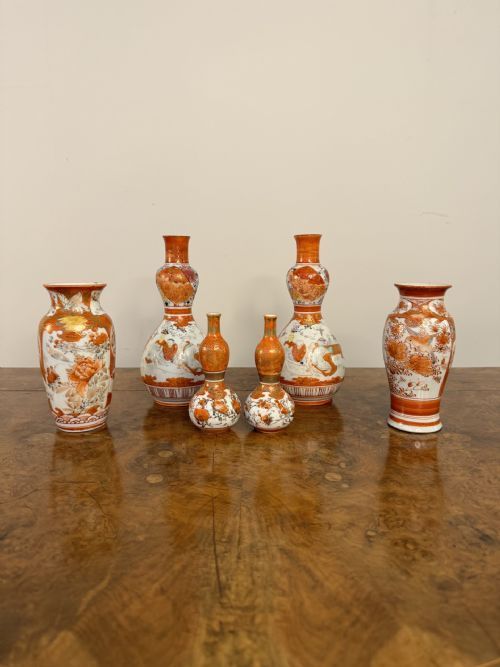
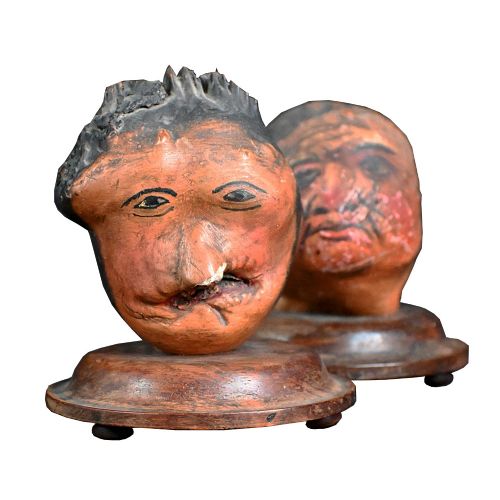
These decorative terracotta art pieces bring moulded clay warmth and sculptural presence into a room, spanning figures, vases, and architectural elements from the nineteenth and twentieth centuries.
Decorative Terracotta Art
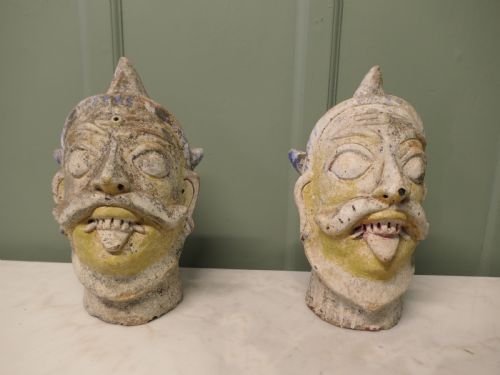
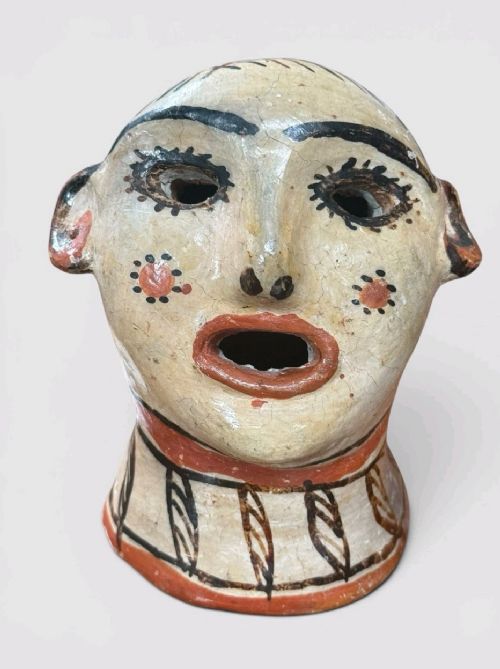
Decorative terracotta art covers moulded and modelled clay objects designed to adorn interiors and gardens, ranging from classical figures to folk art heads and wall reliefs. When searching for decorative terracotta art, collectors encounter nineteenth-century European sculptures alongside twentieth-century Art Nouveau and Art Deco forms.
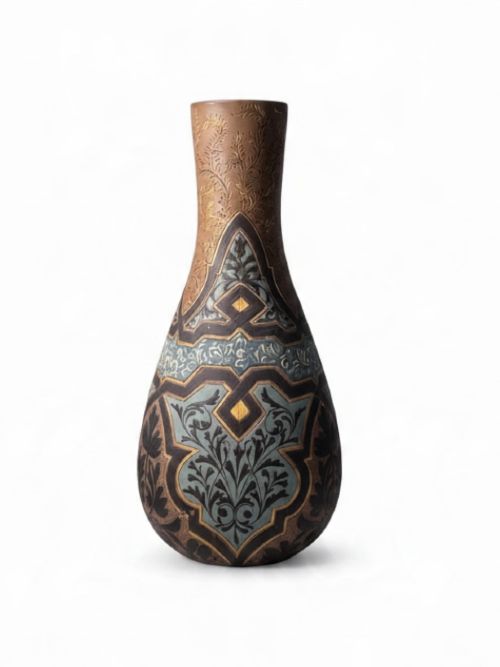
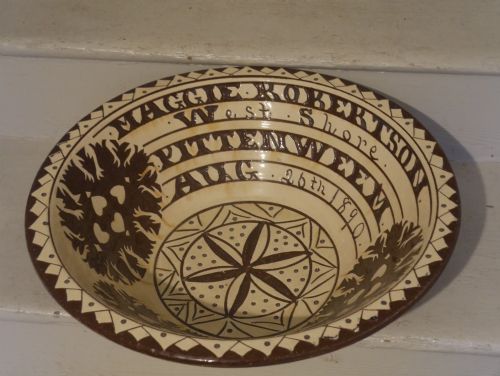
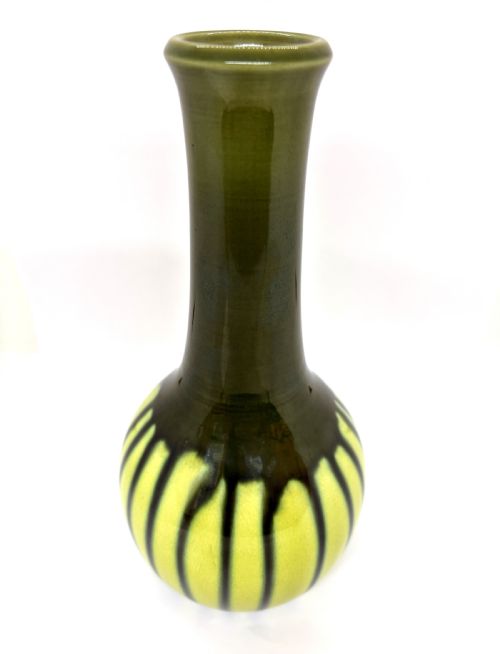
The selection includes utilitarian vessels elevated to display pieces, such as glazed earthenware vases and dairy bowls, alongside architectural elements like tent pole tops and finials. These works bridge fine art sculpture and applied craft through shaped and fired earth.
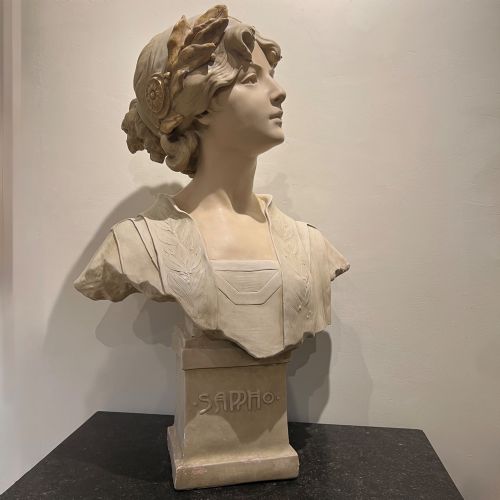
Origins stretch across Britain, continental Europe, Asia, and South America, displaying styles from Swiss, Indian, Peruvian, and Victorian folk traditions to refined factory-produced figures. Buyers frequently meet large-scale Austrian and French figures, architectural brackets, and busts dating from the eighteen-eighties to the nineteen-thirties.
How these pieces were shaped and fired
Makers shaped these pieces using natural terracotta, earthenware, and clay bodies, often pressing the material into moulds or hand-modelling the forms before kiln firing. The raw earth was occasionally left porous and matte, or treated with pigment and paint to define details.
Surface finishes include applied glazes, faux marble treatments, and polychrome pigments that alter the appearance of the fired clay. Workshops combined traditional throwing and slip-casting with detailed hand-chasing of the damp clay before firing.
Decorative Terracotta Art Retail Price Guide 2026
Typical asking prices for decorative terracotta art among the pieces listed under this phrase on Sellingantiques today, from the lower quarter to the upper quarter. They describe what is for sale here now, not the wider market.
Object forms span free-standing sculptures, wall reliefs, architectural finials, jardinières, bookends, and decorative pedestals.
What separates the finest examples
The sophistication of the surface treatment, from subtle polychrome pigments to rich glazes and faux finishes, elevates the visual depth of the terracotta. Maker attribution and firm reputation also separate standard commercial wares from master-modelled studio pieces.
Burmantoft's Pottery·Compton Potters Art Guild·Goldscheider·Royal Dux·William Moorcroft
The Decorative Terracotta Art Glossary
- Terracotta
- A porous, fired clay body ranging in colour from pale buff to deep reddish-brown. It serves as the primary structural material for unglazed or painted sculptures.
- Earthenware
- Pottery fired at lower temperatures that remains porous unless glazed. This ceramic body is common in decorative vases and figures.
- Slip-casting
- A manufacturing technique where liquid clay slip is poured into a plaster mould to create hollow figures and vessels. This method allowed potteries to produce complex sculptural forms consistently.
- Polychrome
- The application of multiple colours and pigments to the surface of fired clay. It brings painted realism to figures, busts, and architectural elements.
Decorative Terracotta Art: Frequently Asked Questions
How do I care for terracotta?
Keep unglazed terracotta away from excessive moisture to prevent surface flaking and salt efflorescence. Dust gently with a dry cloth without using harsh cleaning agents.
For glazed or painted pieces, wipe carefully with a barely damp cloth. Avoid placing heavy terracotta sculptures on unstable surfaces.
Were these pieces meant for indoors?
Many nineteenth and twentieth-century terracotta figures and vases were created specifically for interior display on pedestals, consoles, and mantelpieces. Architectural elements and certain garden pieces were designed to withstand external conditions.
Check the density of the ceramic body and the presence of fine interior glazes to determine the original intended environment.
How are periods told apart?
Nineteenth-century pieces often lean towards classical Roman forms, detailed folk carvings, and robust historicism. Art Nouveau works from the turn of the century feature organic whiplash lines and flowing female forms.
Art Deco items from the nineteen-thirties display geometric precision, stylised dancer poses, and streamlined silhouettes. Marks, stamps, and underlying ceramic bodies also help confirm the era of production.
What is the difference between terracotta and earthenware?
Terracotta specifically refers to unglazed or lightly treated brownish-red fired clay used for sculpture and architectural ornaments. Earthenware is a broader category of pottery fired at lower temperatures that is frequently glazed and rendered watertight.
In decorative art, the two terms often overlap when makers apply pigments or glazes to terracotta bodies.