


Decorative Table Centrepiece
A decorative table centrepiece anchors a formal dining setting, bringing height, light or colour to the middle of the table.
Decorative Table Centrepiece
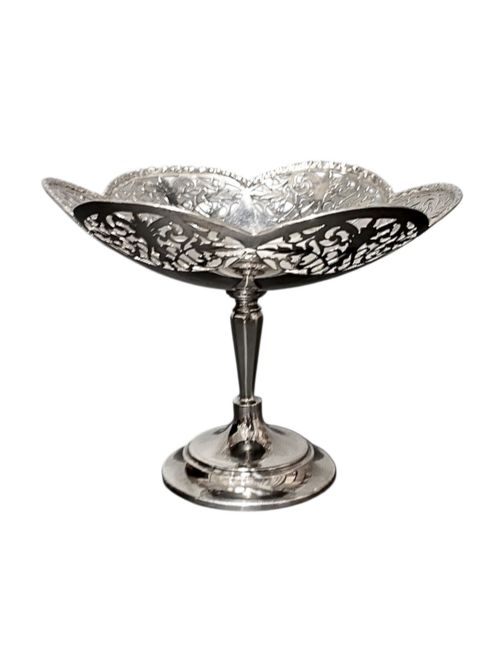
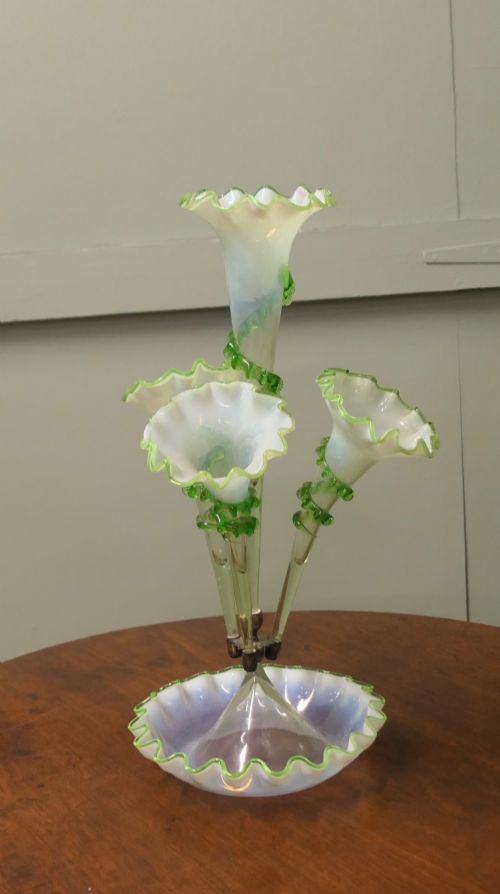
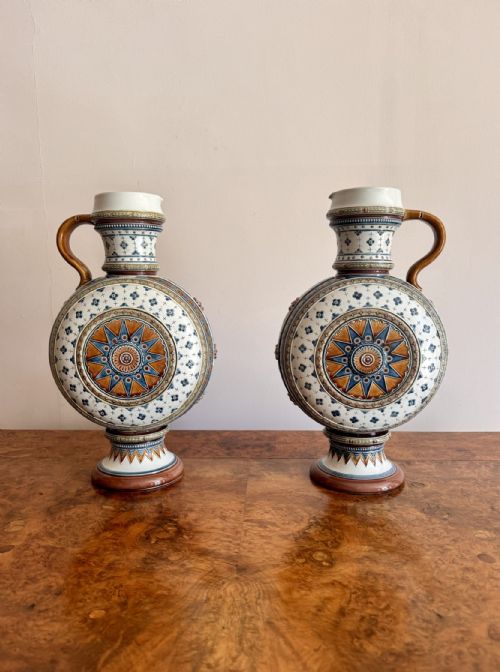
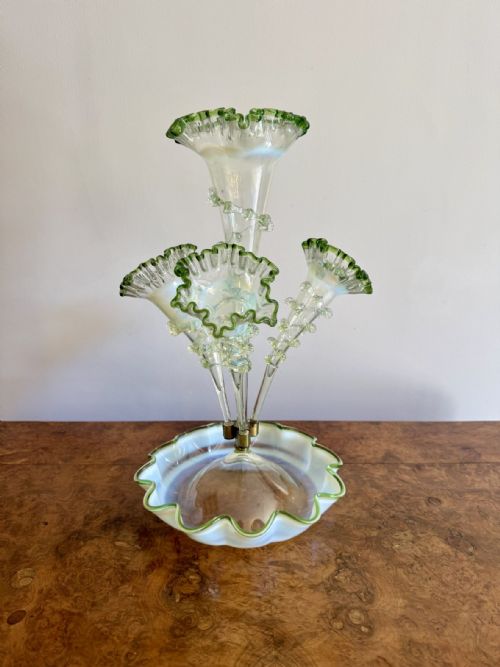
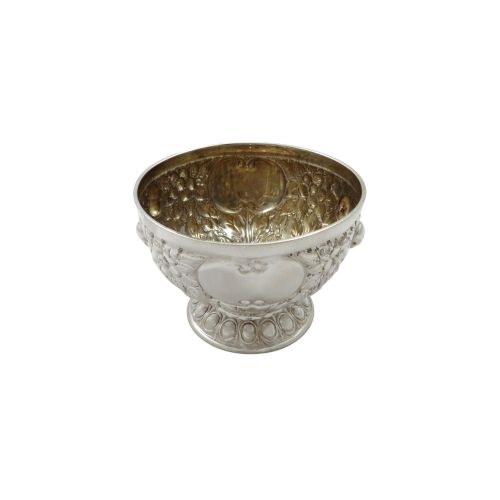
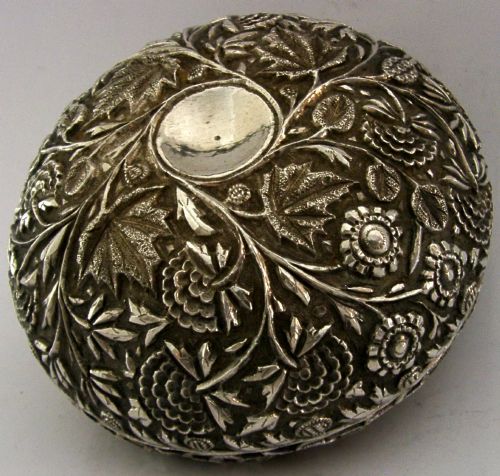
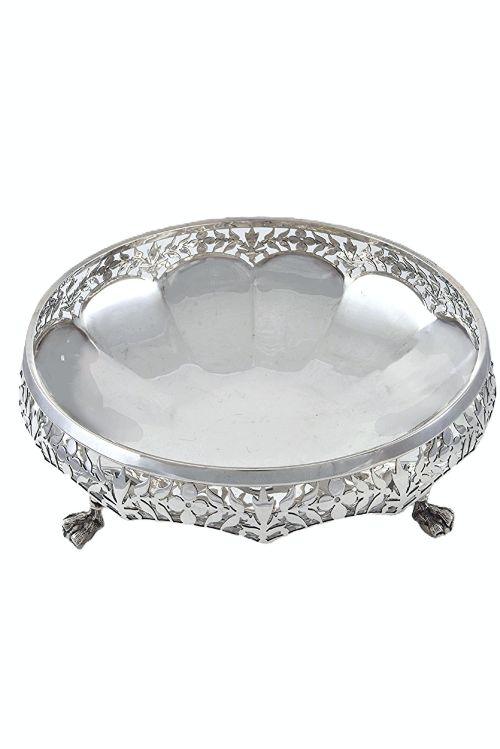
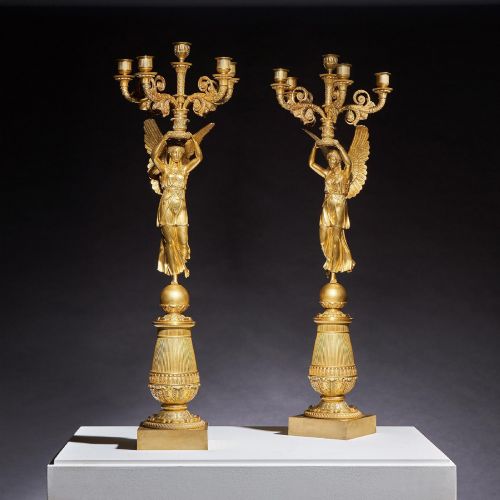
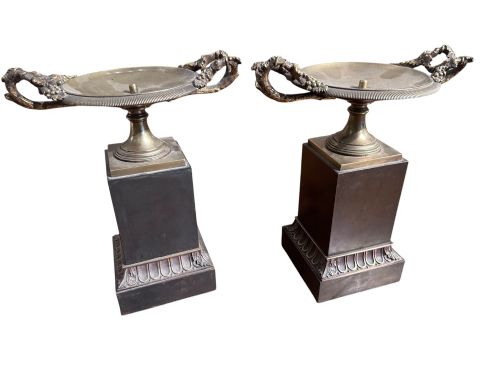
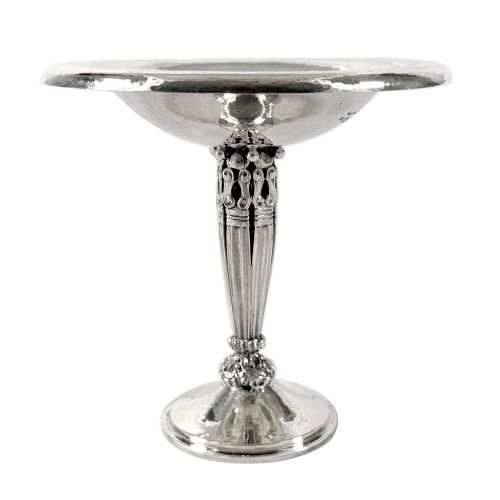
A decorative table centrepiece takes many forms across the nineteenth and twentieth centuries, ranging from towering epergnes and candelabra to low fruit bowls and tazzas. These items were designed to command attention on the dining table or sideboard, often serving as the focal point of a room.
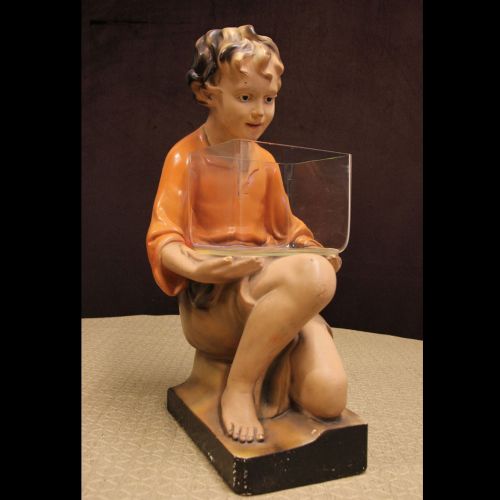
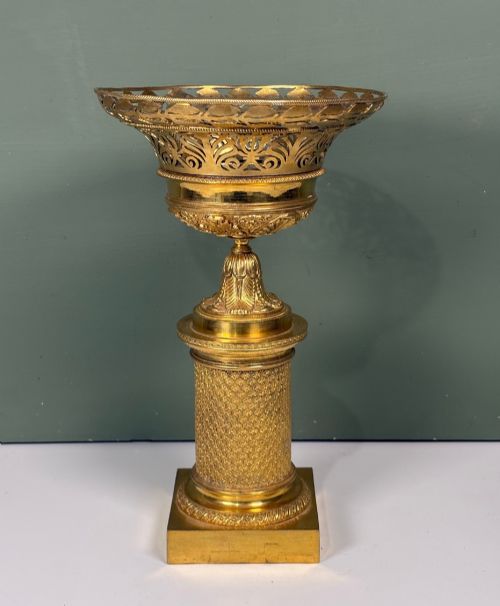
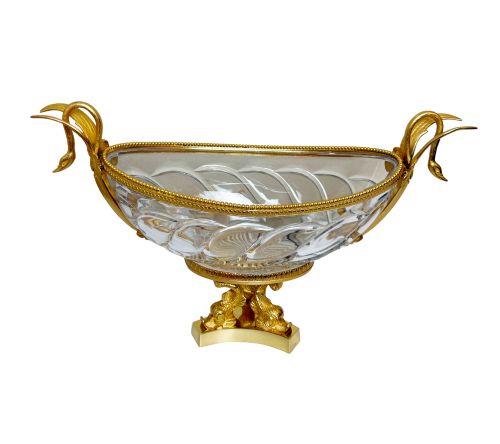
The versions most commonly met here span the Victorian, Edwardian and Art Deco periods, encompassing both British sterling silver and elaborate continental gilt bronze with glass inserts. Makers utilised various materials to suit changing tastes, from heavy cast metals to delicate porcelain figures.
Objects classified under this heading include standing dishes, silver plated baskets and multi-tiered glass stands intended for fruit, flowers or simply decorative display. Each piece reflects the domestic priorities and entertaining habits of its specific era.
How they were made
Metals such as sterling silver, silver plate, ormolu and gilt bronze were cast, chased and mounted, frequently combining heavy structural frames with intricate decorative relief. Artisans also employed champleve enamel and gold leaf to add rich surface detail to trays and stands.
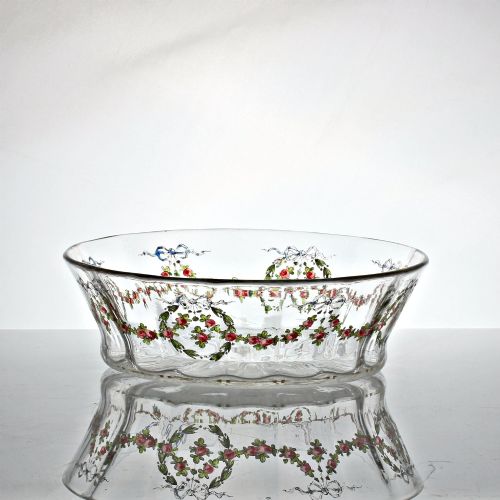
Glass elements were cut, engraved, or blown into shapes like trumpets and bowls, often pairing coloured crystal with metal bases. Porcelain and marble provided solid foundations or figural components, modelled and glazed in European factories.
Decorative Table Centrepiece Retail Price Guide 2026
Typical asking prices for decorative table centrepiece among the pieces listed under this phrase on Sellingantiques today, from the lower quarter to the upper quarter. They describe what is for sale here now, not the wider market.
A pair of solid silver fighting cockerels waits to settle an eternal argument right in the middle of your dining table.
What varies in quality
The division between standard items and exceptional pieces rests upon the crispness of the casting, the depth of the chasing and the quality of the raw materials used. Superior examples display balanced proportions and harmonious integration between contrasting elements like glass inserts and metal mounts.
Signatures, factory marks and attribution to recognised makers elevate a piece, as do originality of components and complexity of design such as multi-branch candelabra or figural supports.
Pierre Philippe Thomire·Charles Boyton·Val St. Lambert·Elkington & Co
The Decorative Table Centrepiece Glossary
- Epergne
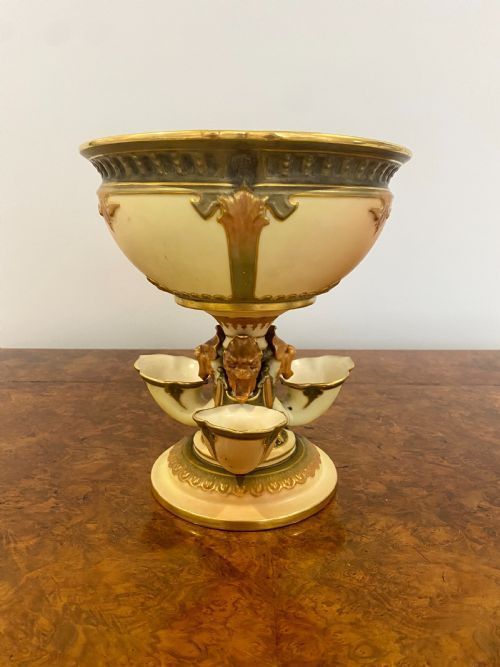
- A large table centrepiece featuring a central bowl with multiple branching arms holding smaller baskets, dishes or trumpets.
- Ormolu
- Gilded bronze, widely utilised in French decorative arts for mounts and stands during the nineteenth century.
- Tazza
- A shallow bowl or dish mounted on a stem and foot, originating from Renaissance forms and revived in later centuries.
- Champleve enamel
- A technique where troughs are carved into metal and filled with vitreous enamel before firing.
- Candelabra
- A branched candlestick designed to hold multiple candles, often used as an imposing table centrepiece.
Decorative Table Centrepiece: Frequently Asked Questions
What is a decorative table centrepiece used for?
These items were traditionally placed in the middle of a dining table or serving sideboard to hold fruit, display floral arrangements, or provide ambient lighting through attached candle holders.
Over time, their role shifted from functional dining accessories to purely decorative showpieces that displayed the host's taste and wealth.
How do I clean a silver or bronze centrepiece?
Silver components require a soft cloth and appropriate metal polish applied sparingly to avoid removing fine detail or plate layers. Gilt bronze and ormolu should only be dusted gently with a dry brush, as moisture or harsh chemicals can permanently damage the surface gilding.
How can I tell Victorian pieces from Art Deco examples?
Victorian centrepieces typically exhibit ornate, revivalist details such as Rococo curves, heavy floral chasing, and elaborate cut glass or figural supports. Art Deco pieces favour clean geometric lines, streamlined metal shapes, and distinctive glass colouring typical of the interwar period.
Are glass inserts usually original to the metal stands?
Many metal frames were manufactured specifically to hold blown or cut glass bowls, liners, or trumpets that fit their exact dimensions. Checking the rim tolerances and wear patterns helps determine whether the glass component has remained with its base over the decades.