

Decorative Seating
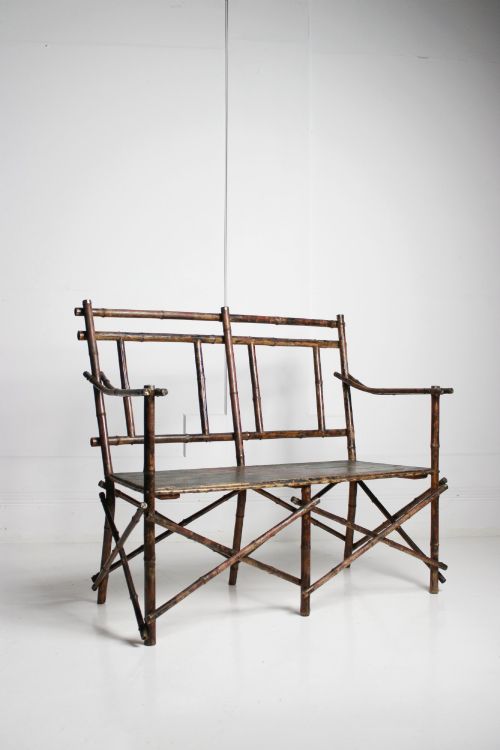
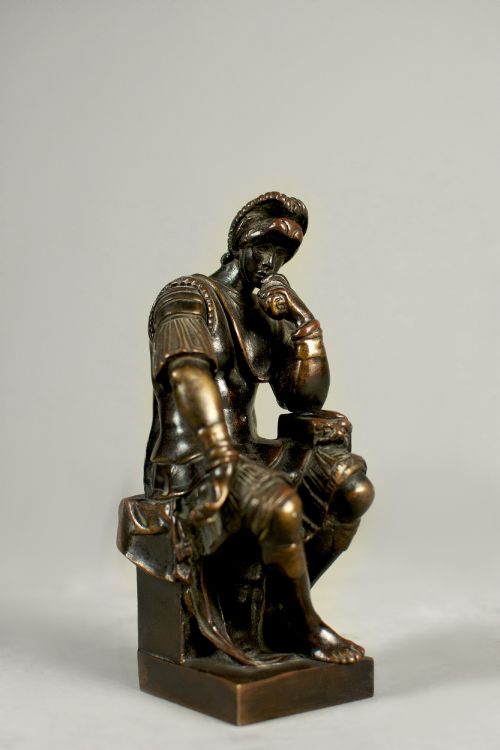
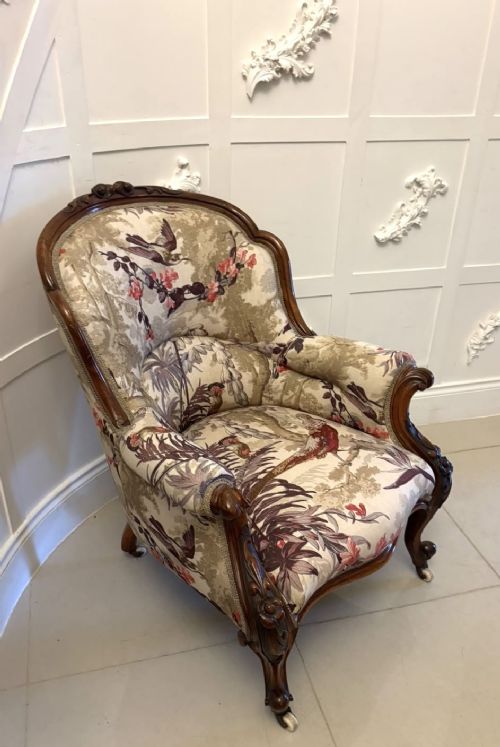
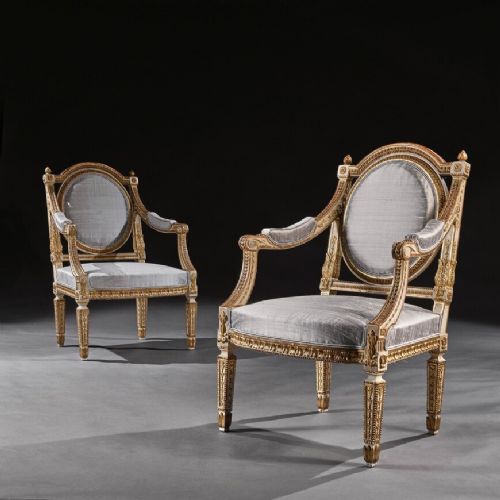
Decorative seating encompasses armchairs, benches, and stools spanning the Victorian period through to the 1930s, offering distinct historic character for modern interiors.
Decorative Seating
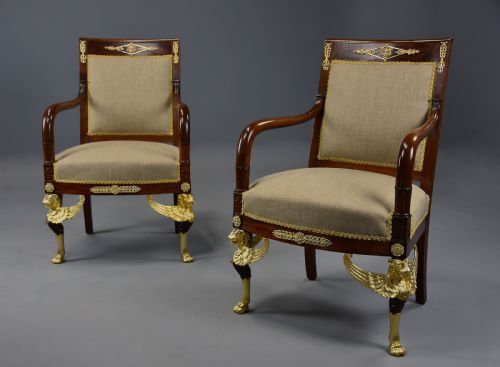
Decorative seating covers a wide variety of functional and ornamental furniture pieces, ranging from indoor salon chairs and window seats to outdoor garden benches. When buyers search for decorative seating, they encounter items shaped by historical design movements such as the Aesthetic Movement, Art Nouveau, and French Empire styles.
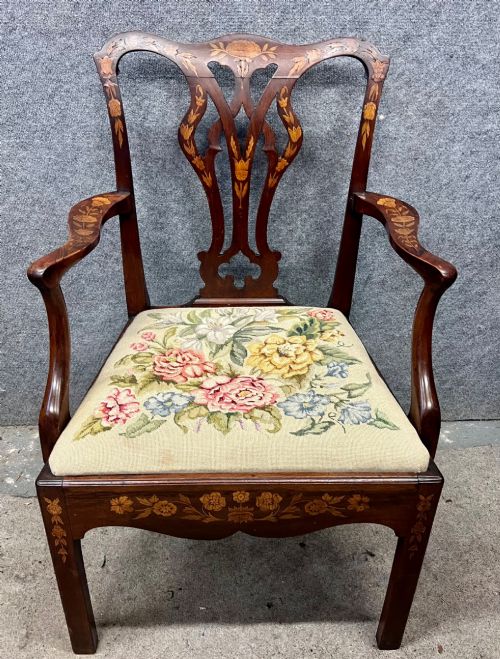
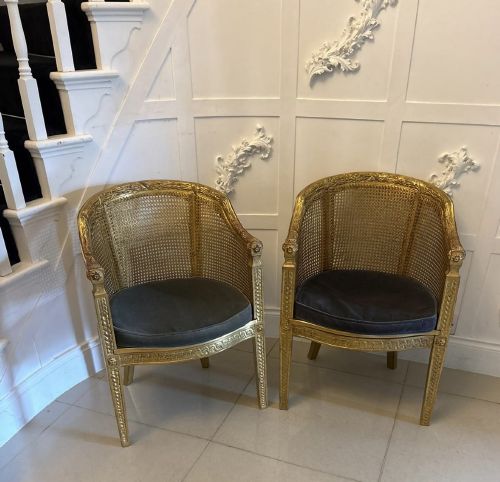
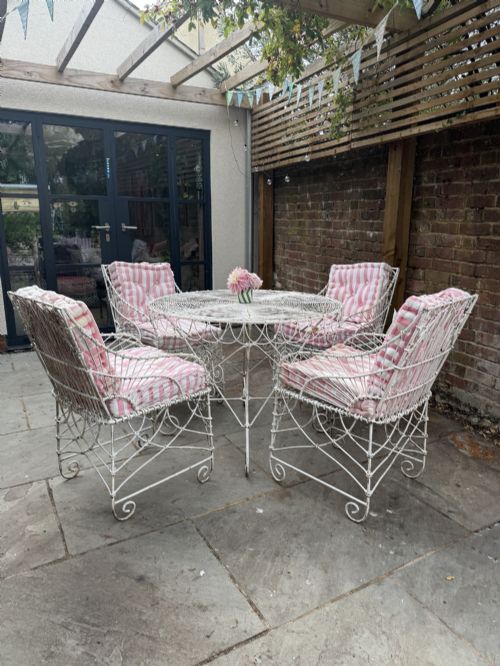
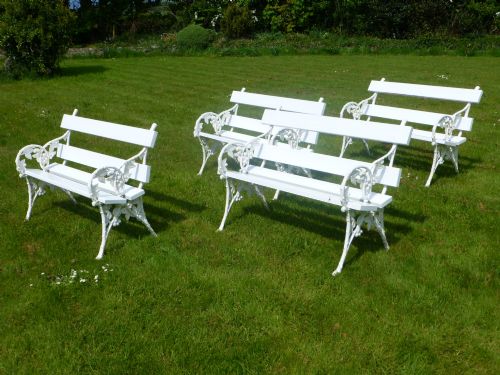
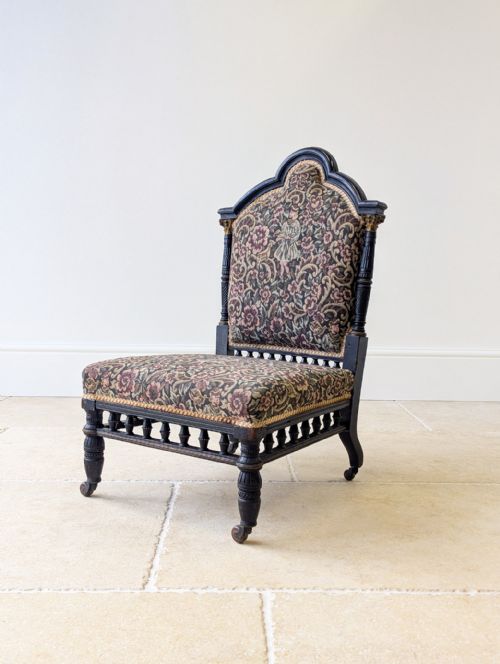
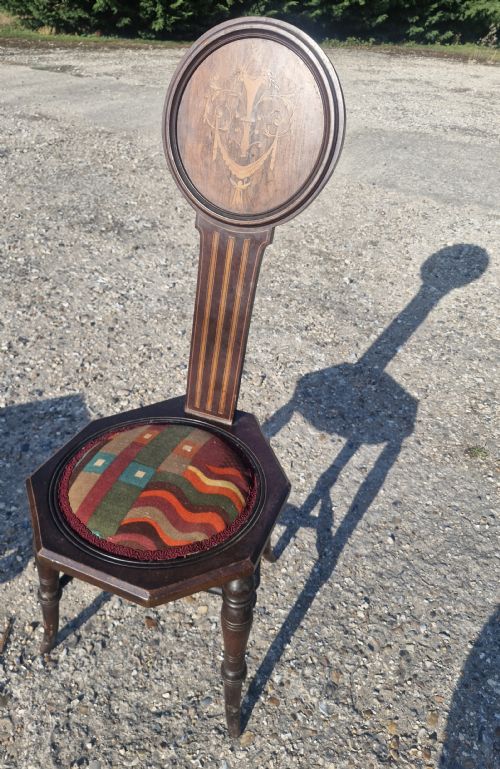
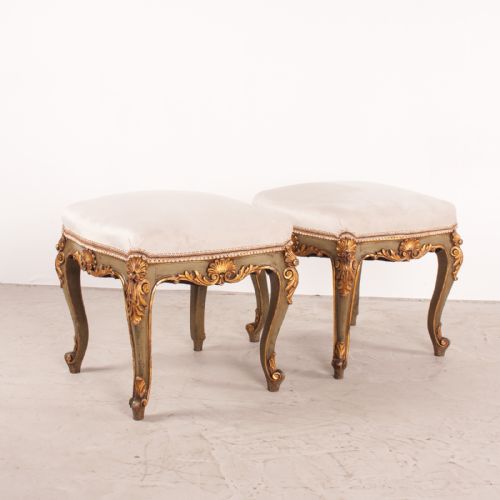
The pieces appearing on this page span the nineteenth and early twentieth centuries, including Victorian, Edwardian, and later examples. Common indoor forms include upholstered armchairs, low salon chairs, and painted stools, while exterior options feature cast iron and wrought iron garden seats.
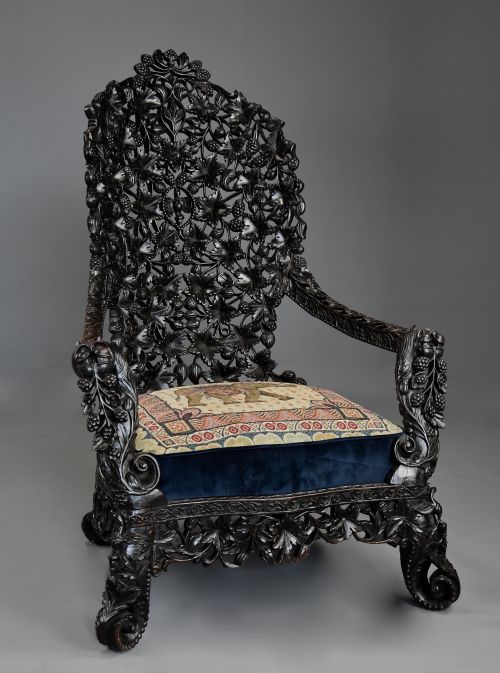
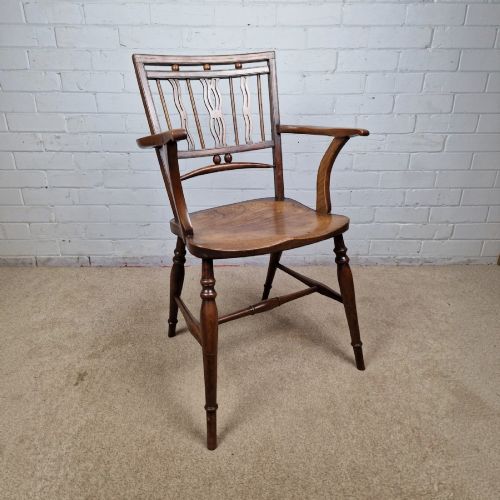
Geographic origins vary significantly among these items, encompassing English, French, Italian, and Chinese craftsmanship. Buyers frequently find specialised regional pieces like Mendlesham chairs, Anglo-Indian blackwood armchairs, and Moroccan painted armchairs alongside standard European forms.
Materials and construction methods
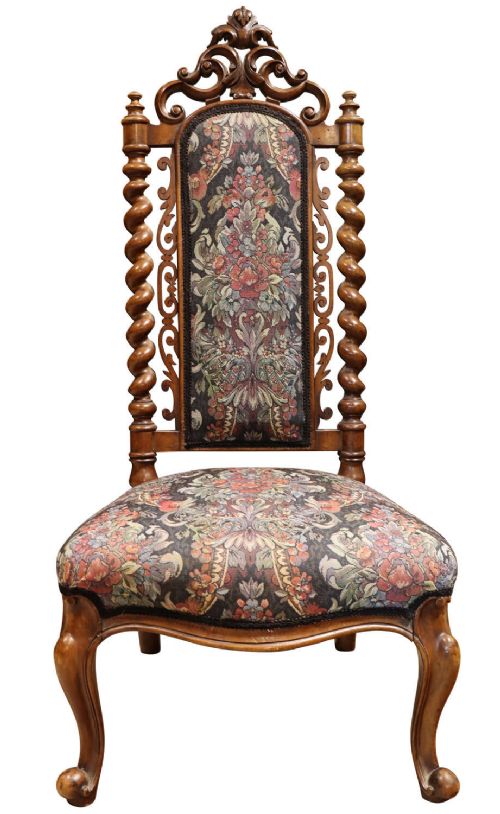
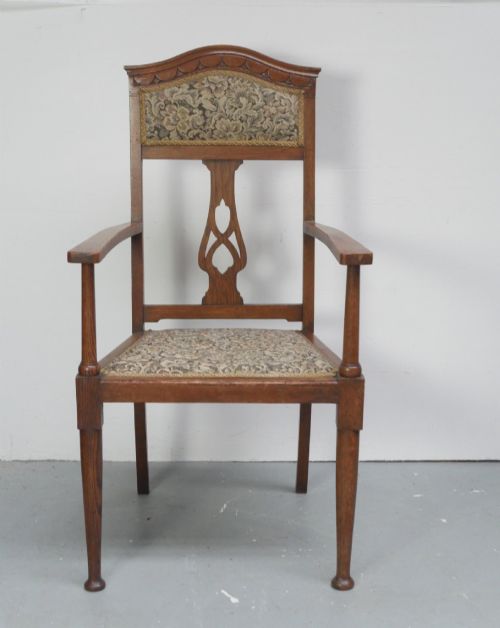
Makers utilised a diverse selection of woods including mahogany, walnut, oak, and limewood, often applying paint, gilding, or ebonisation to achieve specific decorative effects. Upholstered pieces rely on traditional fabrics, tapestry, and woven leather secured to sturdy timber frames.
Metal elements form a crucial component of many items, with cast iron and wrought iron utilised extensively for robust garden benches and rocking chairs, while brass and gilt metal appear on refined indoor salon furniture. Foundry work and hand-forging define the metal structures of the nineteenth and early twentieth centuries.
Intricate carving defines much of the woodwork, from floral motifs on European walnut to detailed figural work on Chinese blackwood and Asian animal seats. Papier-mâché and ceramic ironstone also feature in specialised seating and garden furniture.
Decorative Seating Retail Price Guide 2026
Typical asking prices for decorative seating among the pieces listed under this phrase on Sellingantiques today, from the lower quarter to the upper quarter. They describe what is for sale here now, not the wider market.
Listings feature woods such as mahogany, walnut, and oak, alongside metals like cast iron, wrought iron, and brass.
Factors determining quality
The distinction between standard items and superior pieces rests upon the depth and crispness of the hand-carving or the finesse of the painted and gilded surfaces. Items featuring complex decorative motifs executed with precision stand apart from simpler commercial productions.
Material selection and structural integrity dictate longevity, particularly in pieces subjected to regular use or outdoor weathering such as garden benches. Original surface treatments and minimal alteration preserve the historical authenticity valued by collectors.
Falkirk foundry·Hans Müller·Zhu Mao Ji
The Decorative Seating Glossary
- Settle
- A wooden bench featuring a high back and solid arms, often incorporating storage beneath the seat. These pieces frequently date to the Victorian or Edwardian periods.
- Aesthetic Movement
- A late nineteenth-century design style emphasising visual beauty over narrative subject matter. Furniture from this period often utilised ebonised finishes and minimalist lines.
- Giltwood
- Timber that has been coated with a thin layer of gold leaf. This technique was frequently applied to eighteenth and nineteenth-century Continental salon chairs.
Decorative Seating: Frequently Asked Questions
What periods do these pieces come from?
The available items predominantly date from the nineteenth and early twentieth centuries. This includes Victorian, Edwardian, and 1930s examples.
Craftsmanship from these eras reflects shifting design preferences, moving from ornate revival styles to cleaner modernist lines.
Where were these chairs used historically?
Indoor pieces like salon chairs and window seats belonged in formal drawing rooms, parlours, and bedrooms. They served both as functional seating and decorative accents.
Outdoor garden benches, metal rocking chairs, and iron seats were designed for courtyards, lawns, and verandas, built to withstand the elements.
How do I care for antique wood seating?
Keep wooden and upholstered furniture away from direct sunlight and strong heat sources to prevent timber cracking and fabric fading. Dust regularly with a dry cloth.
Avoid chemical polishes that can damage historic finishes like gilding, paint, or ebonisation over time.
Can iron garden benches stay outside?
Cast iron and wrought iron garden seats are constructed for outdoor use, though prolonged exposure to moisture can cause surface rust. Regular inspection helps monitor weathering.
Many owners choose to store metal garden furniture under cover during severe winter months to preserve the paint and structure.