

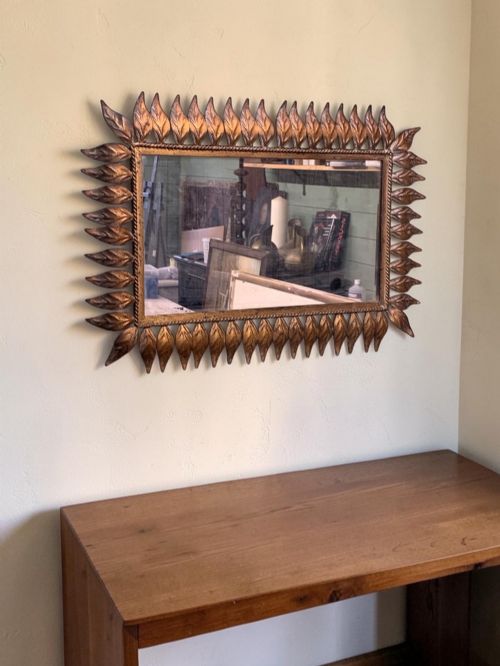
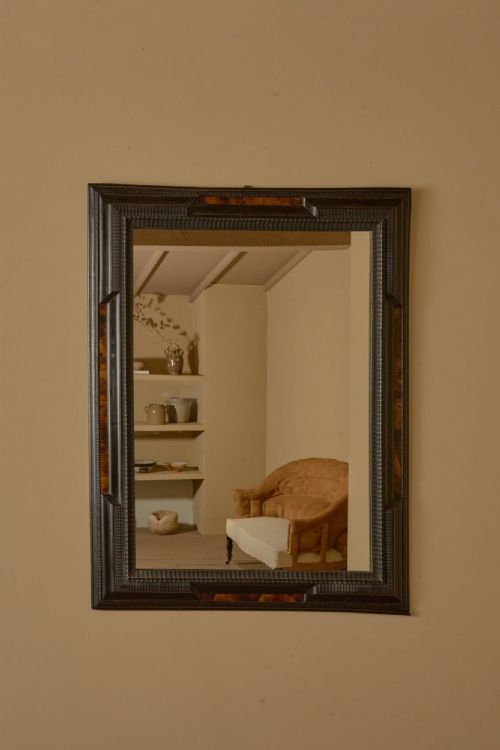
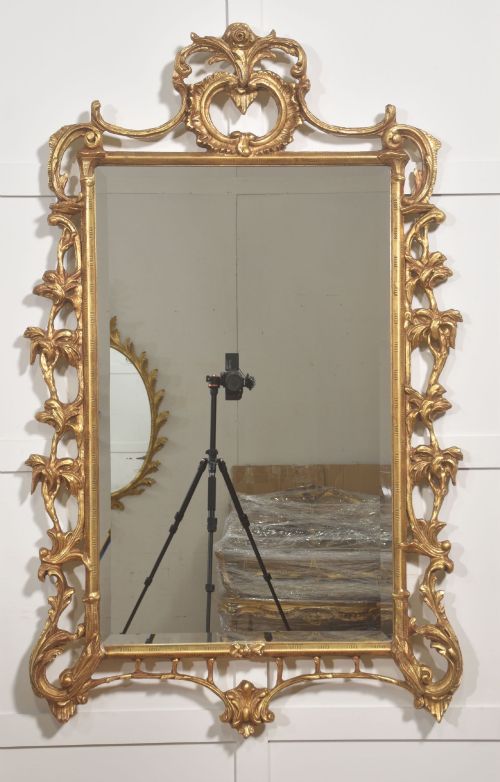
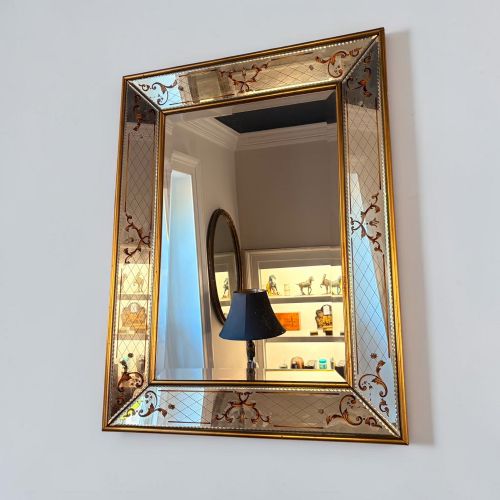



Decorative Rectangular Wall Mirror
A decorative rectangular wall mirror brings proportion and reflected light to a room, drawing the eye with carved frames and aged glass.
Decorative Rectangular Wall Mirror
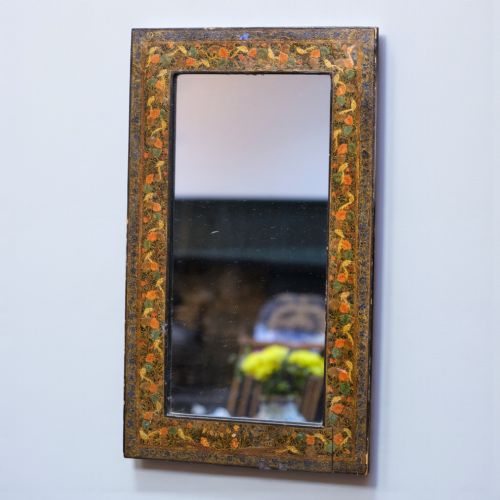
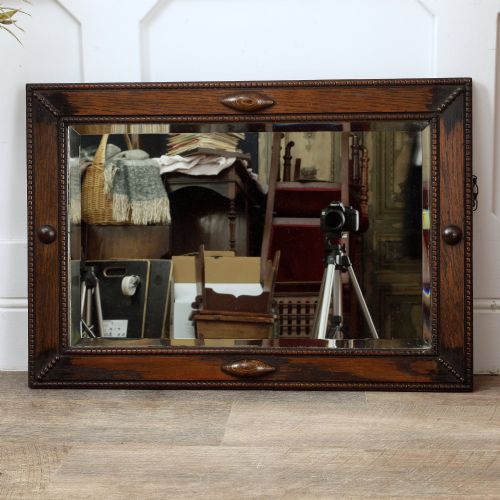
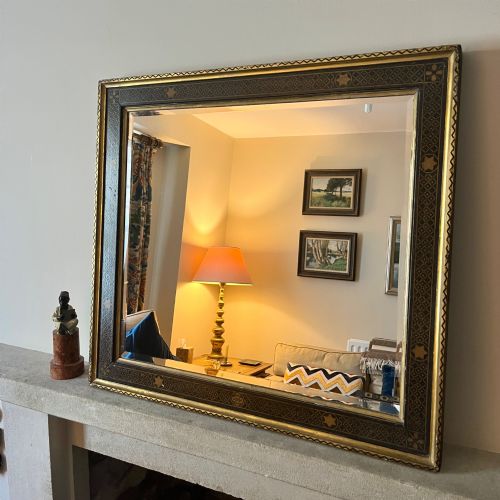
A decorative rectangular wall mirror is a functional furnishing shaped in predictable proportions to hang vertically or horizontally in a room. When buyers search for this phrase, they encounter pieces stretching from the mid-nineteenth century through the Edwardian years and into the art deco period.
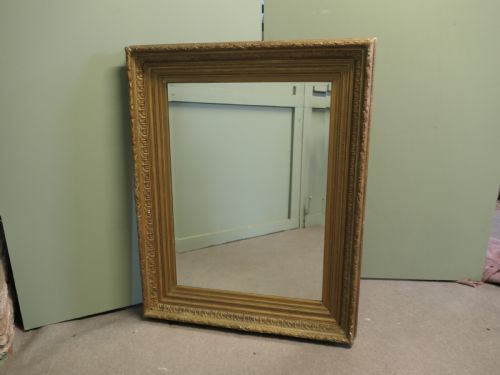
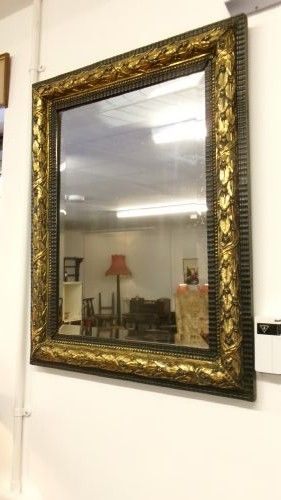
The version most commonly met on this page is the nineteenth century giltwood or gesso frame, often detailed with flowers, leaves, or classical moulding. These range from modest chamber glasses to large overmantels designed to sit above a fireplace.
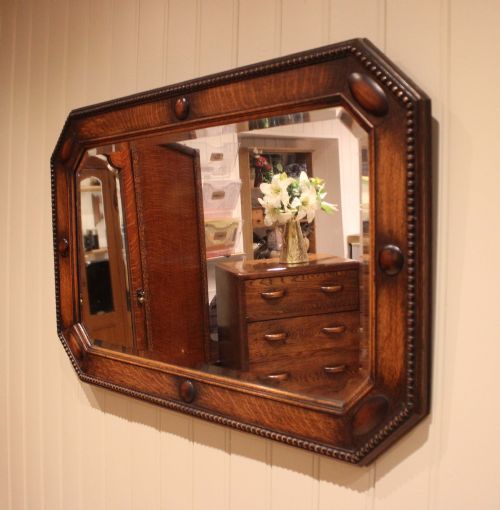
Beyond gilded wood, the selection includes oak, walnut, rosewood, and repoussé copper frames reflecting movements such as arts and crafts and neoclassical design. Regional varieties from Italy, France, and Spain appear alongside English workshop pieces.
Materials and construction
Frames rely on timber foundations like oak, pine, mahogany, and walnut, sometimes shaped with applied gesso or carved directly into floral and leaf motifs. Giltwood examples receive layers of gold leaf over preparation gesso and bole on a wooden base.
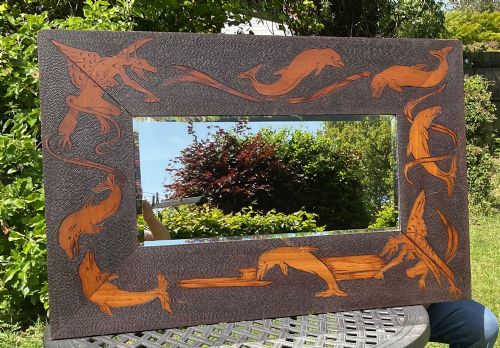
Metalwork frames utilise cast brass or hand-hammered copper, frequently incorporating repoussé relief work with dragons, dolphins, or cabochons. Inlays of ivory and exotic woods like shisham and kingwood add contrasting detail to surface borders.
Mirror glass of the period is silvered by hand or machine, displaying natural foxing, oxidation, and surface etching that mark its age. Some pieces retain their original mirror plates, while others hold replacement glass fitted during later upkeep.
Decorative Rectangular Wall Mirror Retail Price Guide 2026
Typical asking prices for decorative rectangular wall mirror among the pieces listed under this phrase on Sellingantiques today, from the lower quarter to the upper quarter. They describe what is for sale here now, not the wider market.
Dolphins and dragons occasionally peer out from arts and crafts copper frames, watching the room with wide metal eyes.
Judging quality and execution
Quality rests in the crispness of the hand-carved detail on wooden and gesso frames, where deeper undercutting and refined proportions distinguish superior workshop output from standard commercial production. The depth and integrity of the gilding over the gesso ground also determine the visual weight of the piece.
Materials dictate the tier of the object, with dense hardwoods, substantial copper gauge, and specialised inlays separating simpler pine or painted items from fine cabinetmaker work. Signed pieces or distinct artistic attribution elevate the standing of a mirror significantly.
A.J Rowley
The Decorative Rectangular Wall Mirror Glossary
- Gesso
- A plaster-like mixture applied to wood frames to provide a smooth surface for gilding or painting. It is built up in layers before being carved or stamped with decorative motifs.
- Giltwood
- Timber coated with thin leaves of gold over a prepared ground. This technique gives frames a luminous metallic finish that catches interior light.
- Repoussé
- A metalworking technique where thin copper or brass is hammered from the reverse side to form a raised design in relief. It is characteristic of arts and crafts metalwork.
- Overmantel
- A large mirror specifically proportioned to hang on the wall directly above a fireplace mantelpiece. These often feature extended horizontal formats and ornate upper crests.
- Foxing
- The natural age-related spots and discoloration that develop within the silver backing of older mirror glass. Collectors view this chemical degradation as proof of period authenticity.
- Cabochon
- A polished, convex gemstone or glass cabochon set directly into a frame as an ornamental accent. They appear frequently on arts and crafts copper mirrors.
Decorative Rectangular Wall Mirror: Frequently Asked Questions
How do I hang a heavy overmantel mirror?
Heavy overmantel mirrors require direct attachment to wall studs using robust steel brackets or mirror plates screwed securely into the wooden frame backing.
Because nineteenth-century frames carry considerable weight from wood and gesso, professional installation into structural masonry or timber framing is essential for safety.
Are the mirror plates original?
Many mirrors retain their original glass, which often displays characteristic foxing, minor scratches, and slight distortion from historical manufacturing methods.
Some pieces have received replacement glass over the decades to maintain a clearer reflection, which is common for items of this age.
How do I clean an antique gilt frame?
Gilt frames require very gentle dusting with a soft, dry brush to remove surface particulate without disturbing the delicate gold leaf or gesso.
Water and chemical cleaning agents must be avoided entirely, as moisture strips the historical finish from the wooden substrate.
What rooms suit a rectangular wall mirror?
Rectangular mirrors function well above mantelpieces, sideboards, or console tables where their horizontal or vertical lines balance surrounding furniture.
Placed opposite windows, they amplify natural daylight and create an impression of greater depth in smaller reception rooms or hallways.