




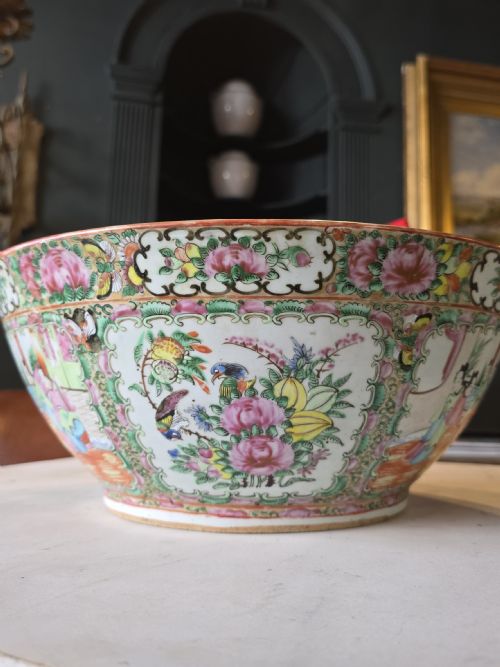
Decorative Punch Bowl
A decorative punch bowl brings scale, colour and narrative to a room, drawing the eye with hand-painted scenes and rich ceramic glazes.
Decorative Punch Bowl
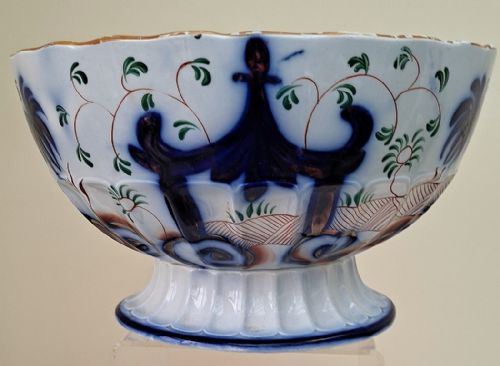
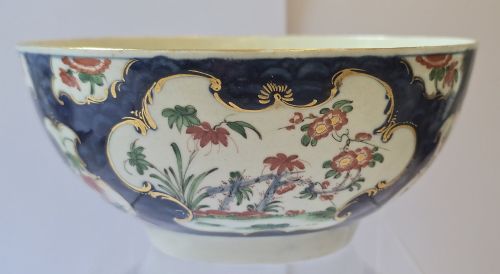
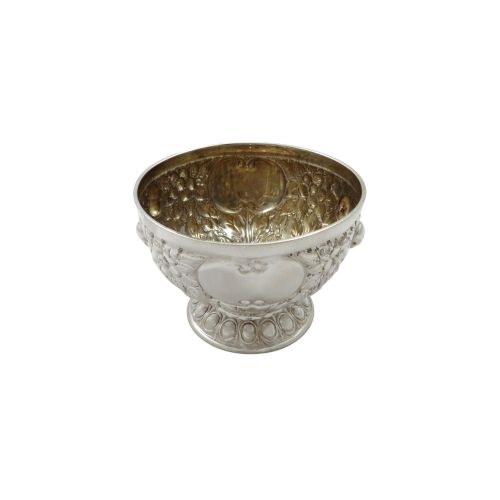
A decorative punch bowl serves as a grand table centrepiece, originating from historical forms designed for communal hospitality and large gatherings. Buyers seeking this phrase encounter substantial ceramic vessels intended primarily for display rather than service.
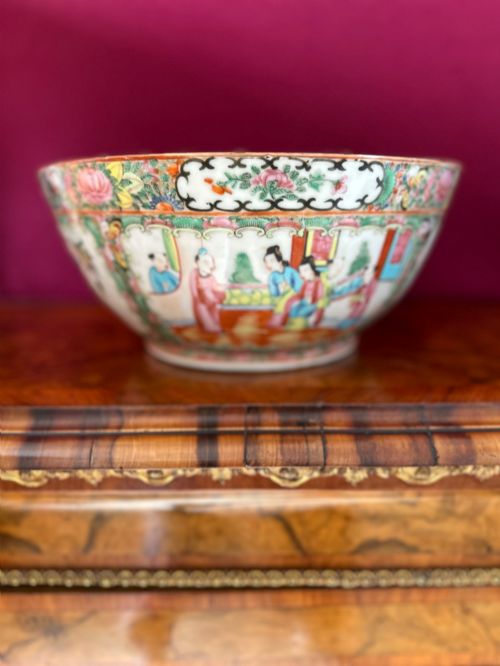
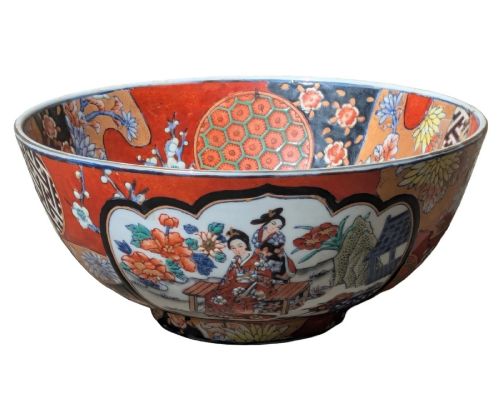
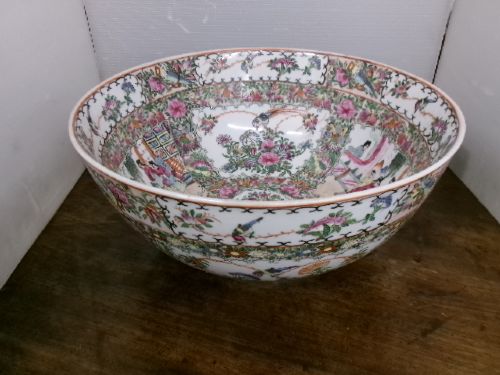
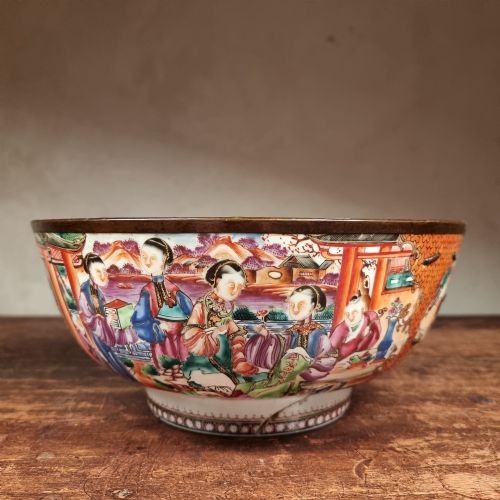
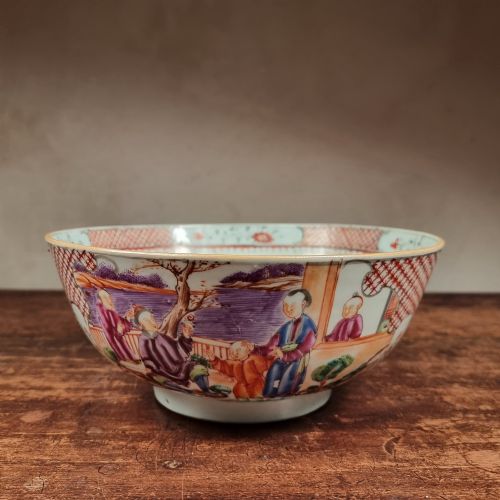
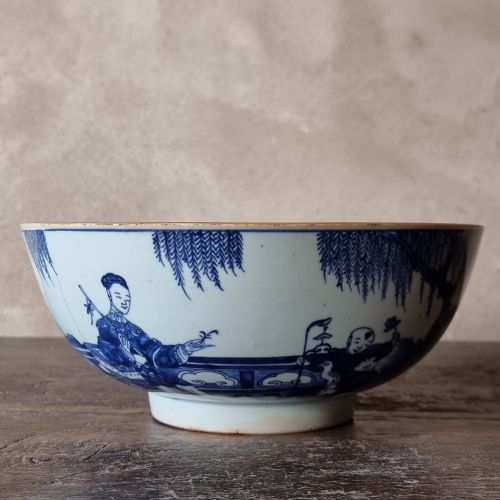
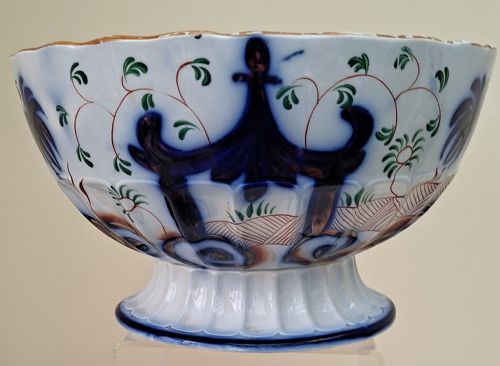
The selections span centuries, featuring 18th-century Chinese export wares alongside 19th-century Japanese Imari porcelain and Victorian earthenware. Pieces range from scalloped footed bowls to large Canton hand-painted designs decorated with intricate floral and figural motifs.
Asian export porcelain dominates the surviving forms, particularly Japanese Imari patterns and Chinese Famille Rose palettes. European makers also contributed revival styles and earthenware interpretations during the Victorian and Edwardian eras.
Materials and production methods
Production relies heavily on porcelain and earthenware bodies, shaped by hand or moulded before kiln firing at high temperatures. Cobalt blue underglaze decoration frequently provides the foundational design on traditional Chinese and Japanese pieces.
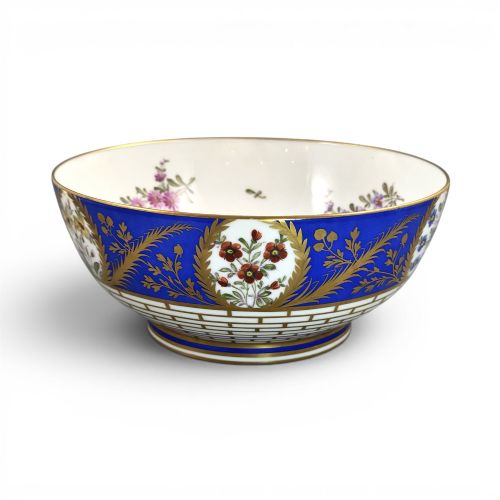
Overglaze enamel painting adds vibrant palettes of pinks, greens and oranges, often complemented by hand-applied gilding and gold leaf accents. Specialised pottery techniques produce distinct textured surfaces, such as the micro-patterned millefleur style found on Satsuma wares.
Decorative Punch Bowl Retail Price Guide 2026
Typical asking prices for decorative punch bowl among the pieces listed under this phrase on Sellingantiques today, from the lower quarter to the upper quarter. They describe what is for sale here now, not the wider market.
Listings feature porcelain and earthenware materials decorated with cobalt glaze, gold leaf and hand-painted enamel motifs.
Assessing craftsmanship and finish
Quality rests upon the precision of the hand-painted detail and the clarity of the ceramic glaze. Superior examples display crisp brushwork in figural and floral panels without blurring or pooling in the pigment.
The weight of the porcelain body and the richness of the gilding separate standard production pieces from exceptional items. Fine bowls maintain structural balance and symmetry despite their large diameters.
Doulton Burslem·Ryuzan·Samson·François-Eugène Rousseau·Baccarat·Wedgwood·Daisy Makeig-Jones
The Decorative Punch Bowl Glossary
- Imari
- A style of Japanese porcelain featuring a distinctive palette of underglaze blue, iron red and gold. These pieces were heavily exported to Europe from the late 17th century onwards.
- Famille Rose
- A major palette of Chinese ceramic glazes introduced during the Qing dynasty, characterised by opaque pink enamels. The style depicts elaborate scenes of figures, birds and flowers.
- Canton
- A classification of Chinese export porcelain decorated in workshops near the city of Canton, typically featuring vibrant panels of people and foliage. The brushwork is often bold and densely packed across the surface.
- Footed bowl
- A vessel raised on a distinct pedestal base or circular foot ring. This construction lifts the central bowl to create a more prominent silhouette on a table or cabinet.
- Gilding
- The application of gold leaf or powdered gold paint to the surface of ceramics or metal. It highlights rims, handles and decorative borders.
Decorative Punch Bowl: Frequently Asked Questions
How were these bowls originally used?
Historical punch bowls held mixed drinks for large social gatherings, filled with spirits, fruit and water. Servants ladled the liquid into individual cups for guests during formal occasions.
Over time, many of these vessels transitioned from dining tables to decorative drawing-room display pieces. Their generous proportions made them ideal for holding potpourri or simply showcasing intricate artistry.
How do I display a large bowl safely?
A substantial bowl requires a sturdy surface with adequate depth to prevent accidental tipping. Placing the piece on a dedicated wooden stand helps distribute weight and protects the base.
Keep these vessels away from direct sunlight to preserve the vibrancy of hand-painted enamel colours. Avoid high-traffic areas where people might brush against the rim.
How do I date an antique porcelain bowl?
Dating relies on examining the characteristics of the ceramic body, glaze composition and painting style. Base markings, where present, offer clues to the period of manufacture and the producing kiln.
Comparing the decorative motifs against documented export styles helps narrow the era of production. Subtle variations in potting techniques distinguish 18th-century pieces from later 19th-century revivals.
Are these bowls safe for serving food?
Historic decorative bowls often feature lead-based overglaze enamels and porous ceramic bodies. These materials can absorb liquids or leach chemicals when exposed to acidic foods or alcohol.
Modern use is generally restricted to dry presentation or purely visual display. Gentle cleaning with lukewarm water suffices for maintenance without harsh detergents.