






Decorative Pottery Figures
These decorative pottery figures bring character and colour to a room through centuries of diverse global craftsmanship.
Decorative Pottery Figures
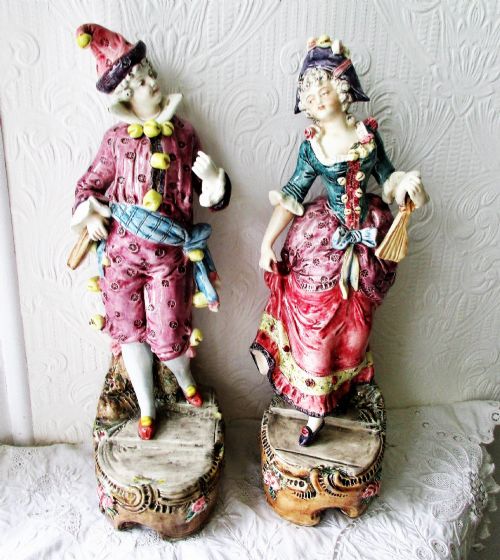
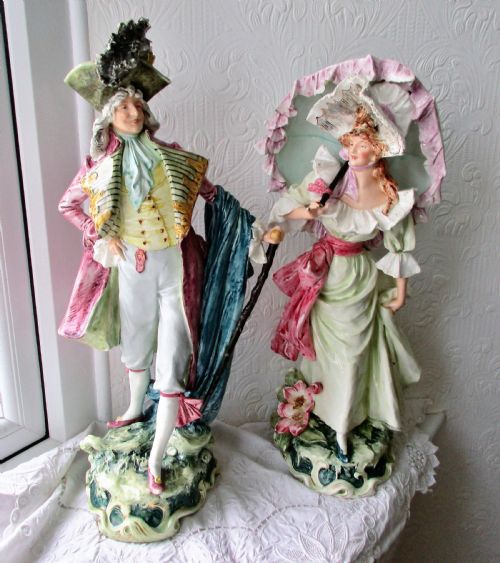
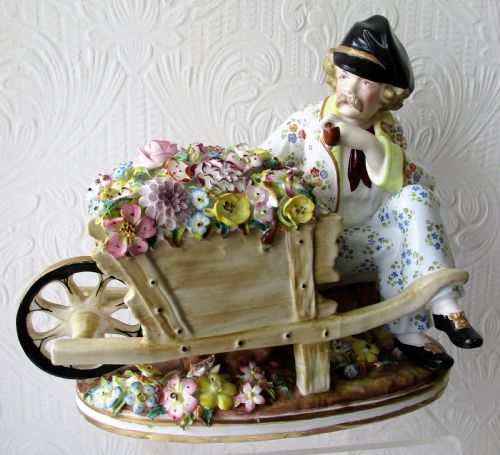
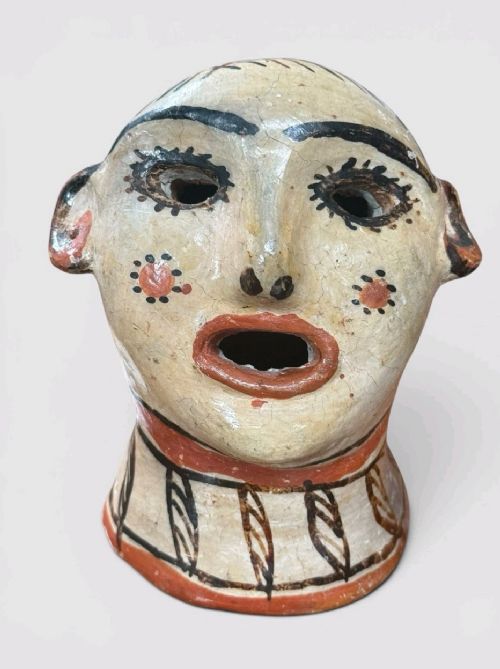
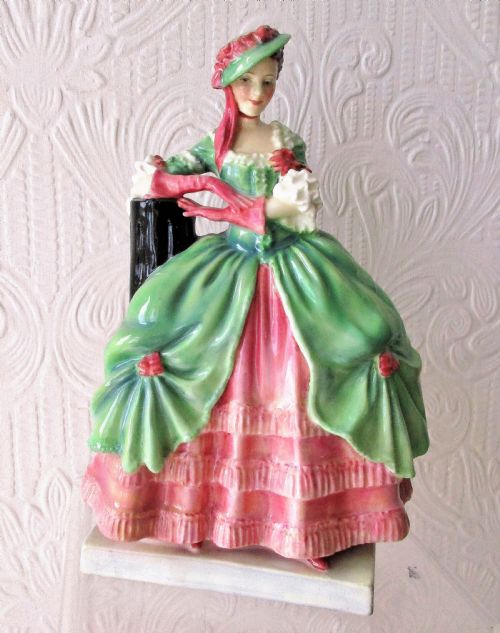
Decorative pottery figures encompass a broad sweep of sculptural ceramics, ranging from English Staffordshire flatbacks and French earthenware to Japanese Satsuma okimono and Chinese sancai glazed animals.
Buyers seeking decorative pottery figures will encounter everything from utilitarian vessels carrying applied figures to standalone human and animal subjects shaped in clay, earthenware, porcelain, and terracotta.
The selections span distinct cultural traditions, moving from nineteenth-century European factories to Meiji period Japanese studios and earlier Asian aesthetics.
How they were made
Makers shaped these pieces using earthenware, porcelain, terracotta, and ceramic bodies, often building forms by hand or pressing clay into moulds.
Surface decoration relies heavily on coloured glazes, enamel paints, slip painting, lead glazes, and occasional applications of gold leaf to accentuate fine details.
Decorative Pottery Figures Retail Price Guide 2026
Typical asking prices for decorative pottery figures among the pieces listed under this phrase on Sellingantiques today, from the lower quarter to the upper quarter. They describe what is for sale here now, not the wider market.
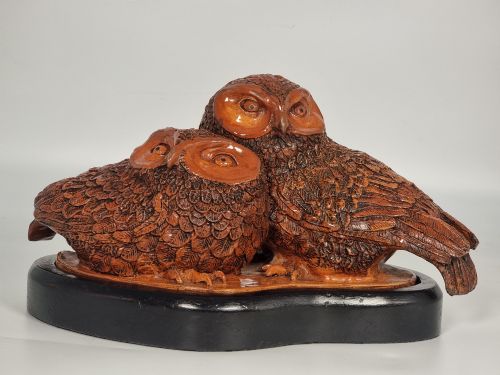
A pottery gnome sits proudly alongside majestic lions, haughty ducks, and watchful owls.
What varies in quality
Quality rests in the crispness of the modelling and the precision of the hand-painted details, separating mass-produced items from finely worked studio pieces.
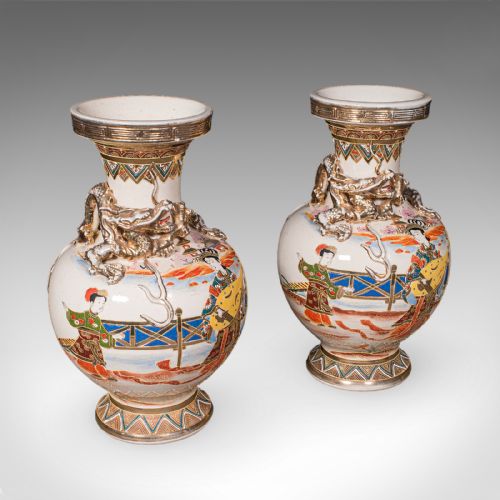
The depth and richness of the glaze, whether a vibrant majolica finish or intricate Satsuma gilding, define the visual impact of the work.
John Bevington·Royal Doulton·Goldscheider·Kinkozan·Minton
The Decorative Pottery Figures Glossary
- Satsuma
- A type of Japanese earthenware featuring a pale, ivory-crackled glaze decorated with intricate enamel and gilt designs.
- Staffordshire flatback
- A nineteenth-century English pottery figure moulded primarily on the front with a flat, unpainted back meant for display against a wall.
- Majolica
- A colourful, tin-glazed earthenware developed in the nineteenth century that yields rich, glossy hues.
- Okimono
- A small Japanese decorative carving or sculptural object traditionally displayed in an alcove.
- Sancai
- A traditional type of Chinese three-colour glaze predominantly utilising amber, green, and creamy white tones.
Decorative Pottery Figures: Frequently Asked Questions
How do I identify a Staffordshire flatback?
Staffordshire flatbacks are typically recognised by their hollow construction and unglazed flat backs designed to sit on mantelpieces. They often depict historical figures, animals, or pastoral scenes common in nineteenth-century homes.
These pieces were made in large quantities in England and rely on bright underglaze colours and gilt highlights for their decorative appeal.
What is Satsuma ware?
Satsuma ware is characterised by its distinctive ivory-coloured, finely cracked glaze that provides a canvas for detailed polychrome and gold artwork. Originating in Japan, these items include vases, bowls, and figural okimono.
The style gained immense popularity in the West during the Meiji period, leading to substantial export production.
How should I clean ceramic figures?
Dust these ceramic and porcelain pieces gently with a soft, dry brush to prevent accumulation. Avoid using water or chemical cleaners, particularly on items with delicate enamels or gold leaf.
Older earthenware and unglazed terracotta can be porous, making moisture harmful to the integrity of the clay and the surface paint.
Are these figures glazed?
Many of these pieces feature protective finishes such as lead glazes, tin glazes, or clear ceramic coatings. These glazes seal the porous clay body underneath and impart a glossy or satin sheen.
Some unglazed terracotta or clay sculptures rely on the natural texture of the fired material rather than a glossy surface.