



Decorative Porcelain Plaque
A decorative porcelain plaque brings painted colour and ceramic form into a room, offering miniature portraits, mythological scenes and floral studies mounted for display.
Decorative Porcelain Plaque
A decorative porcelain plaque comprises fired ceramic panels painted with figurative subjects, mythological narratives or floral arrangements, often mounted in frames, trays, book slides or furniture. These pieces span the nineteenth century and early twentieth century, showing influences from French, Austrian and English makers.
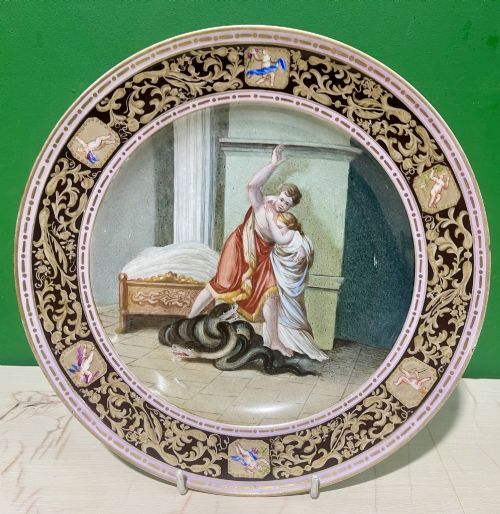
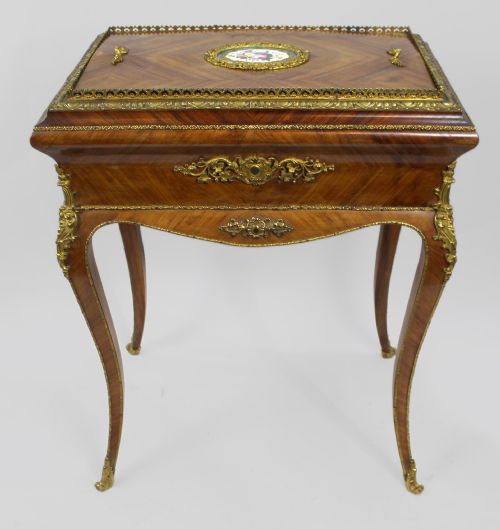
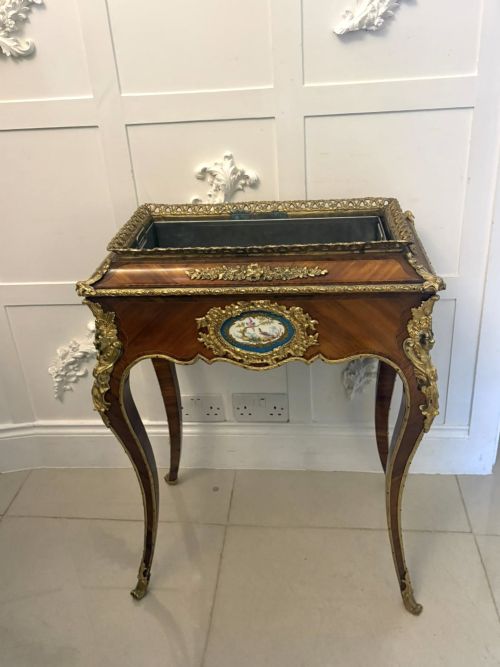
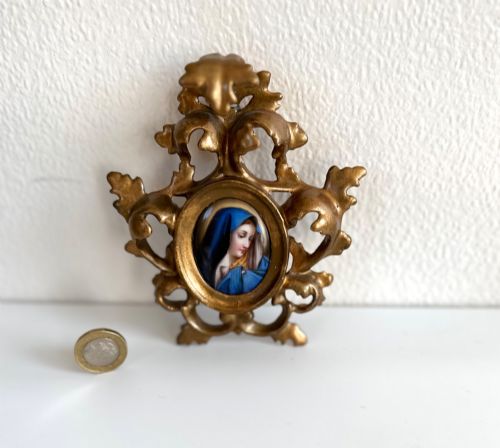
The forms range from circular cabinet plates and chargers to rectangular wall art, inset furniture plaques and miniature portraits. Pieces frequently combine fine ceramic bodies with gilt bronze, ormolu mounts, kingwood or brass frames.
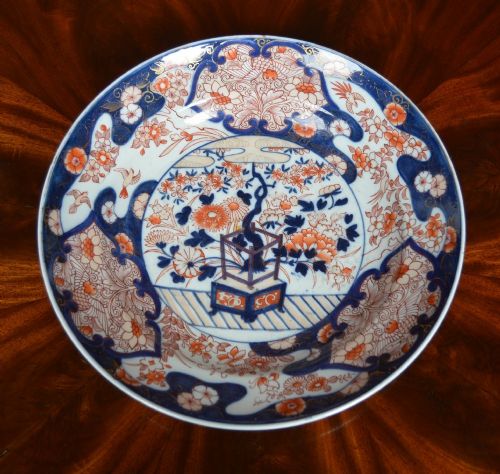
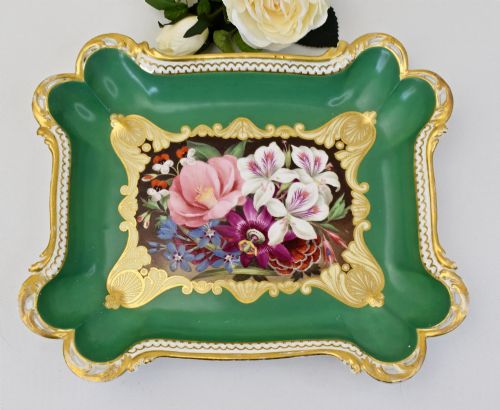
The selection here encompasses Victorian porcelain trays, Japanese Imari chargers, pate-sur-pate panels and hand-painted wall plaques. Each item demonstrates the nineteenth-century preference for integrating painted ceramic art into domestic interiors and decorative objects.
Materials and methods of manufacture
Makers utilised fine porcelain bodies, enamel colours and gilding to create detailed pictorial surfaces, frequently applying gold leaf and ormolu mounts to frame the ceramic work. Cabinet plates and wall plaques relied on precise kiln firing to set hand-painted pigments and intricate pate-sur-pate designs.
Carpentry and metalwork complemented the ceramics, incorporating kingwood, brass and wood into jardinieres, book slides and stands that housed the porcelain plaques. Artisans combined these mixed media to produce robust decorative objects suited for nineteenth-century display.
Decorative Porcelain Plaque Retail Price Guide 2026
Typical asking prices for decorative porcelain plaque among the pieces listed under this phrase on Sellingantiques today, from the lower quarter to the upper quarter. They describe what is for sale here now, not the wider market.
Listings feature Victorian, Meiji period and nineteenth-century pieces, incorporating porcelain, enamel, gold leaf, kingwood, ormolu and brass.
Markers of distinction and craftsmanship
The distinction between standard items and superior examples lies in the precision of the hand-painted detail, the complexity of the figural or mythological subject matter, and the quality of the surrounding ormolu or kingwood mounts. Skilled artists achieved greater depth of tone and expression in portraiture and narrative scenes.
The integration of the ceramic plaque into its mounting structure demonstrates the level of workshop execution, with superior pieces showing seamless carpentry and metalwork that complements rather than overpowers the porcelain centrepiece.
Doe and Rogers·Royal Vienna·Royal Worcester·Mintons·Sevres
The Decorative Porcelain Plaque Glossary
- Porcelain plaque
- A flat or slightly curved ceramic panel intended for visual display rather than dining use. These items often feature hand-painted mythological or floral subjects.
- Pate-sur-pate
- A method of ceramic decoration where successive layers of liquid clay slip are built up on a contrasting dark body to create a low-relief cameo effect.
- Ormolu
- Gilded bronze mounts applied to furniture, clocks and ceramic pieces during the nineteenth century to enhance decorative richness.
- Charger
- A large decorative plate or platter intended for display on a wall, cabinet or sideboard rather than practical table service.
- Imari
- Japanese porcelain decorated in underglaze blue, iron red, gold and auxiliary colours, widely collected and emulated in the nineteenth century.
Decorative Porcelain Plaque: Frequently Asked Questions
How were decorative porcelain plaques displayed in homes?
Plaques were mounted in wooden book slides, inset into French kingwood furniture, or hung directly on walls as framed art.
Cabinet plates and chargers sat upright on specialised stands or shelves where their painted surfaces could catch the light.
What subjects typically appear on these porcelain pieces?
Nineteenth-century plaques frequently depicted classical mythology, historical narratives, portrait miniatures of religious figures, and botanical studies.
Japanese examples often featured traditional Imari patterns, dragons, or birds such as the Ho-o phoenix.
How do I distinguish between Vienna and Sevres porcelain?
Vienna pieces from this era often display detailed mythological scenes with rich gilding and titled subjects on the reverse.
Sevres porcelain typically exhibits characteristic French nineteenth-century cabinet plate forms, soft paste qualities, and specific factory markings.
What is the difference between a plate and a plaque?
Plates retain a conventional circular dish form with a defined rim and base, even when intended primarily for decorative display.
Plaques are flat or framed ceramic panels specifically designed as wall art or as decorative inserts for furniture and accessories.