



Decorative Porcelain Basket
These decorative porcelain basket pieces bring hand-painted charm and refined Victorian craftsmanship directly into your home.
Decorative Porcelain Basket
A decorative porcelain basket is a ceramic vessel shaped to mimic woven wicker or natural plant containers, often elevated for display on tables or mantelpieces. These ornamental items emerged strongly during the nineteenth century, reflecting a Victorian desire for intricate table ornaments and floral displays.
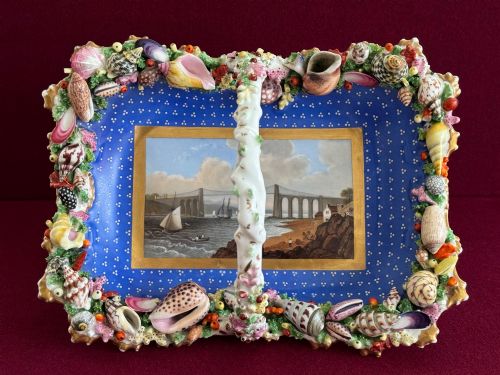
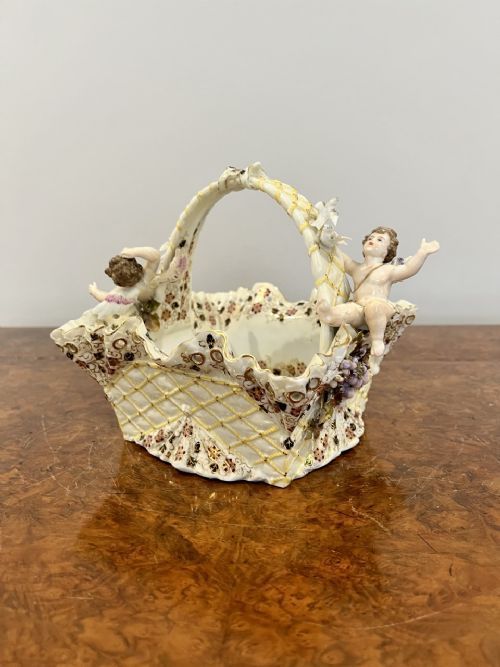
Most examples encountered here date from the Victorian period onwards, capturing revivalist aesthetics such as Rococo and Neo-Classical designs. Makers utilised delicate ceramic forms to create centrepieces, sometimes incorporating applied flowers, cherubs, or hand-painted topographical views.
How they were made
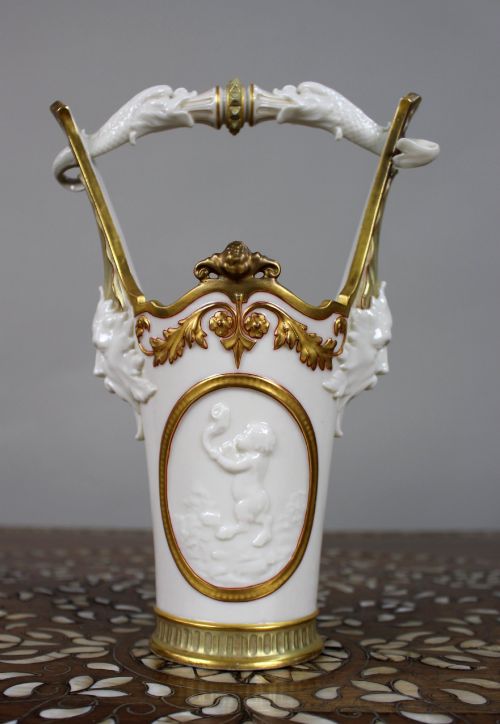
Potters shaped fine ceramic clay into openwork lattices or solid bodies, frequently applying delicate floral elements by hand before firing. Skilled artisans then painted surface details and added gold leaf or gilding to highlight handles, rims, and structural edges.
Factories employed specialised glazing techniques to achieve glossy, smooth finishes across porcelain surfaces. Some pieces combined ceramic bodies with metallic accents or protective wicker cases for transport and presentation.
Decorative Porcelain Basket Retail Price Guide 2026
Typical asking prices for decorative porcelain basket among the pieces listed under this phrase on Sellingantiques today, from the lower quarter to the upper quarter. They describe what is for sale here now, not the wider market.
Materials recorded across the inventory include porcelain, ceramic, enamel, gold leaf, and wicker.
What varies in quality
The finesse of the modelling dictates much of the visual success, particularly where applied flowers and sculptural cherubs are concerned. Crisply defined lattice patterns and precise hand-painted views distinguish finer cabinet pieces from simpler production items.
The application of gilding and enamel work reveals the skill of the decorator, with well-preserved gold leaf indicating careful historical handling. Superior examples maintain crisp detail in the porcelain weave without distortion from the kiln.
Chamberlain Worcester·Royal Worcester·Rockingham·Schierholz
The Decorative Porcelain Basket Glossary
- Gilding
- The application of gold leaf or gold powder to ceramic surfaces for decorative enhancement. This technique was frequently utilised on handles, rims, and moulded details during the nineteenth century.
- Centrepiece
- A large ornamental object designed to sit in the middle of a dining table or sideboard. These items often feature elaborate porcelain figures or basket forms intended to draw the eye.
- Rococo Revival
- A nineteenth-century design style characterised by asymmetrical scrolls, natural motifs, and ornate curves. It heavily influenced the swirling handles and organic shapes of Victorian porcelain baskets.
- Applied Flowers
- Three-dimensional ceramic petals and blooms modelled by hand and attached to the surface before firing. This painstaking technique adds textural depth to many Victorian decorative vessels.
Decorative Porcelain Basket: Frequently Asked Questions
What were decorative porcelain baskets used for?
These delicate vessels served primarily as ornamental display pieces on dining tables, sideboards, and drawing-room mantelpieces during the nineteenth and early twentieth centuries.
While some sturdy forms could hold dried flowers or fruit, most were created purely to showcase ceramic artistry and add refined elegance to formal interiors.
How do I date a porcelain basket?
Dating relies on examining the factory marks, glaze characteristics, and stylistic traits such as Victorian Rococo revival curves or Edwardian neoclassical details.
Comparing the painting style and hand-finished motifs with known production periods helps narrow down the decade of manufacture.
Are these porcelain baskets fragile?
Fine ceramics and delicate applied flowers require careful handling and stable placement away from high-traffic household areas.
Keeping them on secure surfaces prevents accidental knocks to protruding handles or intricate three-dimensional decorative elements.
How should I clean porcelain baskets?
Dusting gently with a soft, dry artist brush is the safest method to remove particulate matter from intricate woven lattice sections and applied flowers.
Avoiding harsh cleaning agents and water immersion protects fragile enamel paints and historical gold leaf detailing from degradation.