



Decorative Plant Holder
These decorative plant holder pieces bring greenery indoors with style, spanning Victorian brass to Edwardian wood.
Decorative Plant Holder
A decorative plant holder encompasses a range of jardinieres, planters, and plant stands designed to display flowers and foliage within the home or conservatory. Buyers searching for this phrase seek vessels that elevate ordinary greenery into a deliberate interior arrangement, drawing on historical forms from the nineteenth and early twentieth centuries.
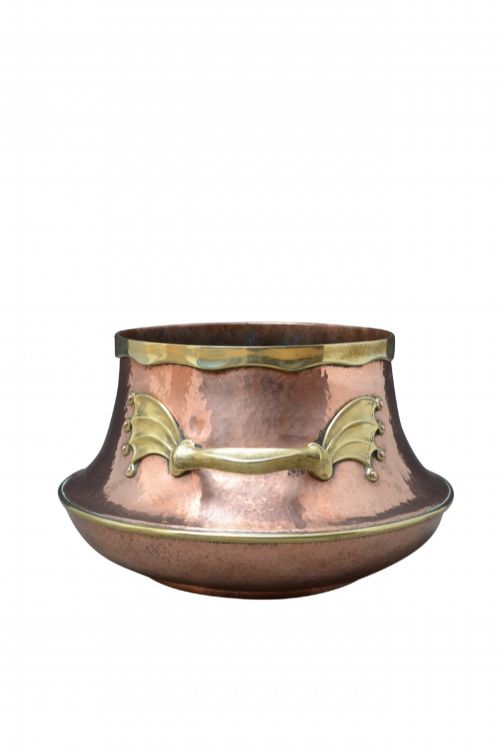
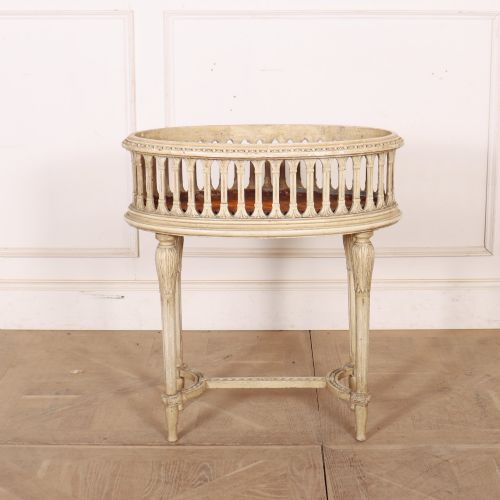
The versions most frequently met on this page include cylindrical brass and copper vessels from the Victorian period, alongside coopered oak and mahogany stands from the Edwardian era. Pieces range from simple hammered metal bins to elaborate stands featuring French styling and ceramic inserts.
Origins stretch across English country houses, French salons, and Dutch workshops, offering variety in both scale and decorative detail. Whether standing on dedicated legs or resting as a table jardiniere, each piece reflects the domestic priorities of its period.
How they were made
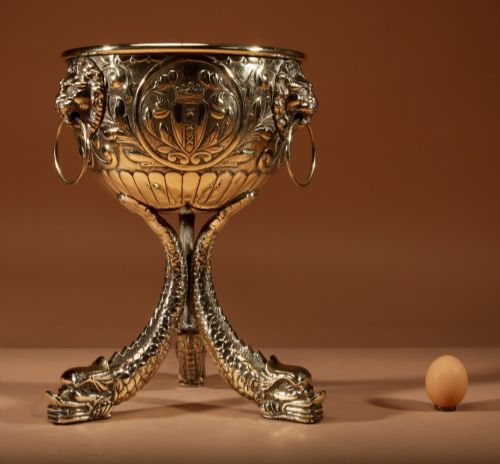
Metals such as brass, copper, and silver plating dominate the construction, often shaped through hammering, embossing, casting, or pressing. These techniques allow for intricate surface patterns, ranging from Art Nouveau curves to Renaissance Revival motifs.
Woodworking traditions appear in coopered oak, walnut, and burr walnut vessels, frequently joined with metal mounts or barley twist supports. Painted finishes and wire work also contribute to the diversity of construction methods seen across the periods.
Decorative Plant Holder Retail Price Guide 2026
Typical asking prices for decorative plant holder among the pieces listed under this phrase on Sellingantiques today, from the lower quarter to the upper quarter. They describe what is for sale here now, not the wider market.
At least one nineteenth-century copper vessel doubles as a waste bin, proving domestic utility adapts readily across the decades.
What varies in quality
Quality rests in the crispness of the metalwork embossing, the precision of the coopered wooden staves, and the integration of decorative mounts like ormolu. Finer examples display deliberate weight in the metal and careful joinery in the timber.
The presence of maker attribution, such as Royal Doulton or Royal Worcester components, shifts a piece toward the upper tier. Design ambition also distinguishes standard utilitarian pots from ornate pieces styled in the Louis XV or Arts and Crafts tradition.
Royal Doulton·Royal Worcester
The Decorative Plant Holder Glossary
- Dinanderie
- Objects made of beaten or engraved brass and other copper alloys, often associated with traditional continental European craftsmanship.
- Coopered
- Made by assembling shaped wooden staves held together by hoops, a technique traditionally used for barrels and high-end planters.
- Ormolu
- Gilt bronze mounts applied to furniture and decorative objects, popular in French-inspired nineteenth-century design.
- Barley twist
- A type of turning that resembles a twisted rope, commonly found on wooden plant stands and furniture legs.
Decorative Plant Holder: Frequently Asked Questions
What is a jardiniere?
A jardiniere is a decorative pot or vessel designed specifically to hold plants and flowers inside the home. The term originates from the French word for gardener.
These pieces function as ornamental containers rather than standard utilitarian flowerpots. They often sit on matching stands or tables to elevate greenery within a room.
How were antique plant stands used?
Antique plant stands placed potted plants at varying heights in parlours, hallways, and conservatories during the Victorian and Edwardian eras. They brought living greenery into domestic living spaces.
Wealthy households utilised these stands to showcase exotic plants and ferns. They also protected interior surfaces from water damage while adding sculptural interest to a room.
How do I clean brass planters?
Cleaning antique brass requires a gentle approach to preserve the surface finish and any accumulated patina. Avoid harsh chemical polishes that strip away historic character.
Dust the piece regularly with a soft cloth and use mild soapy water only when necessary. Many collectors prefer to leave the aged metal surface untouched.