




Decorative Pair Wall Art
These decorative pair wall art pieces bring balance and symmetry to an interior through matched dual forms spanning centuries of craftsmanship.
Decorative Pair Wall Art
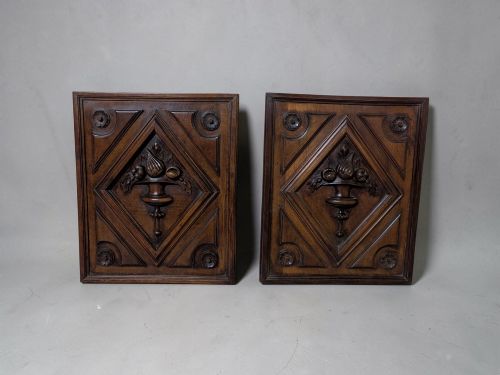
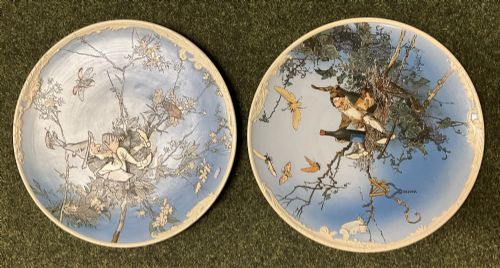
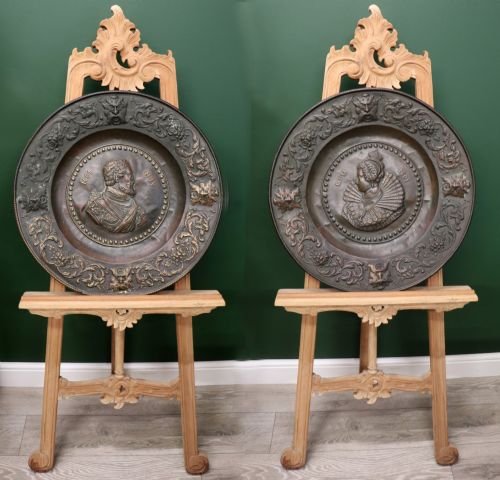
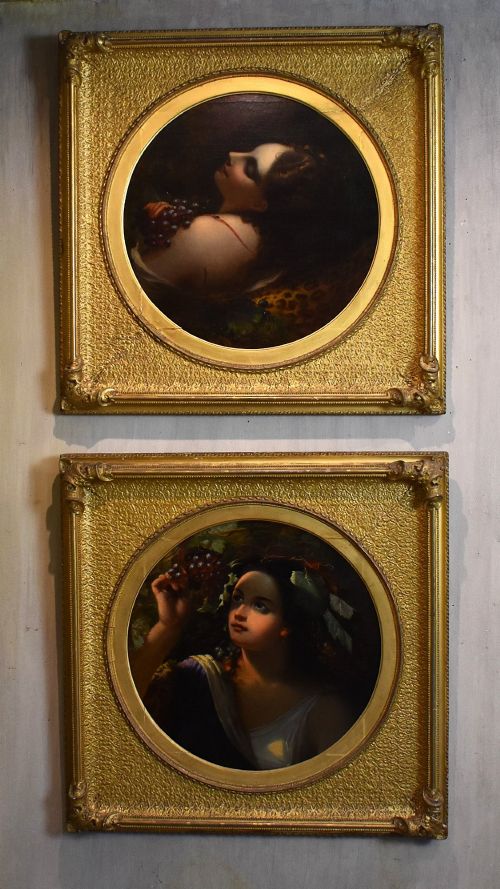
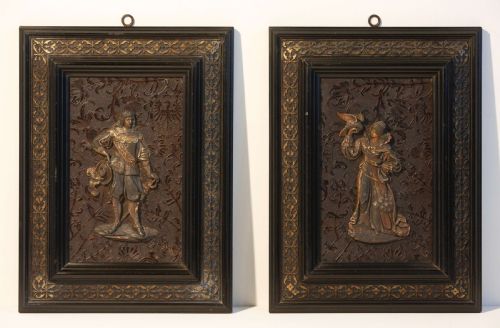
Decorative pair wall art spans matched pairs of hanging objects designed to be displayed together on a vertical surface. The selection ranges from 17th-century carved wooden panels and Italian oils to 19th-century oil paintings, porcelain chargers, and bronze wall sconces.
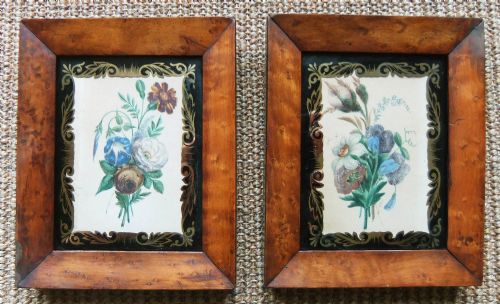
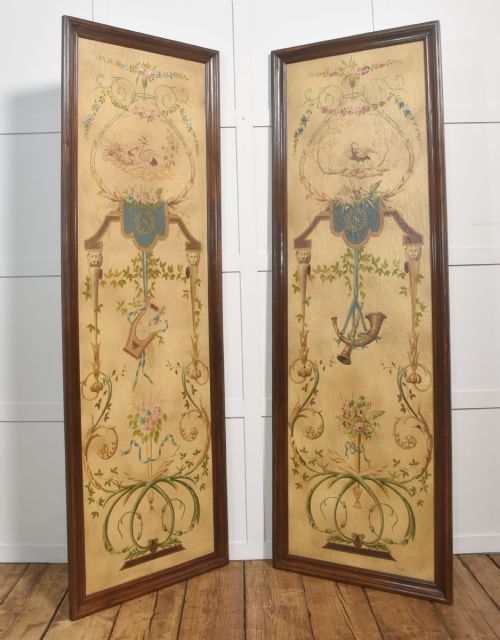
Buyers will encounter various formats including painted panels, framed prints, hand-carved woodwork, and ceramic plaques. Many examples originate from Victorian England, continental Europe, and East Asia, reflecting diverse aesthetic movements from Neoclassical to Art Nouveau.
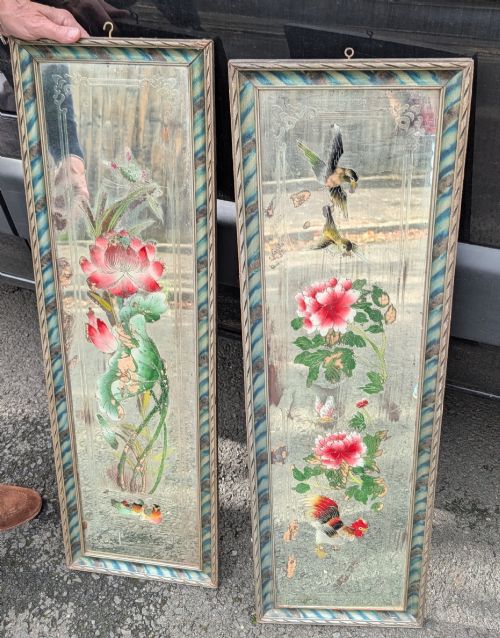
The assortment on this page relies heavily on 19th-century production, alongside pieces from the early 20th century and the 17th century. Forms frequently take the shape of symmetrical wall mirrors, decorative plates, and canvas panels intended to anchor a room's design.
Materials and construction methods
Makers utilised traditional media such as oil paint on canvas and wood, alongside carved timber panels and hand-hammered metals. Copper, brass, white metal, and gilded bronze provide metallic relief and structural framing across many of the items.
Ceramic and glass works incorporate porcelain, enamel, and specialised techniques like cloisonné and totai shippo. Woodwork relies on hand carving, lacquering, and mother-of-pearl or abalone inlay to build surface detail.
Decorative Pair Wall Art Retail Price Guide 2026
Typical asking prices for decorative pair wall art among the pieces listed under this phrase on Sellingantiques today, from the lower quarter to the upper quarter. They describe what is for sale here now, not the wider market.
Seven lucky gods occasionally share wall space with fairground ride fragments.
Distinctions in quality and execution
Quality rests in the precision of the hand execution, whether through the fine brushwork of an oil painting, the crispness of a carved wooden panel, or the intricate detail of a cloisonné enamel plate. Superior pieces demonstrate complete control over proportion and symmetry across both items in the pair.
The choice of raw materials also separates standard production from finer examples, such as the depth of gilding on bronze, the complexity of inlay work on lacquered panels, or the purity of porcelain bodies. Original framing and untouched surfaces preserve the integrity of the period aesthetic.
Theodore Jensen·WMF
The Decorative Pair Wall Art Glossary
- Chinoiserie
- European artistic style reflecting Chinese motifs and techniques, popular in decorative panels and canvas works. This style often employs whimsical depictions of landscapes and figures.
- Cloisonne
- Enamelling technique where thin metal wires form compartments on a metal base to hold coloured glass paste. Japanese plates and chargers frequently utilise this method.
- Trompe l'oeil
- Painting technique that creates an optical illusion of three-dimensional objects on a flat surface. Examples include rendered figures of cherubs playing.
- Imari
- Japanese porcelain decorated in underglaze blue and overglaze red, gold, and black. These chargers and plates were widely exported during the 19th century.
- Chrystoleum
- Process of applying a hand-coloured print to the inside of concave glass and dissolving the paper base. This Victorian technique produced translucent pictures set in period gilt frames.
Decorative Pair Wall Art: Frequently Asked Questions
How should I hang decorative pair wall art?
Matched pairs look best when hung at eye level with consistent spacing between them to maintain visual balance. Measuring the centre point of each piece ensures they align properly on the wall.
Consider the surrounding furniture proportions, placing the pair above a mantelpiece, sideboard, or flanking a doorway. Secure fixings suited to the weight of the frame, whether wood, metal, or ceramic.
What periods do these wall art pieces come from?
The available selection spans from the 17th century through the Victorian era and into the early 20th century. Pieces reflect distinct historical periods including the Neoclassical style, Art Nouveau, and the Meiji period in Japan.
Earlier items tend to feature hand-carved wood and classical oil paintings, while late 19th and early 20th-century pieces introduce industrial metals and diverse ceramic techniques.
How do I care for mixed material wall art?
Different materials require specific handling, such as dusting carved wood gently with a dry cloth and avoiding moisture on exposed canvas or paper prints. Metal elements like copper and brass should be kept away from damp environments to prevent tarnishing.
Glass and porcelain surfaces benefit from occasional careful cleaning with a soft, lint-free cloth. Direct sunlight should be avoided to protect painted surfaces and dyed textiles from fading.
Are these pieces always sold as matching sets?
The items listed here are gathered specifically as pairs, sharing matching motifs, materials, or creation periods by design. This dual format was intended to create symmetry in interior decoration.
Each pair balances visual weight between the two individual pieces, whether they are wall plaques, framed panels, or decorative plates.