





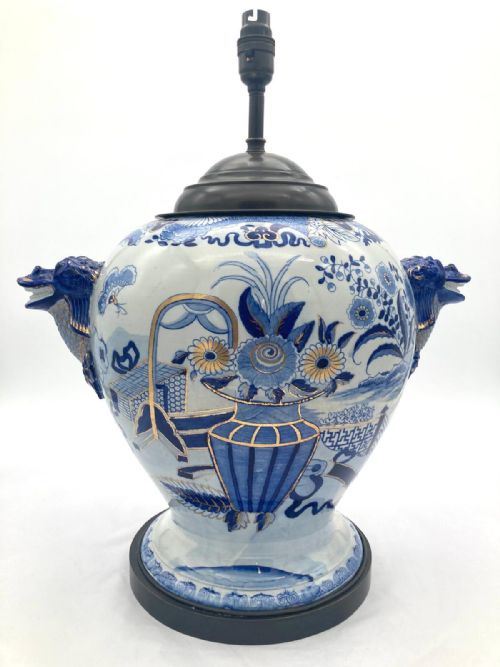


Decorative Oriental Table Lamp
These decorative oriental table lamps bring painted porcelain, bronze, and lacquer into domestic interiors across various historical styles.
Decorative Oriental Table Lamp
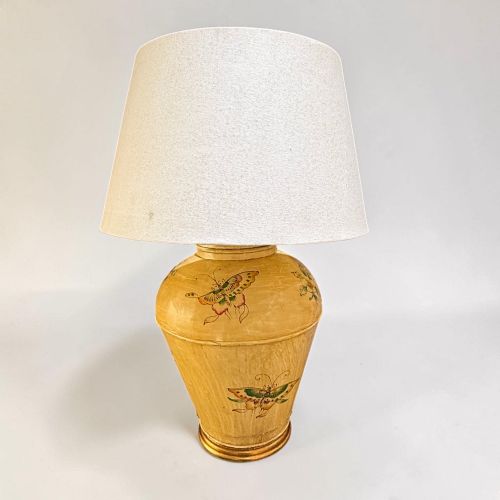
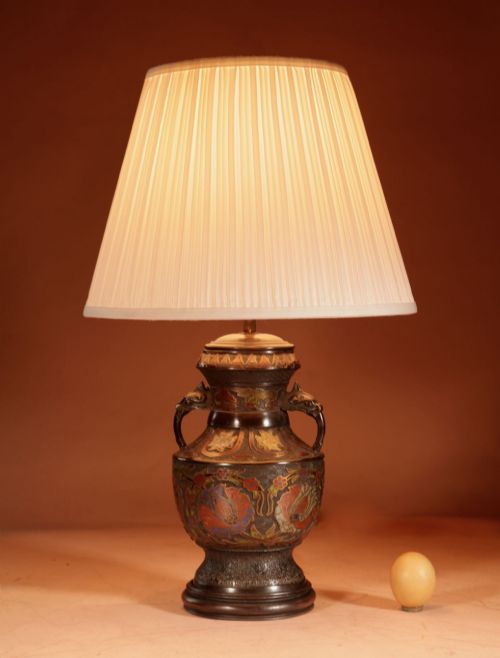
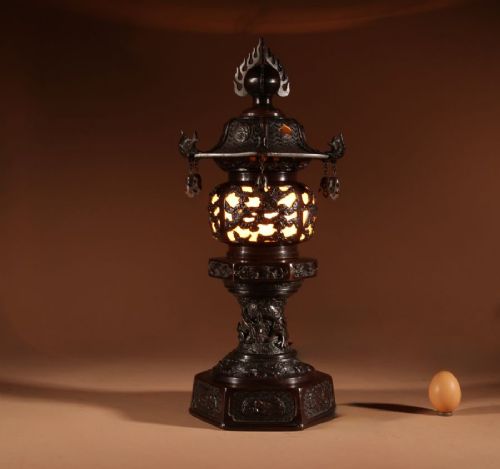
A decorative oriental table lamp draws on nineteenth-century Chinese and Japanese craftsmanship, often utilising converted vases, jars, and bronze vessels fitted for electricity.
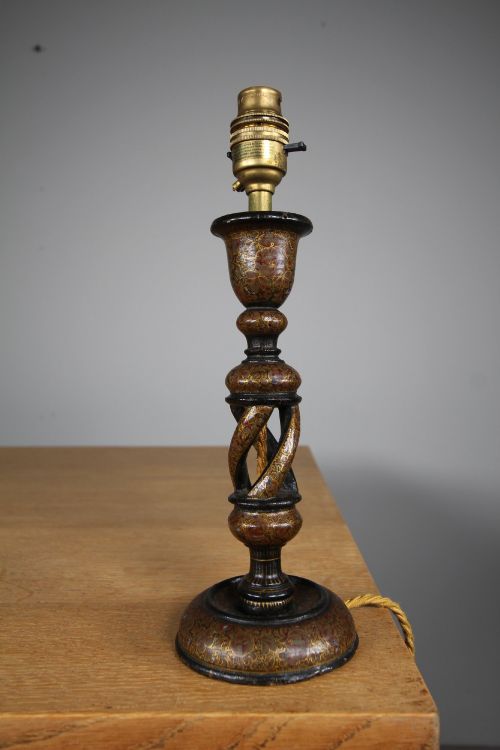
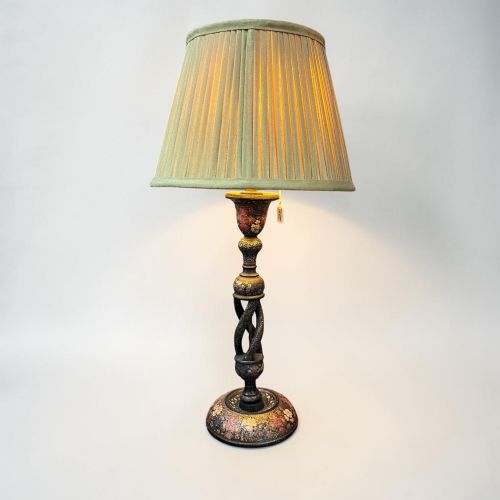
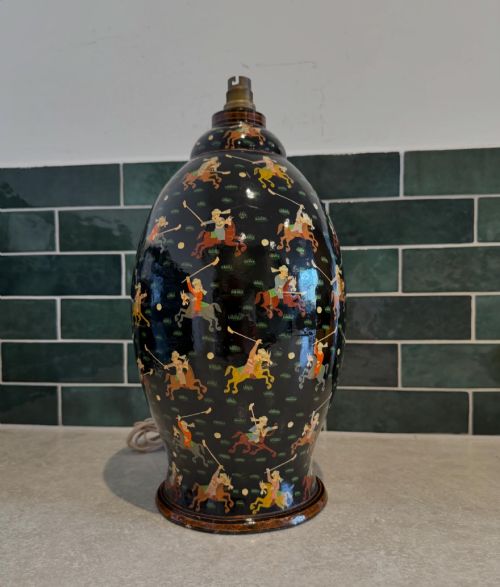
The selections span distinct periods from the Regency era through the Victorian period into the early twentieth century, incorporating Chinoiserie, Meiji, and Kashmiri folk art traditions.
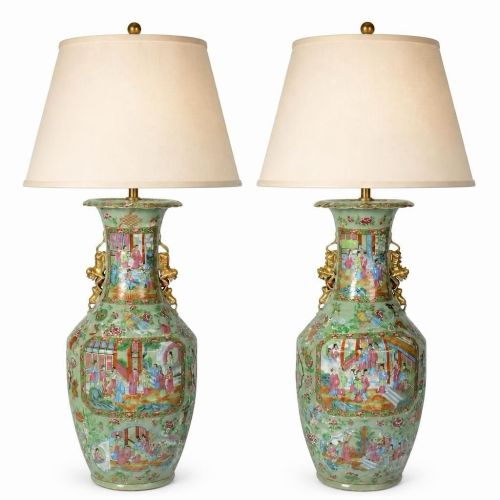
Vessels such as Satsuma, Famille Rose, Imari, and Paris porcelain frequently form the body of these lamps, alongside occasional side tables and wine tables sharing similar decorative vocabularies.
How They Were Made
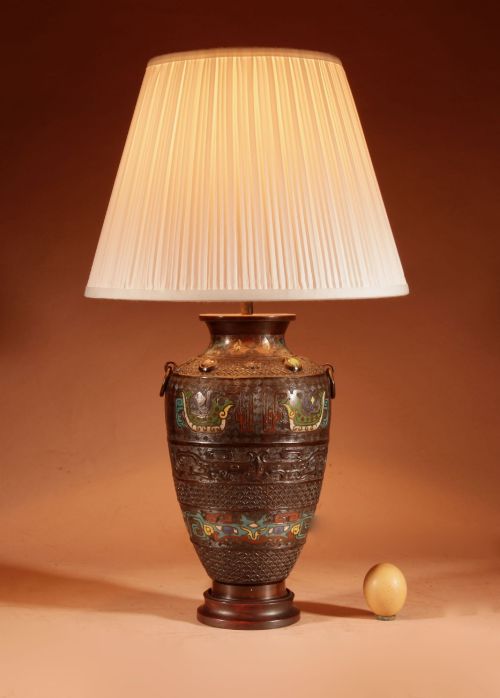
Construction relies heavily on traditional ceramic and metalworking techniques, utilising porcelain, bronze, brass, and cloisonné enamel.
Many examples combine hand-painted surfaces with carved wood, lacquer, and fabric elements, reflecting specific regional workshops from China, Japan, and Kashmir.
Decorative Oriental Table Lamp Retail Price Guide 2026
Typical asking prices for decorative oriental table lamp among the pieces listed under this phrase on Sellingantiques today, from the lower quarter to the upper quarter. They describe what is for sale here now, not the wider market.
The listings span the nineteenth century through the 1930s, featuring porcelain, bronze, lacquer, and fabric across Chinese and Japanese styles.
What Varies in Quality
Distinction lies in the execution of the hand-painted details and the crispness of bronze casting in elements like champlevé work.
The integrity of the original vessel before conversion and the harmonious integration of mounts and wiring dictate the standing of individual pieces.
The Decorative Oriental Table Lamp Glossary
- Chinoiserie
- European artistic style reflecting Chinese motifs and techniques. It appears frequently in nineteenth-century furniture and lighting.
- Satsuma
- Japanese earthenware featuring intricate enamel and gilt decoration over a creamy crackle-glaze. These wares often serve as lamp bodies.
- Cloisonne
- Enamelling technique using metal wires to form compartments filled with paste and fired. This method decorates many Japanese bronze bases.
- Imari
- Japanese export porcelain decorated in underglaze blue and iron red with gold highlights. Pieces from this tradition date back to the eighteenth century.
- Champleve
- Enamelling process where troughs are gouged in metal and filled with vitreous enamel. It defines the surface of several Japanese bronze lamps.
Decorative Oriental Table Lamp: Frequently Asked Questions
Are these lamps converted from old vases?
Many examples utilise antique Chinese and Japanese porcelain vases, tea canisters, or bronze vessels that have been adapted to function as lighting.
This method preserves historical ceramics while giving them a practical purpose in modern rooms.
How do I identify the period of a lamp?
Dating relies on stylistic markers within the painting, the type of ceramic body, and associated metal mounts characteristic of nineteenth-century production.
Reference to specific periods like the Meiji era or Victorian decades helps clarify the origin of each piece.
What styles are common in these lamps?
Common styles include Chinoiserie, Japanese Meiji designs, and Kashmiri folk art, each showing distinct regional ornamentation.
Motifs range from floral Famille Rose patterns to intricate bronze work and lacquered surfaces.
Can I find matching pairs?
Certain listings include paired vases or lamps, such as Rose Medallion or Satsuma examples created together.
Pairs offer symmetrical placement options for sideboards or large tables.