



Decorative Oak Stand
A decorative oak stand brings solid timber presence and useful utility to any corner.
Decorative Oak Stand
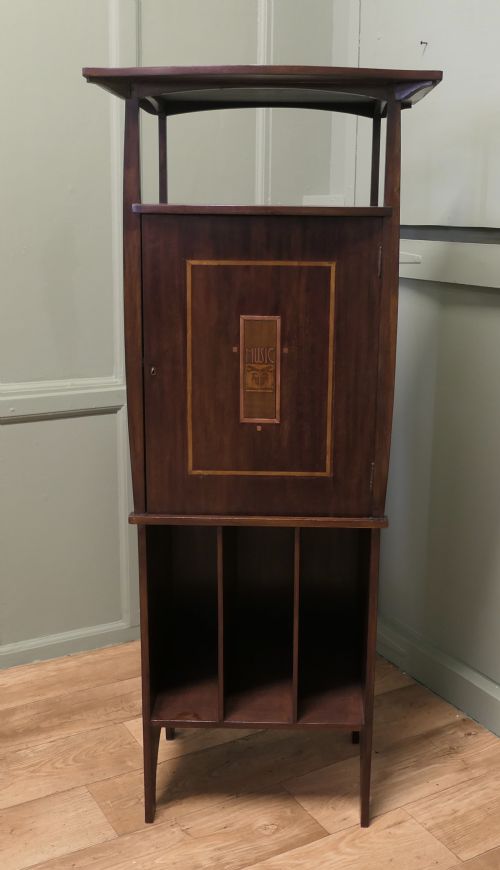
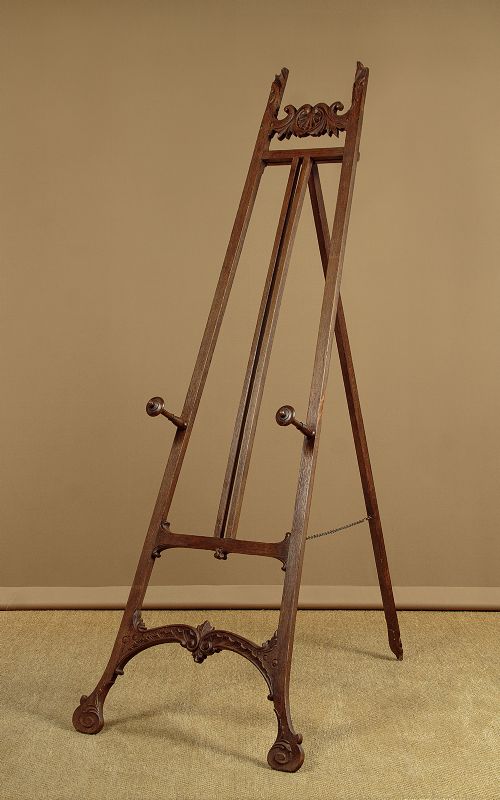
When you search for a decorative oak stand, you encounter a varied selection of domestic furnishings spanning several centuries of British craftsmanship. The pieces range from plant stands and jardiniere stands to music cabinets, pedestal columns, and display easels, all sharing a foundation in sturdy timber.
You are most likely to meet pieces originating from the nineteenth and early twentieth centuries, including Edwardian and Victorian examples alongside Arts and Crafts designs. These items serve both practical and ornamental purposes, holding plants, books, or art objects while adding distinct character to a room.
The assortment also includes side tables, fire screens, and torchere columns that incorporate carved details, wood inlay, or coopered construction. Each form reflects the prevailing aesthetic of its period, from baroque revival to English country styles.
Materials and construction
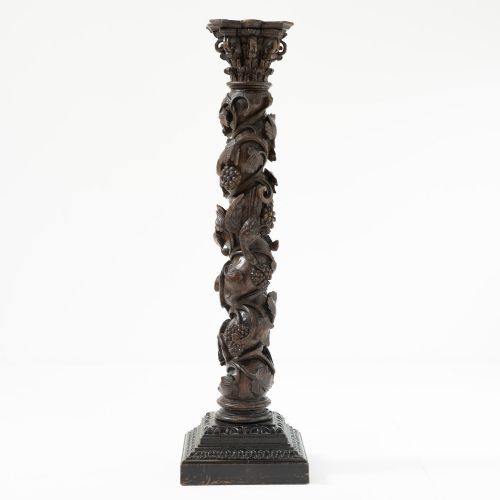
Makers utilised solid oak, frequently dark oak or carved oak, alongside supporting elements of metal, glass, and silk to build these stands. Wood inlay and detailed hand carving appear across the pieces, showing traditional joinery and turning techniques such as barley twist and Solomonic columns.
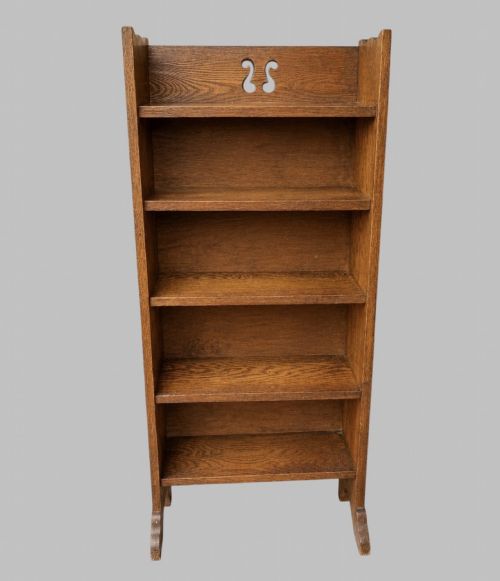
Construction methods range from coopered staves in planters to fitted shelving in open bookcases and music cabinets. The integration of decorative cut-outs and applied mouldings demonstrates the careful handwork characteristic of workshops from the Georgian era through to the nineteen-thirties.
Decorative Oak Stand Retail Price Guide 2026
Typical asking prices for decorative oak stand among the pieces listed under this phrase on Sellingantiques today, from the lower quarter to the upper quarter. They describe what is for sale here now, not the wider market.
Listings feature oak stands spanning the Georgian period, the nineteenth century, and early twentieth-century movements like Arts and Crafts.
Evaluating craftsmanship and proportion
Quality reveals itself in the crispness of the timber carving and the balance of the proportions, whether on a slender torchere or a sturdy jardiniere stand. Finer examples display thoughtful integration of decorative elements like wood inlay and balanced turnings that complement the grain of the oak.
The integrity of the construction, from tight joinery in cabinets to secure coopered staves in planters, distinguishes finer workshop output from simpler utilitarian items. The preservation of original surface finishes and patination also plays a significant role in the character of each piece.
GM Elwood·JS Henry·Liberty and Co
The Decorative Oak Stand Glossary
- Torchere
- A tall, slender stand or pedestal designed to support a lamp or decorative object. These pieces lift ornaments off the floor to create vertical interest in a room scheme.
- Jardiniere
- A large decorative pot or stand for holding plants or flowers. In oak, these often feature coopered construction resembling miniature barrels.
- Solomonic
- A column type characterised by a helical twist running down the shaft. This distinctive turning style appears frequently on antique pedestals and stands.
- Apprentice piece
- A small-scale item created by a trainee artisan to demonstrate mastery of woodcarving and joinery techniques. These objects often mirror full-sized furniture forms in miniature.
Decorative Oak Stand: Frequently Asked Questions
What is a jardiniere stand?
A jardiniere stand is a specialised piece of furniture built to elevate potted plants and floral displays. They often feature waterproof linings or coopered wooden staves to handle moisture.
These stands allow greenery to be positioned securely within living spaces, protecting floors and furniture while adding natural texture to the interior.
How do I identify Arts and Crafts oak pieces?
Arts and Crafts pieces typically showcase the natural grain of the timber alongside honest construction methods. Look for handcrafted details like decorative cut-outs, exposed joinery, and simpler, sturdy silhouettes.
This movement valued utility and traditional craftsmanship over excessive ornamentation, resulting in robust furniture designed for everyday domestic life.
Where should I place a torchere stand?
A torchere stand works best in empty corners, narrow hallways, or flanking larger furniture pieces where vertical height is needed. Their slender profile allows them to occupy minimal floor space.
They provide an ideal platform for displaying sculptures, vases, or plants without cluttering the main living areas of the home.
What distinguishes Georgian oak from Victorian oak?
Georgian oak furniture generally exhibits simpler, more architectural lines with an emphasis on structural balance and practical utility. The timber often develops a deeper, softer patination over centuries of age.
Victorian and later nineteenth-century pieces frequently incorporate heavier ornamentation, revival styles, and more varied turning techniques like barley twists as mechanical production methods evolved.