


Decorative Metal Mirror
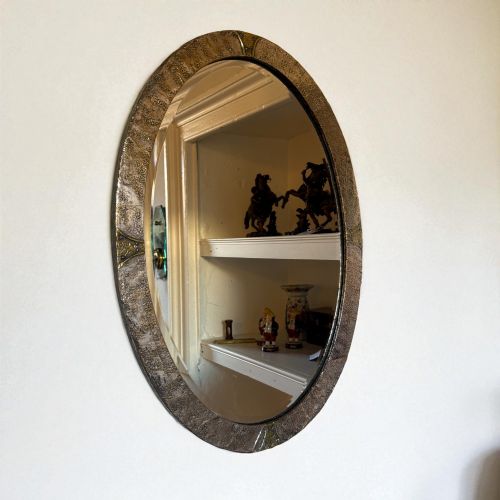
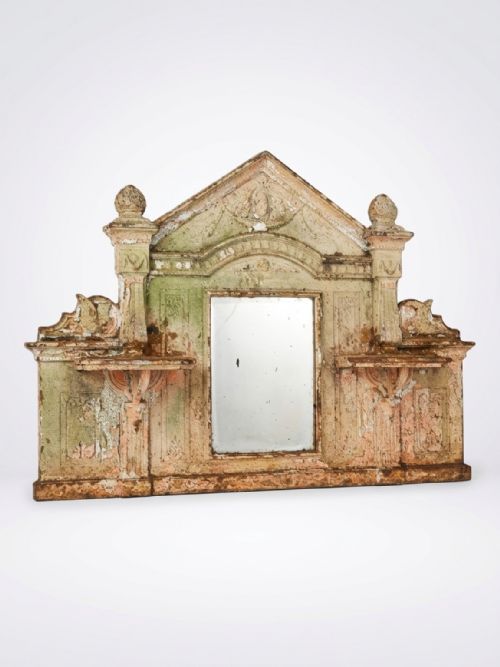
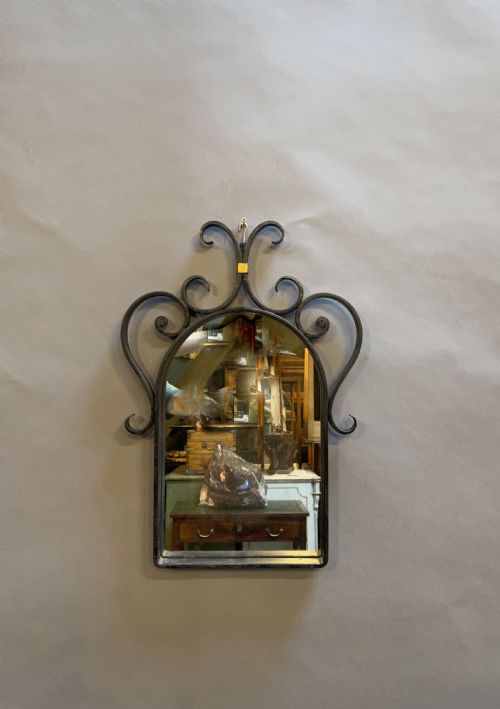
These decorative metal mirror pieces combine functional glass with cast and hammered frames, offering striking period character for domestic walls.
Decorative Metal Mirror
A decorative metal mirror takes many forms across domestic interiors, appearing most frequently on this page as wall mirrors and fire screens framed in cast brass, copper, and gilt metal. These items span periods from the nineteenth century through the Edwardian era into the nineteen-thirties, with styles ranging from French provincial to Aesthetic Movement designs.
Buyers encounter hanging wall mirrors, table mirrors, and wall sconces alongside striking fireplace screens. The typical version met on this page uses brass or copper framing, often incorporating cast crests, repoussé work, or inset ceramic cabochons to frame the glass.
How they were made
Frames rely heavily on cast iron, cast brass, and copper, shaped through founding and hand-hammering techniques. Artisans utilised repoussé methods on copper sheets to push intricate relief patterns from the reverse side.
Gilt metal and gilded surfaces receive thin layers of gold leaf or metallic paint over a base material. Wood frequently serves as a sturdy backing structure behind the metal framework and glass.
Listings feature periods from the nineteenth century, Victorian era, and Edwardian times through to nineteen thirty, utilising brass, copper, and cast iron.
What varies in quality
The refinement of the casting and hand-working determines the tier of the piece. Finely cast brass or bronze work shows sharp, crisp detailing in masks, scrolls, and foliage without smoothing or softening in the mould.
The integration of decorative elements such as Ruskin cabochons, inset mottoes, and figural spelter supports distinguishes standard production items from more ambitious workshops.
Coalbrookdale
The Decorative Metal Mirror Glossary
- Repoussé
- Metalworking technique where a design is hammered into relief from the reverse side. This method creates textured surfaces on copper and brass mirror frames.
- Girandole
- A branched wall fixture or sconce holding candles, frequently incorporating a mirror to reflect light. These pieces often feature gilded metalwork and twin arms.
- Cabochon
- A gemstone or ceramic piece shaped and polished rather than faceted. In Arts and Crafts frames, these are often set directly into the metal border.
- Spelter
- An alloy of zinc used as a cheaper alternative to bronze for casting figures and decorative frames. It is typically painted or electroplated to resemble other metals.
- Fire screen
- A decorative panel placed before an unused fireplace to block the hearth. Examples in this selection use cast metal and mirror glass.
Decorative Metal Mirror: Frequently Asked Questions
How do I hang a heavy cast metal mirror safely?
Heavy mirrors require secure wall fixings suited to the weight of the cast iron or brass frame. Wall anchors attached directly to studs ensure stability.
Verify that the hanging loops or chains integrated into the back of the frame are structurally sound before mounting.
How should I clean a brass and copper frame?
Dust the metal gently with a dry microfibre cloth to remove surface particles without disturbing the aged patina. Avoid harsh chemical polishes that strip historical surfaces.
Keep glass cleaner away from the metal framework to prevent staining or discolouration on the brass and copper.
Are these mirrors original antique pieces?
The selection includes items originating from the Victorian and Edwardian periods up to the nineteen-thirties. Materials such as cast iron, copper, and original mirror glass indicate their period manufacture.
Stylistic markers like Aesthetic Movement designs and Arts and Crafts repoussé work help confirm their historical context.