




Decorative Metal Dishes
Decorative metal dishes bring centuries of craftsmanship and intricate metalwork into modern interiors.
Decorative Metal Dishes
Decorative metal dishes encompass chargers, trays, bowls, and plaques produced across the nineteenth and early twentieth centuries. These vessels served both ornamental and functional purposes in period domestic settings.
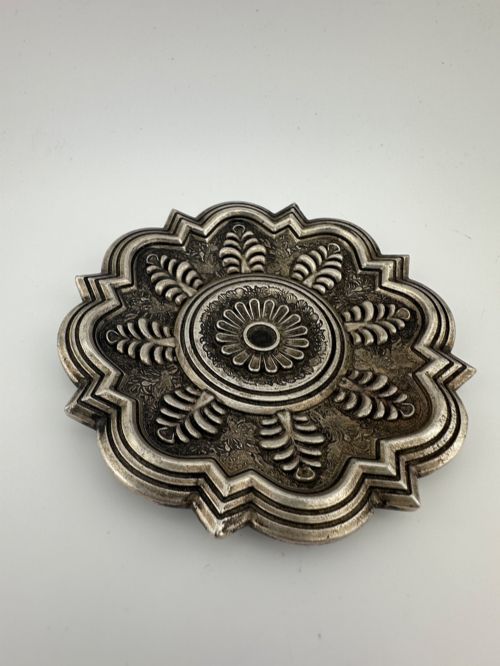
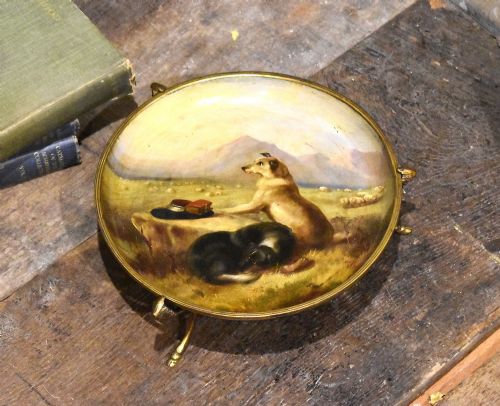
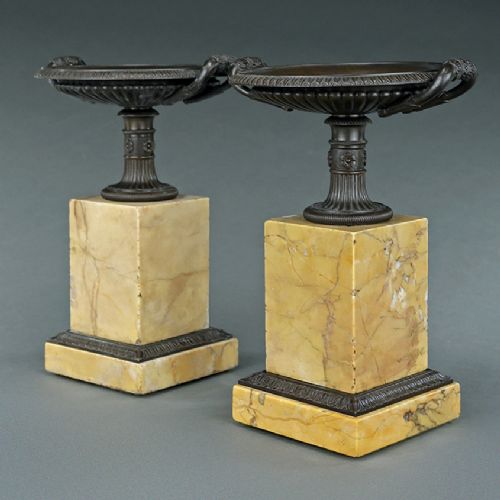
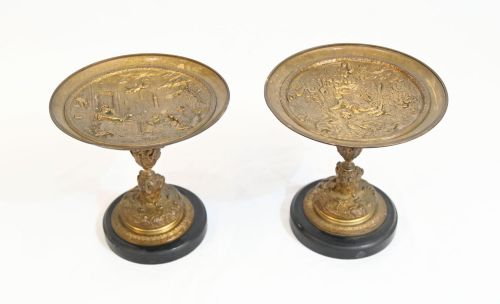
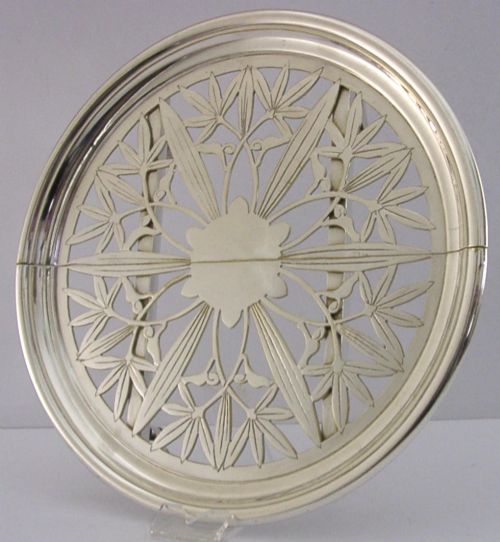
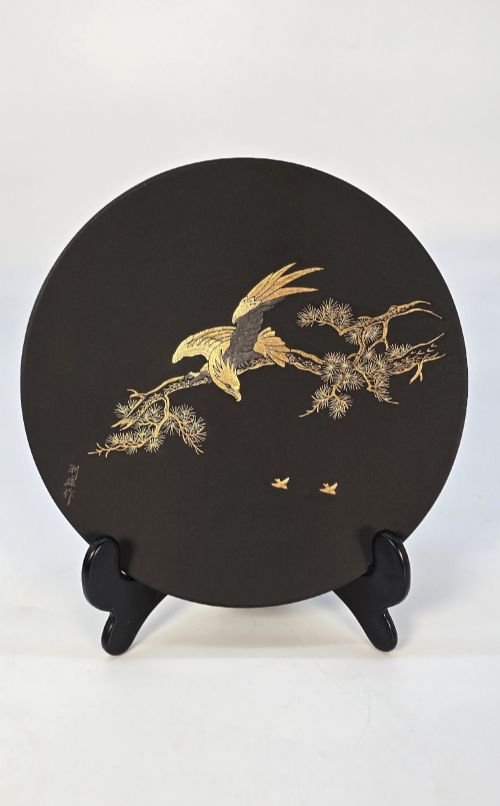
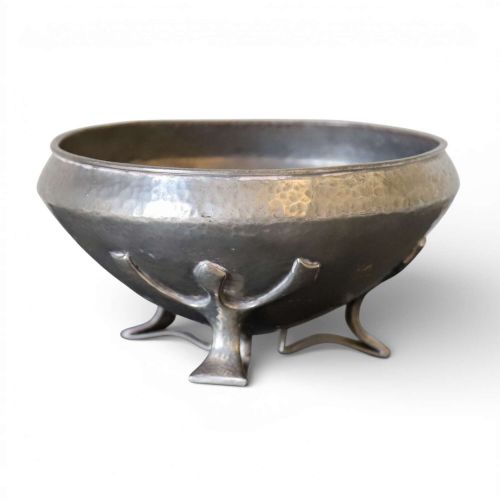
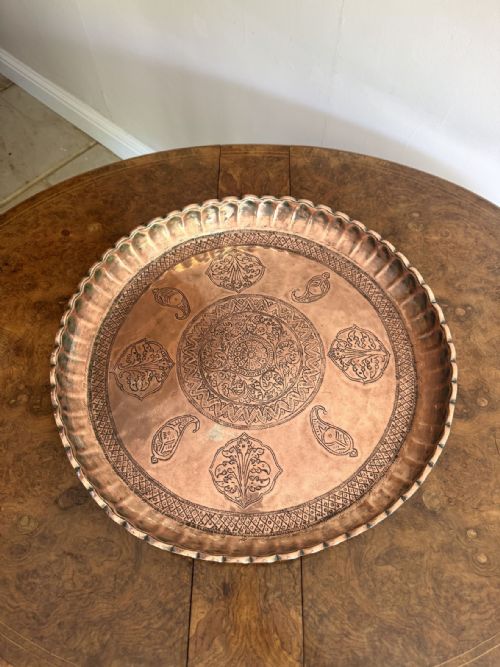
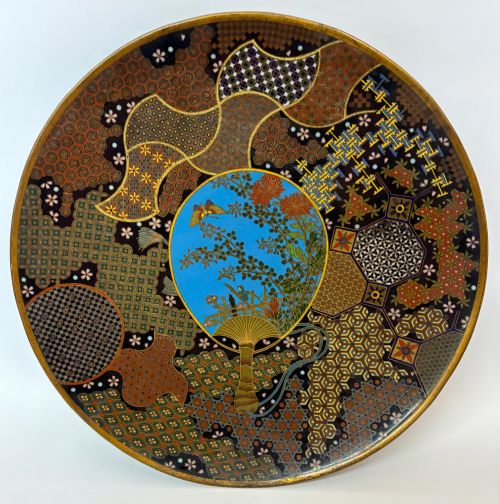
The pieces appearing on this page range from Japanese Meiji period cloisonne enamels and Chinese export white metal to French bronze tazzas and British Arts and Crafts copper trays.
How they were made
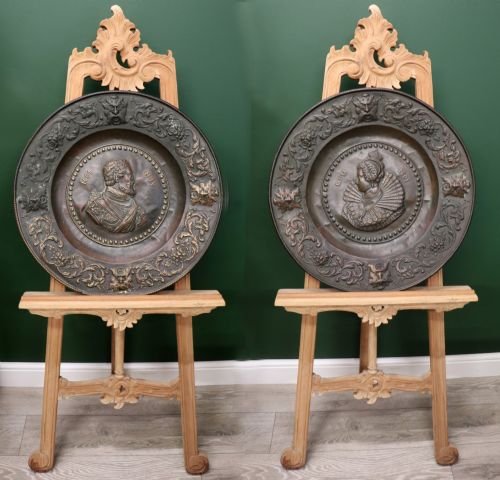
Artisans employed techniques such as casting, hammering, and patination on metals including copper, brass, bronze, and silver plate. Many vessels incorporate mixed metals, gilt bronze, or marble bases to add structural weight and visual contrast.
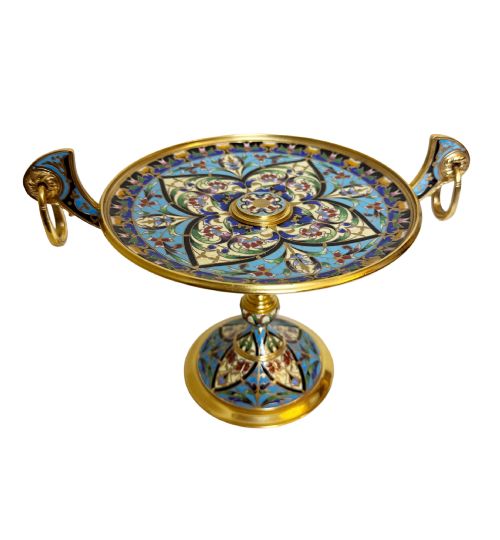
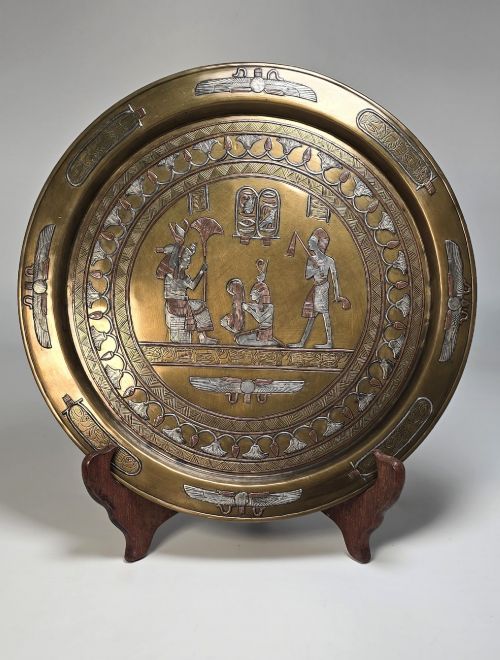
Enamelling methods, notably cloisonne and champleve, involve fusing glass pastes within wire or carved metal cells. Cairo ware and Middle Eastern vessels utilise intricate silver and copper inlay work executed by hand.
Decorative Metal Dishes Retail Price Guide 2026
Typical asking prices for decorative metal dishes among the pieces listed under this phrase on Sellingantiques today, from the lower quarter to the upper quarter. They describe what is for sale here now, not the wider market.
Listings span periods from the eighteenth century to the 1920s, featuring materials such as cloisonne enamel, bronze, and silver plate.
What varies in quality
Quality rests upon the precision of the metalwork, the complexity of the inlaid or enamelled decoration, and the integrity of the casting. Pieces displaying finer wirework in cloisonne or sharper relief in bronze and ormolu demonstrate superior workshop standards.
The weight of the metal and the finish of the patination indicate the level of care taken by the maker. Well-preserved surfaces retain their original colour and depth without obscure repairs or heavy polishing.
Christofle·Liberty & Co·Oliver Baker
The Decorative Metal Dishes Glossary
- Cloisonne
- An enamelwork technique where thin metal wires are applied to a metal base to form compartments filled with coloured paste and fired. This method creates detailed pictorial designs of birds, flowers, and landscapes.
- Tazza
- A shallow bowl or plate mounted on a stem and foot, originating from classical forms. These elevated vessels often feature cast bronze or marble bases.
- Cairo Ware
- Nineteenth-century metalwork produced in Egypt featuring intricate silver and copper inlay set into brass or copper grounds. The patterns draw upon traditional Islamic geometric and calligraphic motifs.
- Ormolu
- Gilt bronze mounted onto decorative objects, furniture, or clocks. The technique involves applying a gold amalgam to heated bronze before the mercury is driven off.
- Champleve
- An enamelling process where troughs or cells are carved directly into the metal plate and filled with vitreous enamel before firing. It differs from cloisonne by removing the need for applied surface wires.
Decorative Metal Dishes: Frequently Asked Questions
How were decorative metal dishes used historically?
These vessels functioned primarily as display pieces on sideboards, tables, and walls rather than for daily dining. Chargers and large trays were often mounted on stands or hung to showcase intricate metalwork and enamel designs.
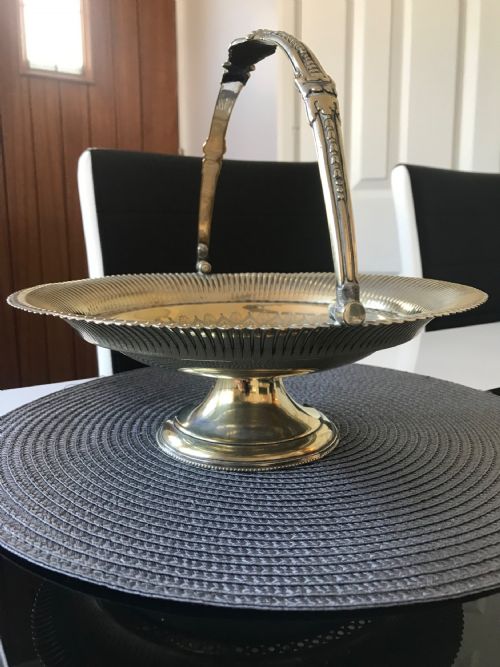
Smaller tazzas and bowls served as centrepieces for fruit or held visiting cards in formal reception rooms. Their ornamental nature made them prominent status symbols in Victorian and continental interiors.
How do I care for antique metal dishes?
Dust these pieces regularly with a soft, dry cloth to prevent the accumulation of grit within recessed details and enamel cells. Avoid commercial metal polishes, particularly on patinated, silver-plated, or cloisonne surfaces, as abrasives strip away historical finishes.
Keep the items away from direct sunlight and damp environments to protect delicate enamels, mixed metal inlays, and attached marble or wooden bases.
What is the difference between a charger and a tazza?
A charger is a large, flat or shallow decorative dish designed primarily for wall display or placement beneath smaller tableware. They provide a wide surface area well suited for extensive pictorial enamel work or repoussé scenes.
A tazza is elevated on a central foot or pedestal, giving it a sculptural profile reminiscent of classical architecture. This raised form lifts the bowl above the furniture surface to draw the eye.