






Decorative Mantel Garniture
A decorative mantel garniture anchors a room with balanced symmetry, pairing a central clock or urn with matching vases.
Decorative Mantel Garniture
A decorative mantel garniture brings symmetrical elegance to a fireplace or side table by arranging a central timepiece or large vessel flanked by a matching pair of smaller vases or urns. When you search for a decorative mantel garniture, you encounter sets designed to create visual harmony on nineteenth-century and early twentieth-century mantelpieces.
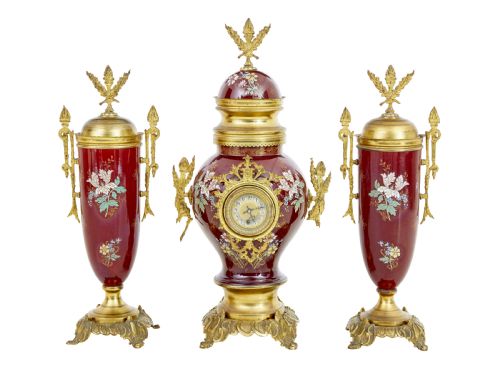
The selections span periods from the Regency era through the Art Deco epoch, heavily featuring nineteenth-century French and Victorian designs. Sets often comprise clock garnitures with twin side pieces, or multi-piece vase groupings in matching materials.
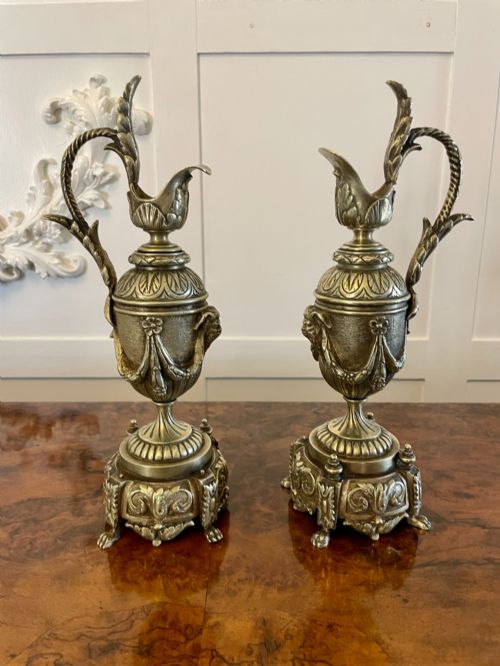
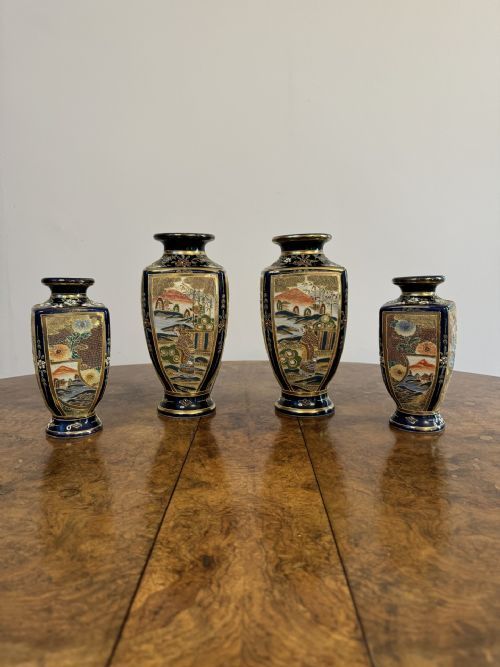
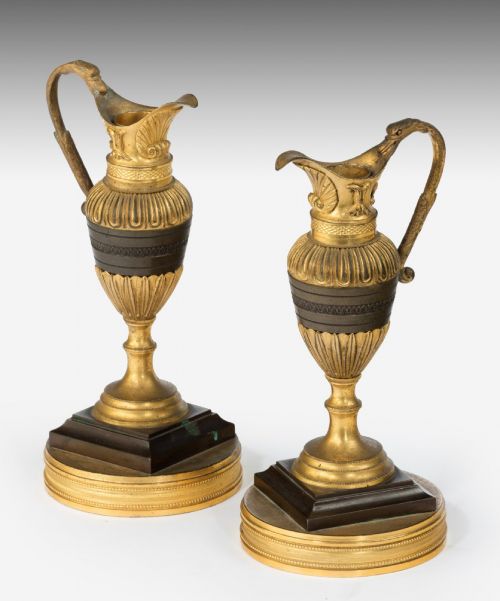
Object types on this page include decorative urns, mantel clocks, vases, decorative ewers, and cassolettes. These coordinated groupings reflect historical interior schemes that prioritized balanced ornamentation across domestic reception rooms.
Materials and construction
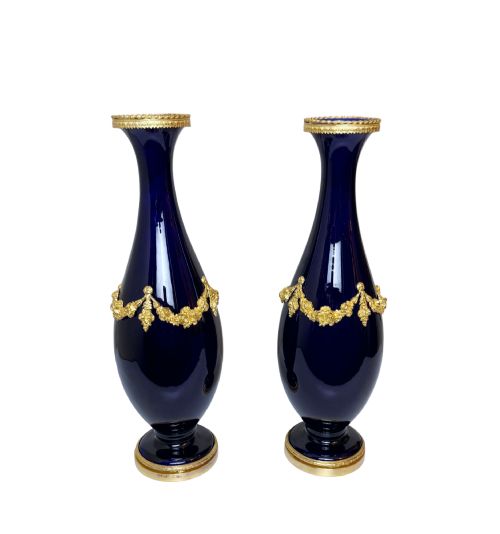
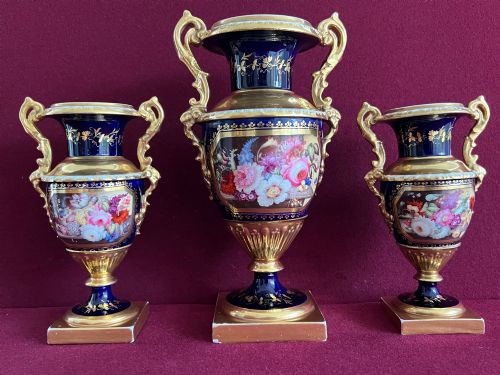
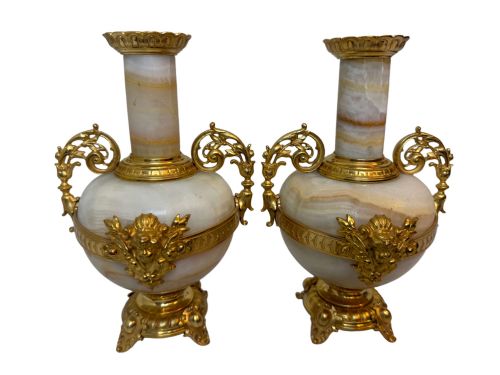
Craftsmen built these sets using a combination of cast metals and polished stone, pairing ormolu and gilt bronze with white marble, green onyx, or white onyx bases. Many pieces incorporate fine porcelain bodies from factories like Sevres, KPM Berlin, and Minton, decorated with enamel and detailed hand-painting.
Bronze and brass components were cast, chased, and often gilt or silver-plated to provide rich metallic contrast against ceramic surfaces. Stone elements such as marble and porphyry were turned and polished to create substantial plinths and bodies for cassolettes and urns.
Decorative Mantel Garniture Retail Price Guide 2026
Typical asking prices for decorative mantel garniture among the pieces listed under this phrase on Sellingantiques today, from the lower quarter to the upper quarter. They describe what is for sale here now, not the wider market.
Materials span porcelain, ormolu, gilt bronze, brass, marble, onyx, enamel, and porphyry.
Distinctions in quality
Quality rests in the crispness of the metal chasing and the depth of the gilding on bronze and ormolu mounts. Finer sets display precise hand-painted detail on porcelain bodies, where brushwork remains refined rather than mechanical.
The choice and execution of natural materials also mark the tier of a piece, distinguishing substantial carved marble or onyx mounts and robust porcelain forms from simpler pressed metal alternatives.
Thomas Steel·Minton·Sevres·KPM Berlin
The Decorative Mantel Garniture Glossary
- Garniture
- A set of matching decorative vessels or a clock accompanied by matching side ornaments designed for display together.
- Cassolette
- A decorative vase or vessel, often featuring a reversible lid that transforms it from an open vase to a burner or solid urn.
- Ormolu
- Gilding technique applying finely ground high-carat gold to a bronze base, creating a rich golden surface finish.
- Ewer
- A large jug with a wide spout and handle, frequently produced in matched pairs for decorative display.
- Portico clock
- A mantel clock housed within a architectural frame supported by columns, often forming part of a garniture set.
Decorative Mantel Garniture: Frequently Asked Questions
What is a decorative mantel garniture?
A decorative mantel garniture is a matching set of three or more ornamental objects designed to sit together on a fireplace mantel. Typically featuring a central clock or large urn flanked by two smaller vases, the arrangement creates visual balance and symmetry.
Historically, these sets anchored the decorative scheme of a formal room, uniting the mantelpiece display through coordinated materials and styles.
How were garnitures used originally?
In nineteenth-century interiors, garnitures served as the primary ornamental focus of the parlour or drawing room mantelpiece. They occupied the prominent shelf above the fireplace, catching the light from candles or gas lamps.
Beyond simple display, clock garnitures provided the essential timekeeping for the household while maintaining a strict decorative symmetry with their flanking side pieces.
How do I style a garniture today?
To style a garniture today, place the central clock or largest urn in the exact middle of a mantelpiece, sideboard, or console table. Flank this central piece with the matching smaller vases or cassolettes spaced evenly on either side.
Keep the surrounding surface uncluttered to let the matching proportions and shared materials of the set create a strong focal point in the room.
How do I tell nineteenth-century sets apart?
Distinguishing nineteenth-century sets involves examining the materials, weight, and manufacturing techniques characteristic of the period. Look for fire-gilded ormolu, hand-painted Sevres or Minton porcelain, and genuine marble or onyx plinths rather than synthetic substitutes.
Stylistic cues also help, as Neoclassical and Louis XVI revival pieces feature strict symmetry and classical motifs, while later Art Deco sets introduce geometric marble forms and streamlined clock faces.