





Decorative Mantel Figures
Decorative mantel figures bring sculptural weight and historical interest to a chimney piece, ranging from French gilt bronze clocks to Staffordshire pottery castles.
Decorative Mantel Figures
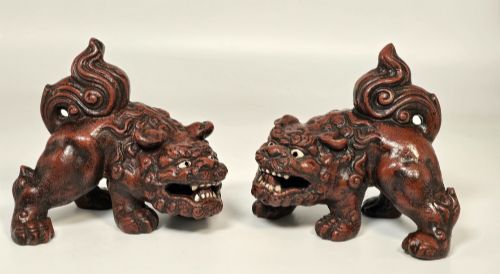
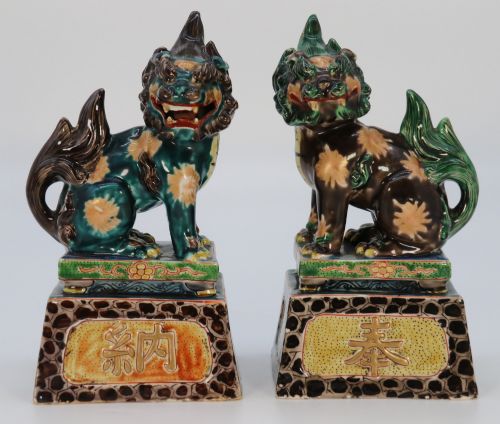
Decorative mantel figures encompass a varied collection of sculptural ornaments, clock garnitures, and ceramic subjects designed to sit upon a fireplace shelf. These objects draw from nineteenth-century European and Asian traditions, including French Empire, Victorian, Art Deco, and Meiji period aesthetics.
The most common examples encountered on this page include cast metal figures, ceramic figurines, and paired mantel garnitures. Buyers will find everything from patinated bronze subjects and spelter figures to porcelain vases and carved ornaments sharing domestic display space.
Originating across different European workshops and international kilns, these pieces reflect the interior tastes of the Victorian era through to the early twentieth century. Each item served as both a timekeeper's companion or a standalone ornament intended to anchor a room's decorative scheme.
How they were made
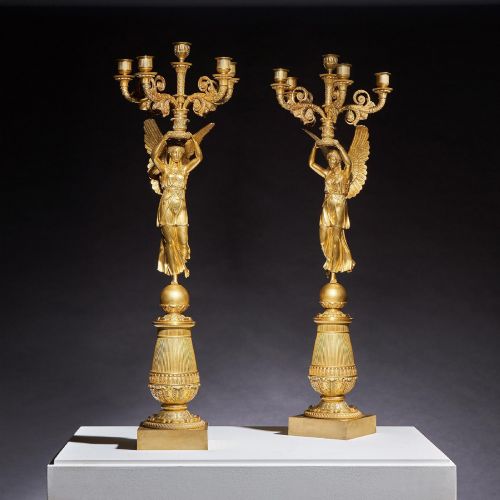
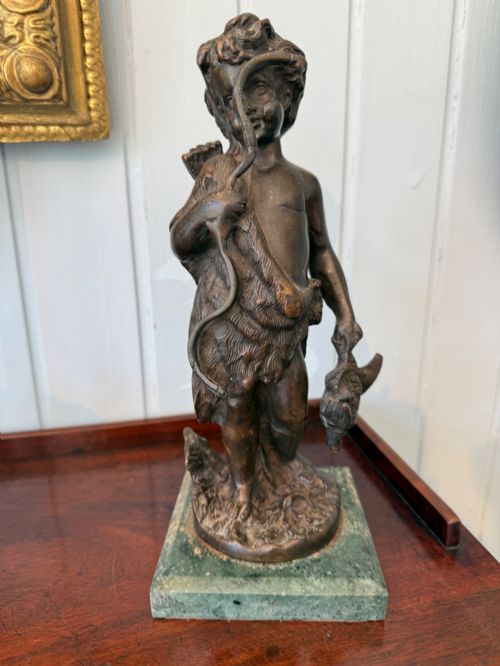
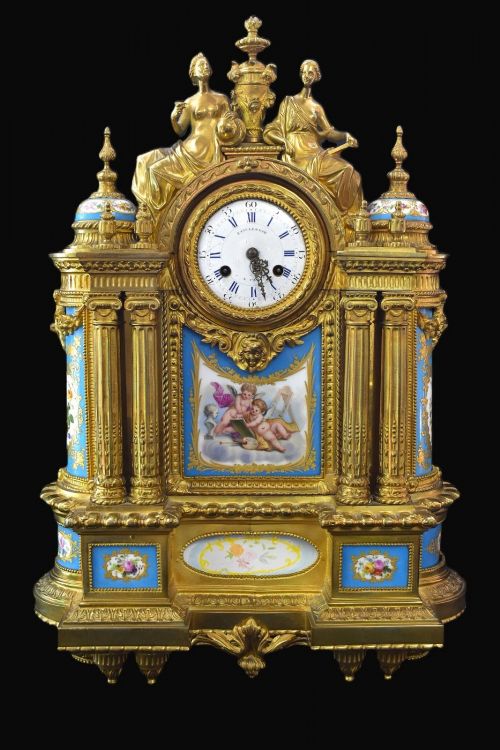
Manufacturers utilised traditional foundry and ceramic techniques, casting metals such as bronze, spelter, and ormolu, or shaping clay into porcelain, bisque, and earthenware. Gilt finishes and patination were applied to metals to create surface depth and contrast.
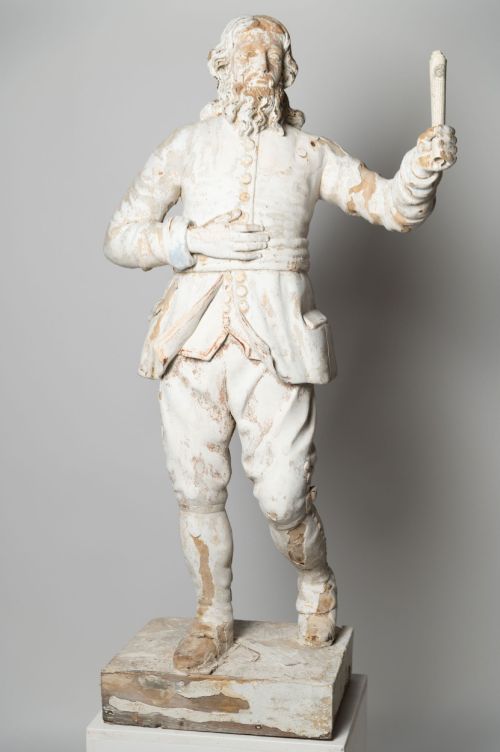
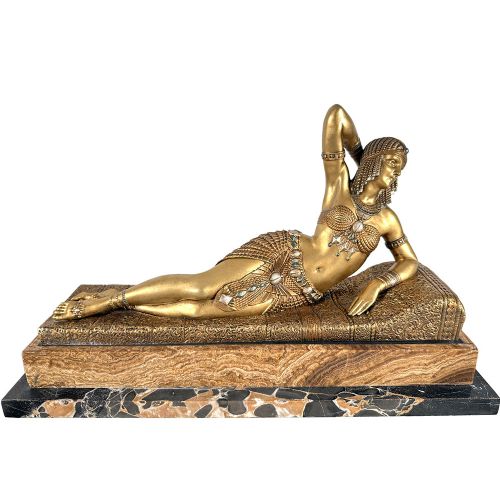
Makers combined mixed media within single compositions, mounting bronze figures onto marble bases or pairing ceramic bodies with gilt bronze mounts and glass domes. Carved wooden ornaments and giltwood pieces demonstrate traditional joinery and surface gilding methods of the period.
Decorative Mantel Figures Retail Price Guide 2026
Typical asking prices for decorative mantel figures among the pieces listed under this phrase on Sellingantiques today, from the lower quarter to the upper quarter. They describe what is for sale here now, not the wider market.
Even a brass cherub needs a rest after holding up a bow for a century or two.
What varies in quality
The refinement of the casting and carving dictates the fidelity of detail in faces, drapery, and anatomical form, separating standard production pieces from masterworks. Crisp chasing on gilt bronze and delicate hand-painting on porcelain indicate superior workshop execution.
Integrity of materials and the preservation of original patination, gilding, or matching garniture pairs elevate a piece's visual harmony. Complete assemblies, such as clocks retaining their original flanking figures or glass domes, hold greater cohesion than dispersed items.
Pierre Philippe Thomire·Etienne Lenoir·Demetre Chiparus·Isidore Jules Bonheur·Japy Freres
The Decorative Mantel Figures Glossary
- Ormolu
- Gilded bronze produced by applying a mercury and gold amalgam to cast bronze before heating. This technique creates a durable, luminous surface characteristic of fine French decorative objects.
- Spelter
- An alloy of zinc and lead utilised as an economical alternative to bronze for nineteenth-century decorative figures. It accepts patination well but possesses a lighter weight and softer structure.
- Garniture
- A set of matching decorative vessels or figures designed to be displayed together on a mantelpiece, often comprising a central clock flanked by two matching vases or candelabra.
- Bisque
- Unglazed ceramic porcelain fired once to produce a matte, tactile finish resembling marble. It was widely favored for nineteenth-century figurative mantel ornaments.
- Flat back
- A ceramic figure style designed with an unglazed or undecorated flat reverse, intended to be placed directly against a wall or mantel shelf.
Decorative Mantel Figures: Frequently Asked Questions
What is a mantel garniture set?
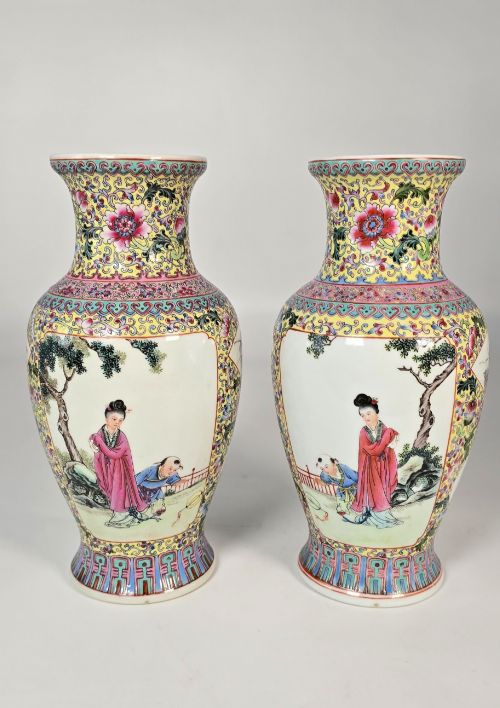
A mantel garniture set consists of a central decorative object, frequently a clock, accompanied by matching side pieces such as vases, candelabra, or flanking figures. These sets were designed to create a balanced, symmetrical display across the width of a fireplace mantel.
The matching items share materials, decorative motifs, and styles, ensuring a unified aesthetic for nineteenth-century domestic interiors.
How do I distinguish bronze from spelter?
Bronze is a heavy, durable copper alloy that maintains a crisp definition in its cast details and responds well to traditional patination. Spelter, composed mainly of zinc, is noticeably lighter, softer to the touch, and more prone to surface wear.
Examining the underside or areas of friction often reveals the underlying metal colour and density, helping to confirm the material composition.
Where were most antique mantel figures made?
The majority of these decorative objects originate from European workshops, with France and Britain being particularly prolific centres of production during the nineteenth and early twentieth centuries. French foundries specialised in gilt bronze and clock garnitures, while British potteries produced notable ceramic figures.
Imported items from Asian kilns, including Japanese Kutani wares and Chinese pottery, also reached Western domestic interiors during this period.
How should I clean antique ceramic figures?
Antique ceramic figures require gentle maintenance using a soft, dry brush or a dry microfiber cloth to remove accumulated dust. Moisture should be avoided, particularly on pieces with hand-painted enamels, gilt highlights, or unglazed bisque surfaces.
Harsh cleaning agents or abrasive cloths can permanently damage fragile glazes and historical surface finishes.