



Decorative Light Fixture
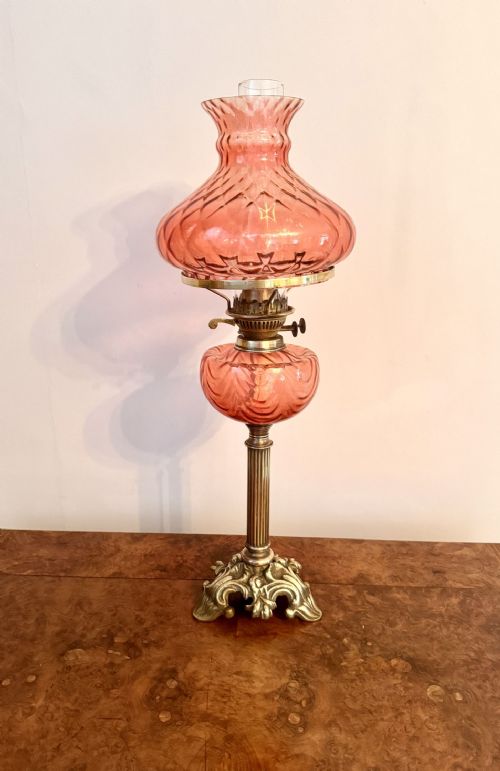
A decorative light fixture brings period character and ambient illumination to a room, ranging from brass oil lamps to crystal chandeliers.
Decorative Light Fixture
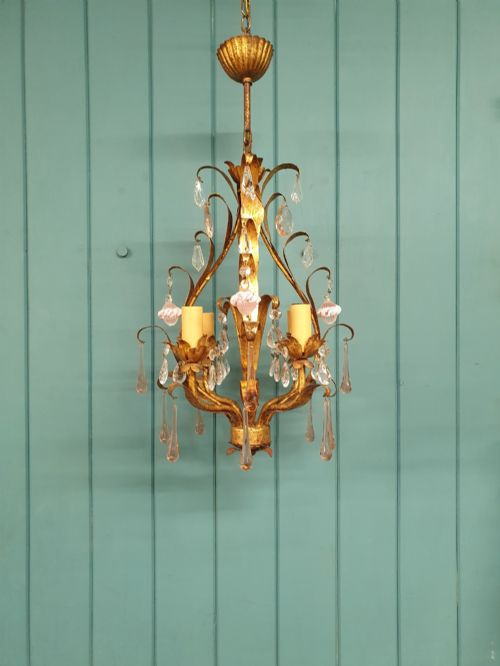
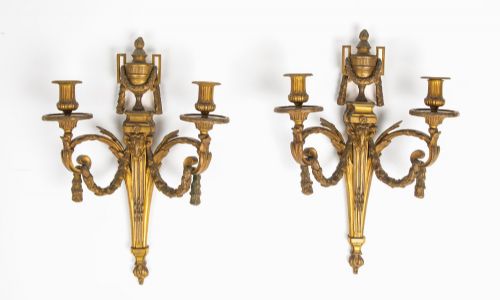
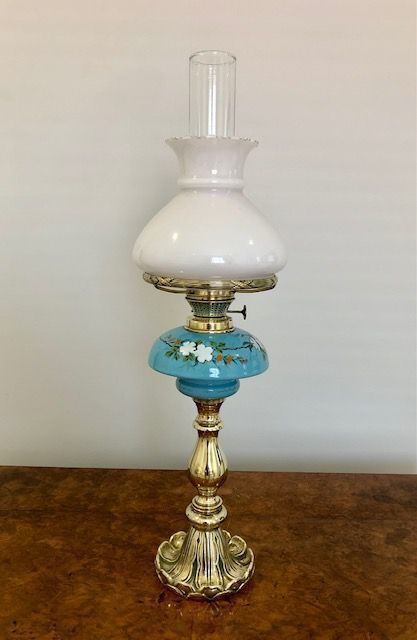
A decorative light fixture spans practical household lighting and ornamental fittings across the Victorian, Edwardian, and Art Deco periods. Buyers looking for a decorative light fixture will encounter various forms, including chandeliers, wall sconces, lanterns, and oil lamps.
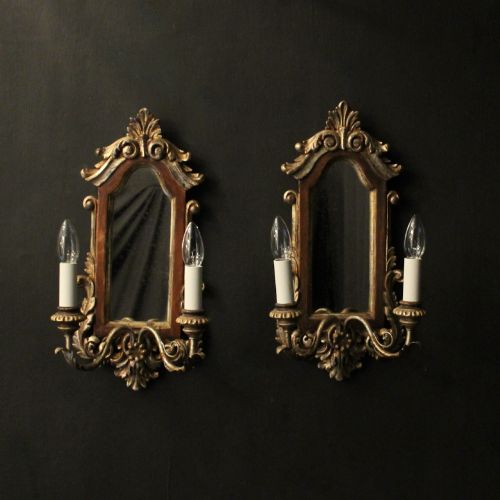
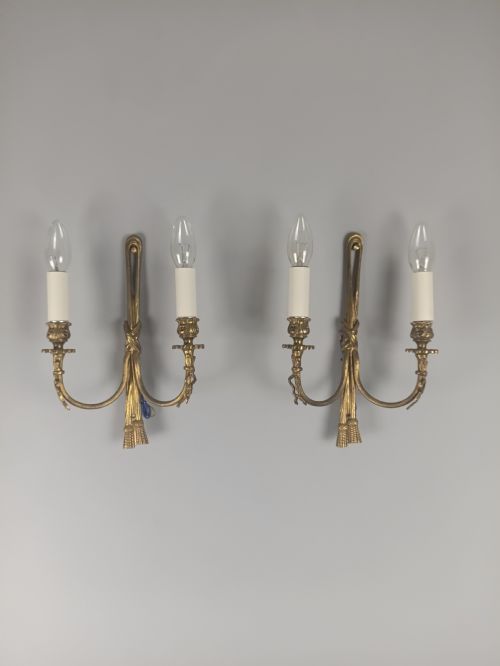
French and Italian workshops feature prominently among the origins, alongside English and American makers. Common configurations include multi-branch chandeliers, hall lanterns, and paired wall lights designed for symmetrical placement.
The materials reflect the prevailing tastes of the nineteenth and early twentieth centuries, pairing functional wiring with decorative metalwork and glass elements.
Materials and Technique
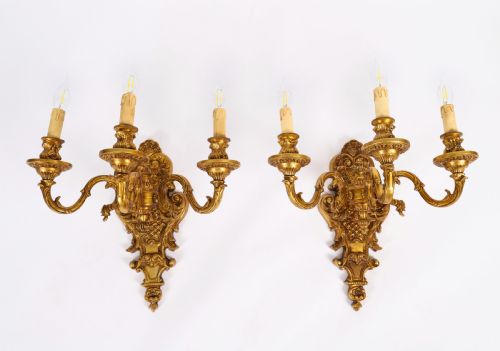
Brass, bronze, and wrought iron provide the structural framework for many pieces, shaped through casting, forging, and gilding. Gilt bronze, ormolu, and gilt metal surfaces often receive hand-finishing.
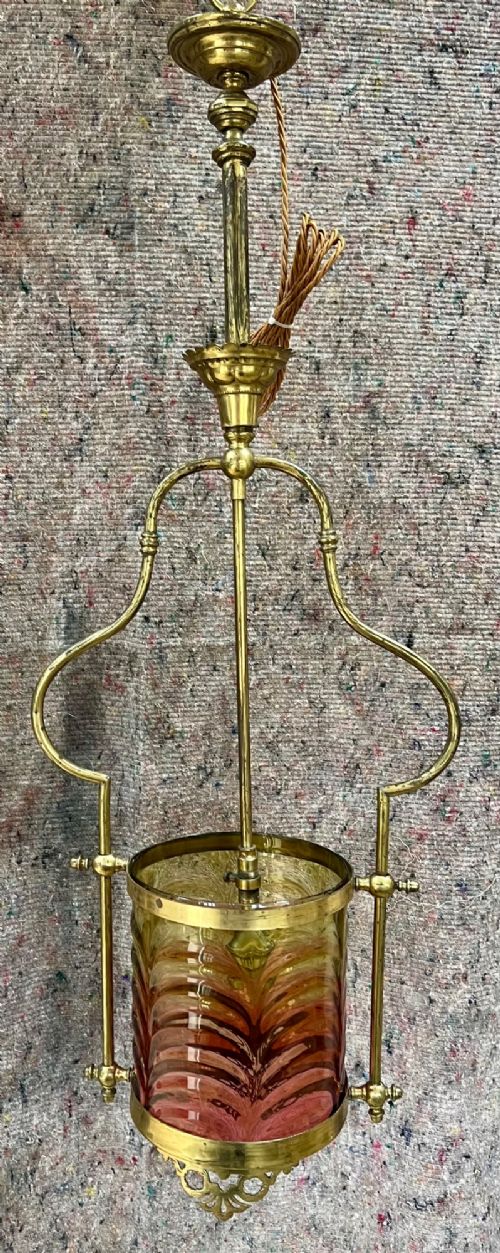
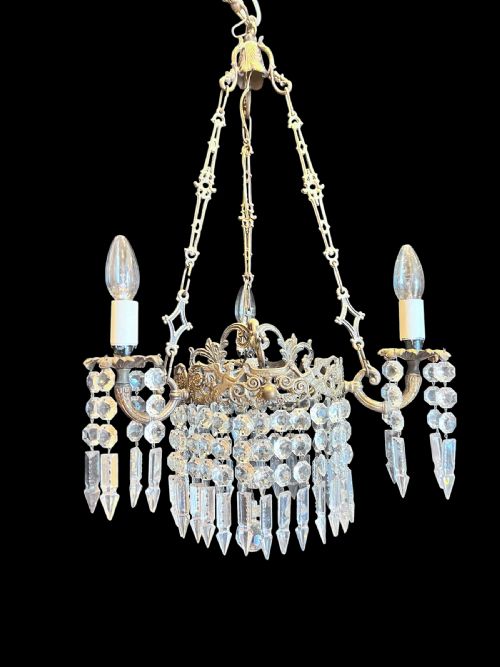
Glass components include hand-blown shades, cut crystal drops, leaded stained glass, and cranberry glass elements. Toleware and polychrome finishes add colour to specific French chandeliers and lanterns.
Decorative Light Fixture Retail Price Guide 2026
Typical asking prices for decorative light fixture among the pieces listed under this phrase on Sellingantiques today, from the lower quarter to the upper quarter. They describe what is for sale here now, not the wider market.
Several pieces incorporate whimsical details, including a green man lantern and crystal fruit drops shaped like grapes, apples, and pears.
Standards of Craftsmanship
The weight and thickness of the cast metal parts distinguish better pieces from simpler production items. Finer mounts display crisp chasing on bronze and brass, particularly around figural elements and foliage.
The clarity and cut of the crystal or glass components affect how light refracts through the fitting. Original glass shades, hand-cut drops, and consistent patination on metal surfaces indicate higher period integrity.
Liberty·Henri Honore Ple
The Decorative Light Fixture Glossary
- Ormolu
- Gilded bronze mounts used extensively on French furniture and lighting fixtures from the eighteenth century onwards. The technique involves applying a mercury and gold amalgam to a bronze base before heating.
- Girandole
- An ornamental wall-mounted candleholder or light fitting featuring mirrored glass or polished metal backs to reflect the light. Paired examples are common in Florentine and French interiors.
- Slip shade
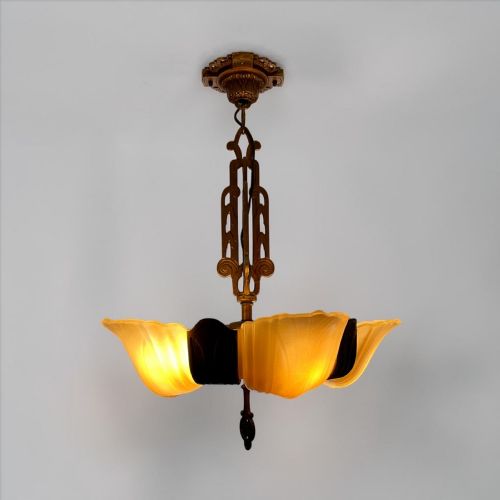
- A type of glass shade held in place by the metal frame of a ceiling light or lamp rather than screws. This style is frequently associated with Art Deco lighting designs.
Decorative Light Fixture: Frequently Asked Questions
Are these fittings ready for modern wiring?
Many antique light fixtures require rewiring or professional adaptation to meet current electrical standards. Some listings note that a piece has been rewired, while others retain their original electrical components or oil-burning configuration.
Consult a qualified electrician to check the internal wiring and ensure compatibility with your household circuit before installation. Conversion from oil or candle to electric is often straightforward for experienced restorers.
How do I clean an antique glass chandelier?
Remove delicate glass drops and crystal elements carefully if cleaning requires immersion in warm soapy water. Use a soft cloth and mild detergent to avoid scratching the surface of cut glass or coloured components.
Leave the metal frame in place if possible, wiping it gently with a dry or slightly damp cloth depending on the finish. Avoid harsh chemical cleaners that can strip gilding or damage patinated brass and bronze.
How do I identify the period of a light fixture?
Examine the materials, construction methods, and stylistic motifs to determine the era of manufacture. Victorian and Edwardian pieces often incorporate heavy brass, cranberry glass, or elaborate crystal drops, while Art Deco examples feature geometric forms and slip shades.
Stylistic cues such as Art Nouveau plant motifs, Louis XVI style ram's head masks, or Gothic Revival ironwork provide further clues to dating. Comparing the casting quality and assembly techniques with documented examples helps confirm the period.