


Decorative Lamp Base
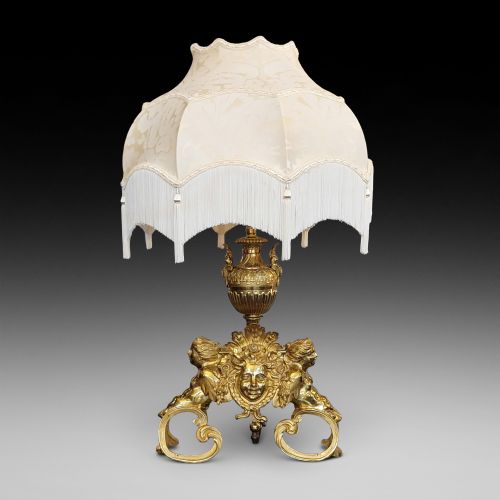
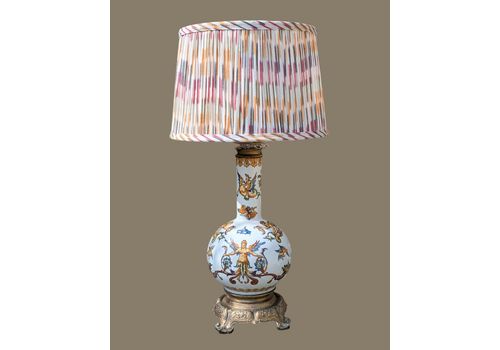
A decorative lamp base transforms interior illumination, offering sculpted form and historic character before a shade is even added.
Decorative Lamp Base
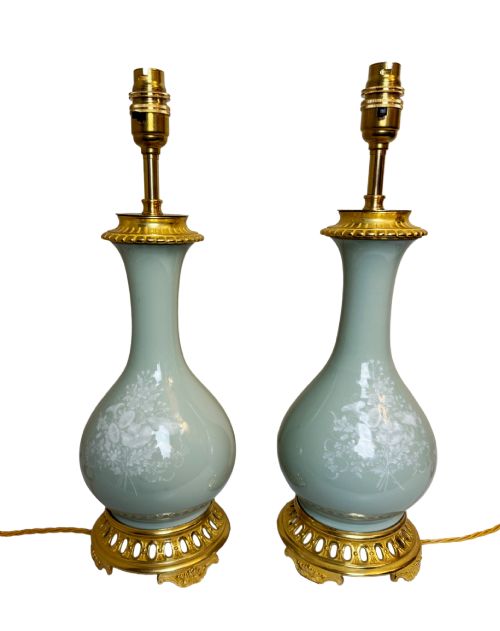
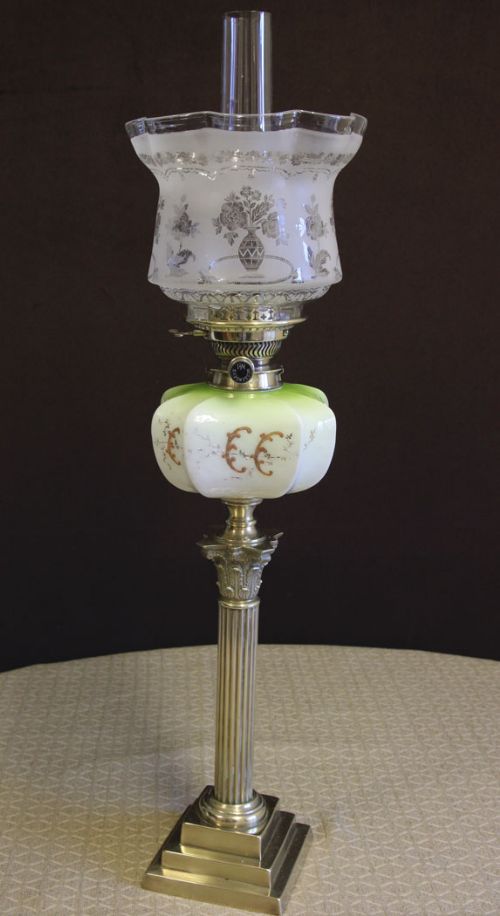
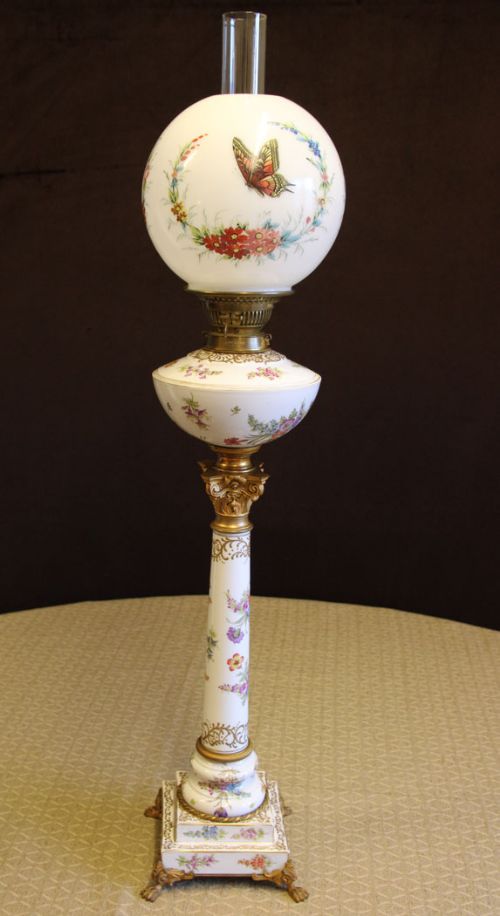
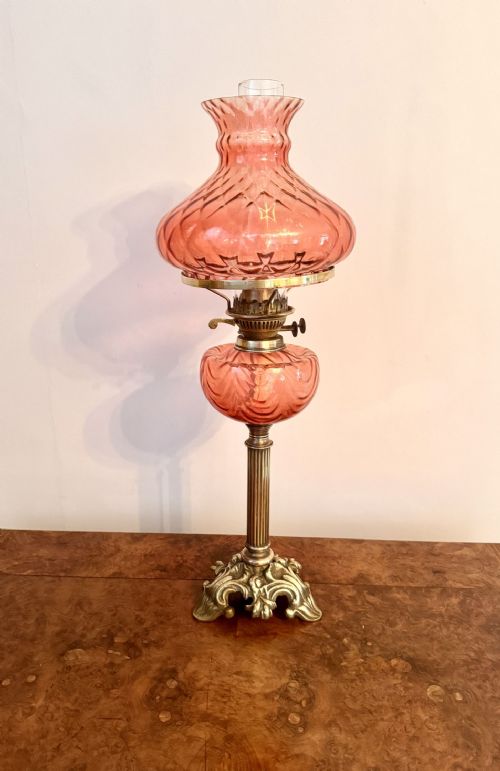
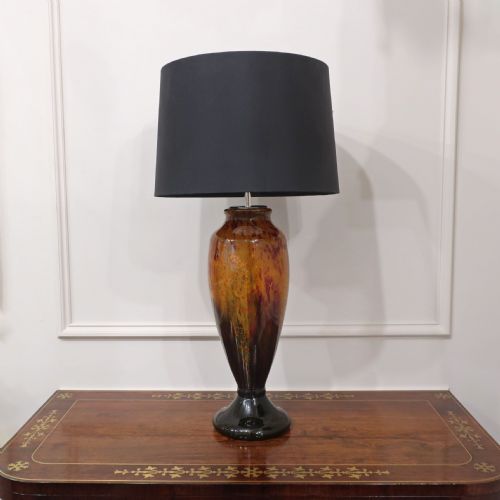
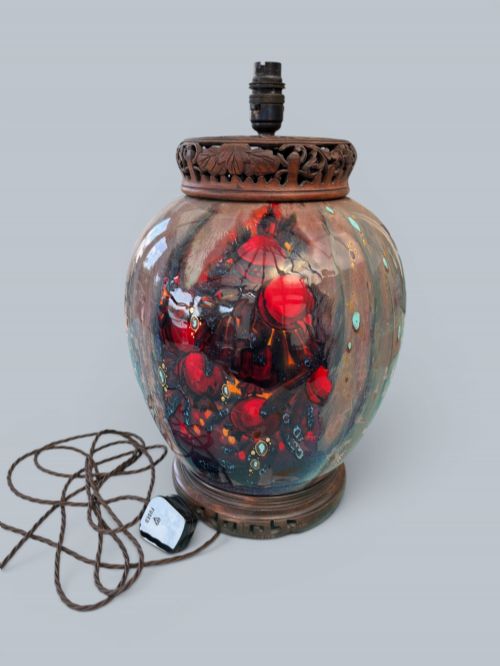
A decorative lamp base encompasses everything from converted Victorian oil lamps to neoclassical columns and porcelain vessels adapted for modern lighting. When exploring a decorative lamp base, buyers frequently encounter brass, crystal glass, and glazed ceramics originating from the nineteenth and early twentieth centuries.
The selection ranges from tall floor standards and slender column lights to table-standing urns and figural sculptures. Many pieces began life as vases, candlesticks, or tea canisters before receiving electrical fittings in later decades.
Origins span British workshops, French foundries, and Asian export studios, reflecting diverse aesthetic movements from Regency austerity to Art Deco styling.
Materials and construction methods
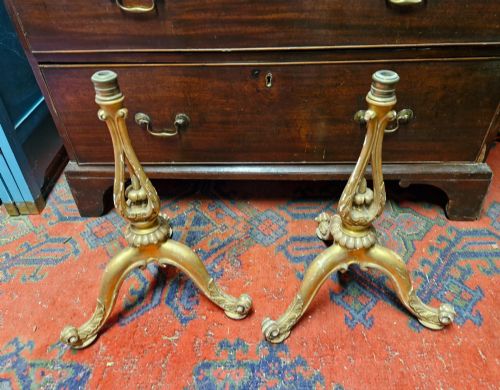
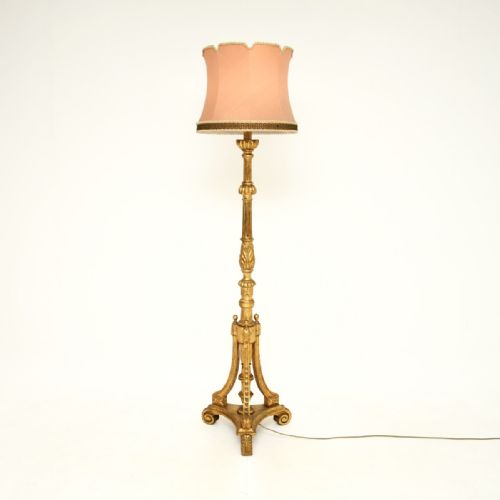
Metalwork forms a large proportion of these pieces, utilising cast brass, gilt bronze, and ormolu shaped into classical columns, tripod supports, and figural mounts. These metals often receive chased surface detailing or bright gilding.
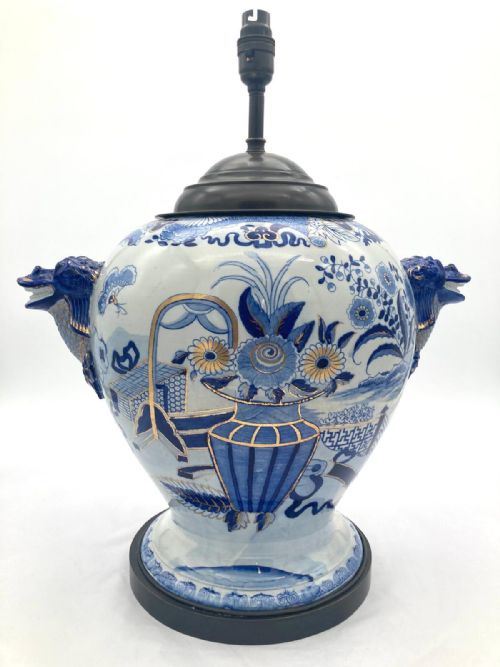
Ceramics and glass provide the colourful bodies of many designs, incorporating Paris porcelain, Majolica glazes, cranberry glass, and cut crystal. Artisans frequently paired these fragile vessels with heavy stone plinths or metal mountings to ensure stability.
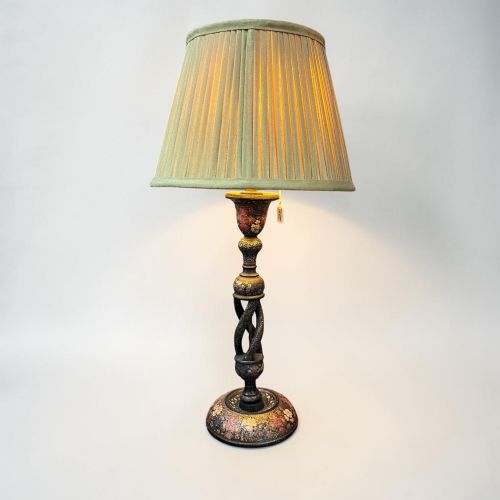
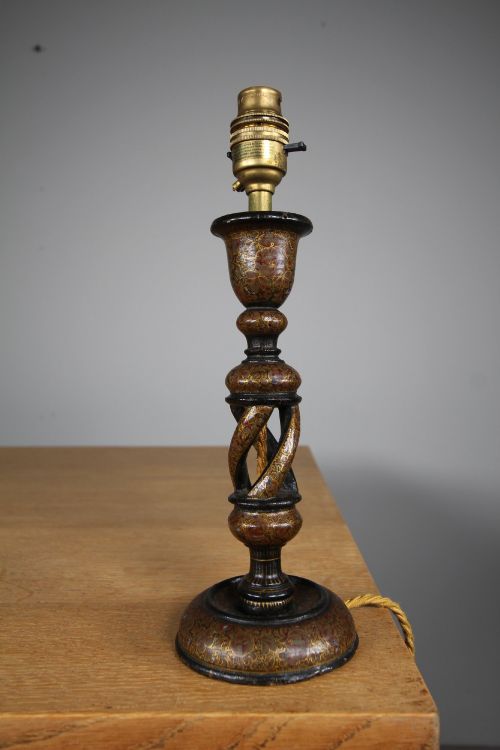
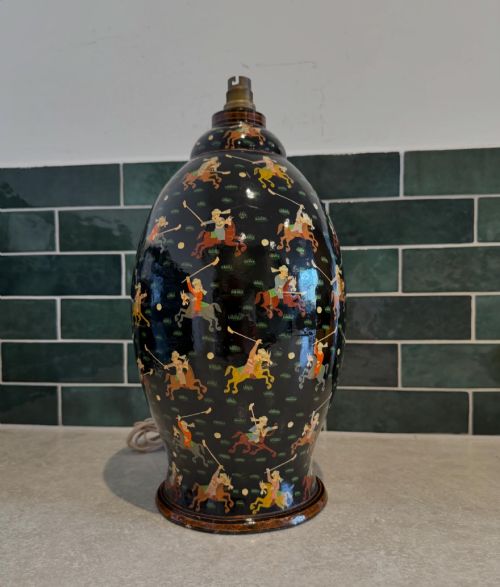
Organic materials such as wood, papier-mâché, and Kashmiri lacquer introduce painted motifs and hand-carved surfaces, particularly in Chinoiserie and Anglo-Indian items.
Decorative Lamp Base Retail Price Guide 2026
Typical asking prices for decorative lamp base among the pieces listed under this phrase on Sellingantiques today, from the lower quarter to the upper quarter. They describe what is for sale here now, not the wider market.
A solitary mermaid carved into rock crystal holds up an antique French torch lamp, watching the room with mythical indifference.
Distinguishing manufacturing quality
The distinction between standard production and exceptional manufacture lies in the crispness of the casting and the depth of hand-finishing. Finely chased ormolu mountings and sharply defined porcelain glazes indicate superior craftsmanship.
Material integrity significantly influences the overall standard, distinguishing solid cast metals and heavy lead crystal from lighter pressed alternatives. The harmonious proportion between the base and its original or adapted vessel dictates visual balance.
The skill involved in converting older objects - such as antique vases or candlesticks - determines how sympathetically the electrical fittings integrate with the historic body.
WAS Benson·P.Sega·Charles Schneider·Moorcroft·Hicks and Meigh·Royal Worcester
The Decorative Lamp Base Glossary
- Campana urn
- A bell-shaped vessel with a flaring rim, frequently utilised as the primary body for classical lamp conversions. This ancient form derives from Roman garden vases.
- Cloisonne
- A decorative metalwork technique where enamel paste is applied within compartments created by soldered wire before firing. The resulting surface displays intricate coloured patterns.
- Ormolu
- Gilded bronze ornamentation applied to furniture and lighting fixtures during the eighteenth and nineteenth centuries. The technique involves coating base metals with a mercury and gold amalgam.
- Corinthian column
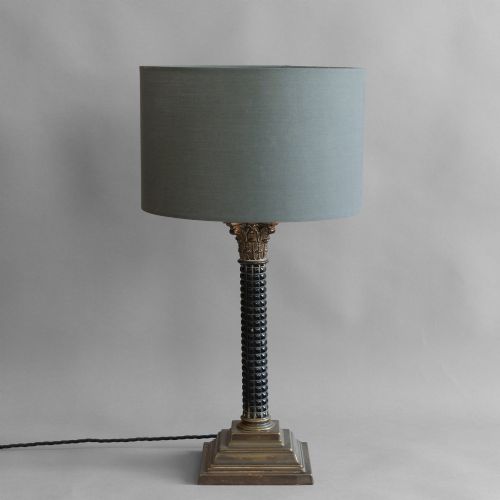
- An architectural order featuring ornate capitals decorated with acanthus leaves, frequently replicated in brass for tall table and floor lamps. This classical design provides a formal vertical silhouette.
Decorative Lamp Base: Frequently Asked Questions
Are these lamp bases recently rewired?
Many older pieces arrive with modern electrical wiring to meet safety standards, while others retain older fittings that require updating.
Buyers should inspect the internal cord and plug configuration to determine if professional rewiring is necessary before daily use.
Can I use any lampshade on these bases?
Shade selection depends on the height, weight, and fitting type of the specific column or urn. Heavier marble and bronze bases easily support larger fabric shades without tipping.
Matching the proportions of the shade to the diameter of the base ensures visual balance within a room.
How do I identify a converted oil lamp?
Converted oil lamps typically feature a central metal reservoir or burner mechanism adapted with a threaded electrical socket. These pieces often showcase heavy brass or ceramic fonts designed to hold fuel originally.
Retaining the original burners or galleries inside the structure points towards a nineteenth-century lighting origin.
What distinguishes floor standards from table lamps?
Floor standards are tall, freestanding vertical pieces designed to rest directly on the floor, often incorporating heavy weighted bases or tripod legs for stability.
Table lamps feature shorter dimensions intended for placement on sideboards, desks, or occasional tables.