
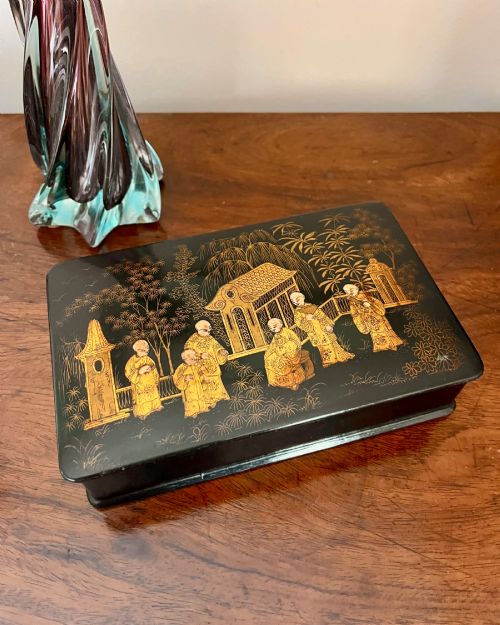
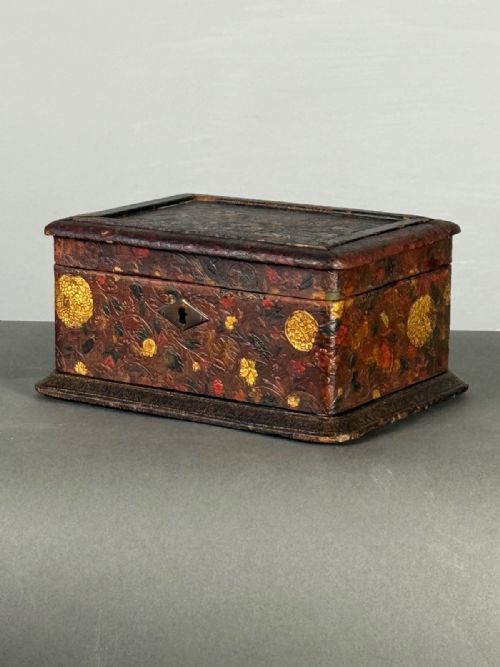
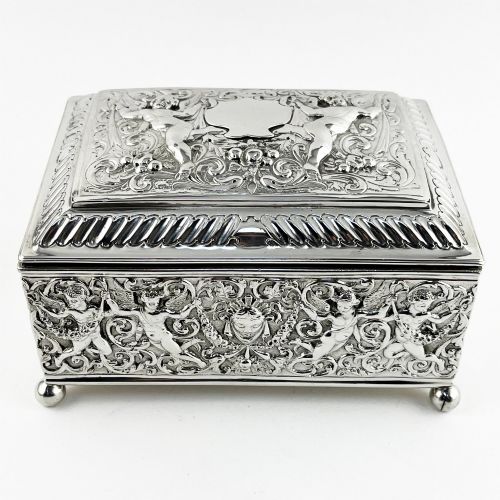
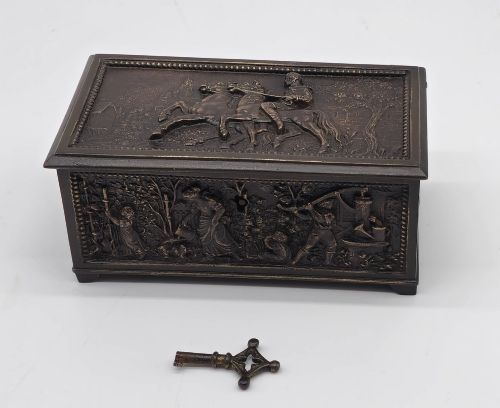


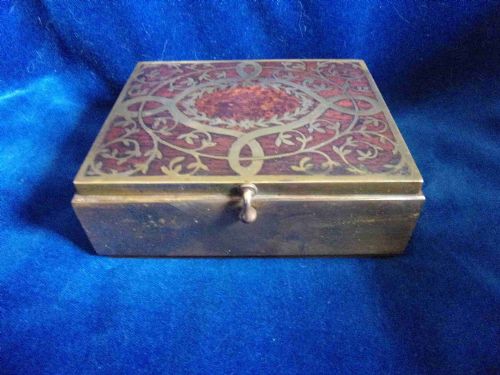

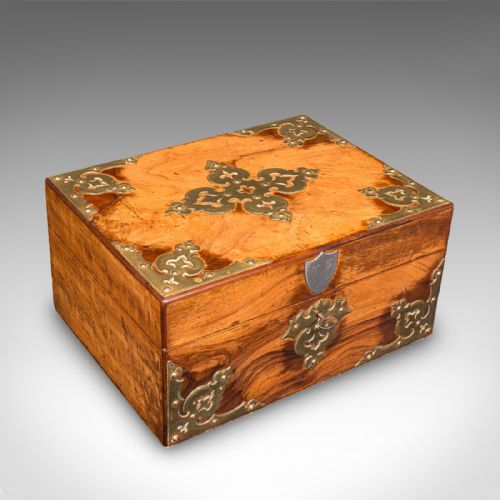


Decorative Jewellery Casket
A decorative jewellery casket holds personal treasures while adding texture and history to a room.
Decorative Jewellery Casket
A decorative jewellery casket is a small container designed to store trinkets, keepsakes, and valuables upon a dressing table or desk. When searching for a decorative jewellery casket, buyers encounter forms spanning the Regency, Victorian, and Edwardian eras. These pieces range from simple wooden boxes to elaborate metal and porcelain caskets.
The materials reflect global trade and local craftsmanship of the nineteenth and early twentieth centuries. Common variations include burr walnut, rosewood, lacquered finishes, and metal mounts. Many items incorporate inlaid patterns, hand-painted scenes, or applied enamel details.
Origins vary widely across British, European, and Asian workshops. Pieces often align with stylistic movements such as Gothic Revival, Art Nouveau, and Chinoiserie. Each box serves as a functional storage container and a distinct decorative object.
Materials and Construction
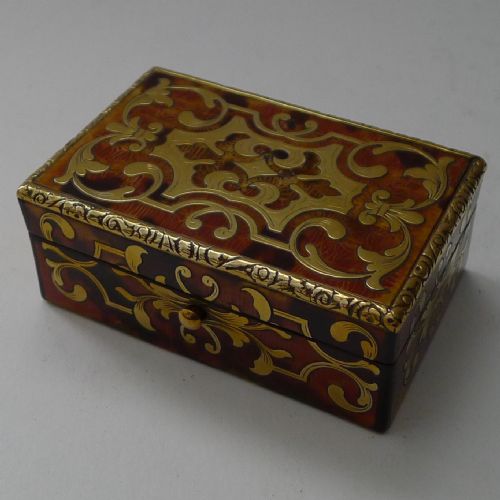
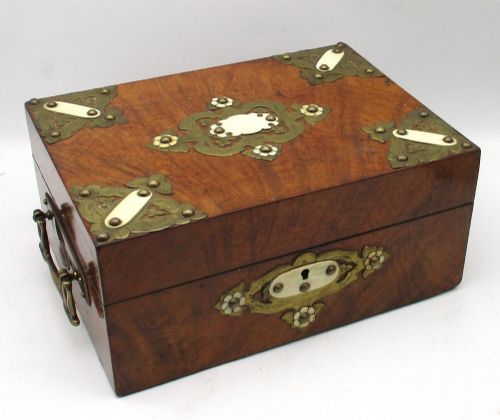
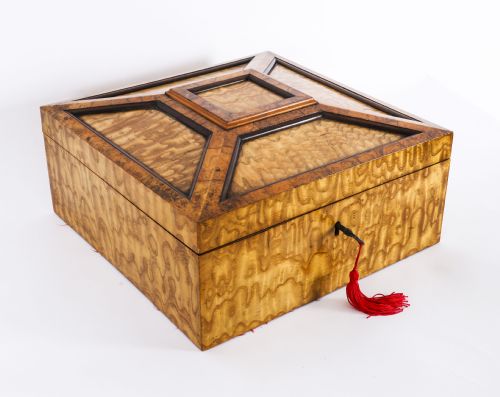
Cabinet makers utilised dense hardwoods like walnut, rosewood, and ebony, often applying intricate veneers such as burr maple or parquetry. Metal caskets relied on bronze, brass, and steel, sometimes enhanced with beaten surfaces or silver plating.
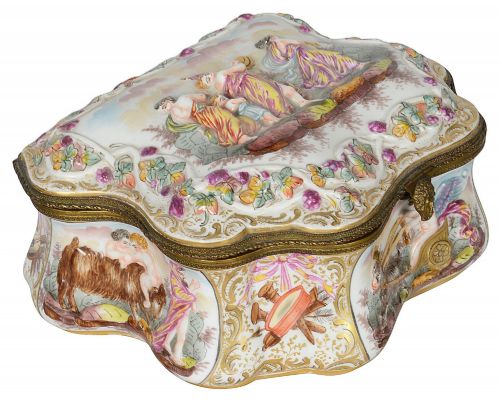
Surface decoration required specialised techniques including leather tooling, lacquering, porcelain painting, and cloisonné enamel work. Inlaid details incorporated mother of pearl, bone, and porcupine quill arranged in geometric or pictorial compositions.
Some nineteenth-century boxes incorporated porcupine quill alongside delicate bone and tortoiseshell.
Evaluating Quality
Quality rests in the precision of the construction and the crispness of the surface ornament. Finely carved timber, tightly fitted brass mounts, and detailed hand-painted panels distinguish superior pieces from standard production.
The integrity of the internal lining and the complexity of the exterior inlay dictate the tier of the object. Master craftsmanship shows in symmetrical parquetry, secure hinges, and well-preserved enamel or leather work.
Susse Freres·Erhard and Sohne·S Theeman
The Decorative Jewellery Casket Glossary
- Boulle
- A method of marquetry using brass and tortoiseshell inlaid into furniture and boxes. Named after a French cabinet maker, it creates a striking metallic contrast against a dark background.
- Cloisonné
- An enamelling technique where metal wire forms compartments on a metal base to hold coloured glass paste. Firing fuses the enamel to create vibrant decorative patterns.
- Tunbridge Ware
- A type of woodwork featuring mosaic patterns constructed from thousands of tiny coloured wood blocks. This meticulous technique produces detailed geometric or pictorial motifs.
- Marquetry
- The art of applying thin veneer pieces to a wooden structure to form decorative pictures or patterns. Artisans select woods of contrasting natural colours to build depth.
- Parquetry
- A geometric mosaic of wood pieces used to cover surfaces in regular patterns. It relies on precise angles and straight lines rather than pictorial designs.
Decorative Jewellery Casket: Frequently Asked Questions
What is a decorative jewellery casket?
A decorative jewellery casket is a small, ornate container designed to store precious personal items like rings and trinkets.
These boxes combine practical storage with elaborate exterior ornamentation suited for display on tables or desks.
How were these boxes used historically?
Historically, owners kept these caskets on dressing tables, boudoirs, or writing desks to hold daily accessories, letters, and keepsakes.
They offered a secure and aesthetically pleasing place for small valuables in domestic interiors.
How do I identify a Victorian casket?
Victorian caskets often feature dense hardwoods like walnut or rosewood, combined with brass mounts, mother of pearl inlay, or parquetry.
The styles reflect periods of revivalism, incorporating Gothic or Rococo decorative elements.
How should I care for an antique box?
Keep antique boxes away from direct sunlight and extreme temperature fluctuations to protect delicate wood veneers and inlaid materials.
Dust surfaces gently with a dry cloth and avoid harsh chemical polishes that might damage aged finishes.