

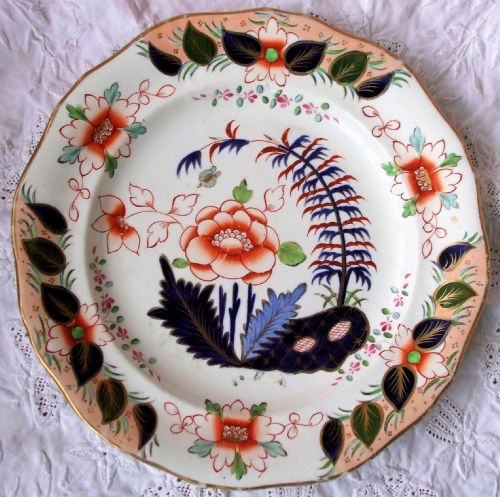


Decorative Ironstone Dish
These decorative ironstone dish pieces offer robust earthenware body and rich hand-painted palettes, drawing collectors who value both durability and striking display presence.
Decorative Ironstone Dish
A decorative ironstone dish encompasses sturdy ceramic tablewares and serving vessels produced across the Georgian, Victorian, Edwardian, and later periods. These pieces include decorative plates, serveware, comports, footed bowls, tureens, decorative chargers, and soup tureens.
Buyers encountering this page will most frequently meet nineteenth-century examples, particularly robust plates and tureens displaying popular transfer-printed and hand-painted orientalist motifs.
Origins span notable English manufacturers working in ironstone ceramic and stoneware, bridging the gap between utilitarian kitchenware and formal display pieces.
Materials and production methods
Potters formed these items from heavy ironstone ceramic and stoneware bodies designed to withstand regular use while retaining crisp moulded details. The dense clay body provided a durable foundation for thick glaze layers.
Decoration relied on hand-painted enamels, sometimes enhanced with gold leaf and gilt accents, applied over or under the glaze. Makers also employed transfer-printing techniques to render complex Chinoiserie and oriental-style patterns before final kiln firing.
Decorative Ironstone Dish Retail Price Guide 2026
Typical asking prices for decorative ironstone dish among the pieces listed under this phrase on Sellingantiques today, from the lower quarter to the upper quarter. They describe what is for sale here now, not the wider market.
Current listings feature ironstone and stoneware items spanning the Georgian period through the Edwardian era and into the 1920s.
Assessing quality in ironstone
Excellence in these ceramics rests upon the crispness of the moulded relief work and the precision of the hand-painted enamels. Finer examples display meticulous brushwork in complex patterns such as Chinoiserie or Imari designs, where colours remain vibrant and sharply delineated.
The sophistication of the glaze and the application of gold leaf or gilt detailing separate standard utility wares from superior decorative chargers and comports. Early nineteenth-century pieces often demonstrate greater depth in hand-applied colour compared to later twentieth-century productions.
John Davenport of Longport·John Ridgway·C.J. Mason·Mason's Ironstone
The Decorative Ironstone Dish Glossary
- Ironstone
- A dense, durable type of earthenware patented in the nineteenth century to imitate porcelain. It combines ball clay, feldspar, and slag of basalt.
- Chinoiserie
- A European artistic style reflecting Chinese motifs and decorative techniques. This aesthetic heavily influenced nineteenth-century pottery patterns.
- Comport
- A large footed bowl or dish used for serving fruit or sweets at the table. These elevated vessels form part of traditional nineteenth-century serveware.
- Tureen
- A deep covered vessel used for serving soups or sauces. They frequently feature decorative handles and matching stands.
- Charger
- A large decorative plate used primarily for display rather than for serving food. These items often showcase elaborate hand-painted patterns.
Decorative Ironstone Dish: Frequently Asked Questions
What is ironstone pottery?
Ironstone is a heavy, durable ceramic material developed in the nineteenth century as a tough alternative to imported porcelain. It offers high resistance to chipping while accepting rich enamel colours.
Potters used this dense body for everything from everyday tableware to large decorative chargers and soup tureens.
How were these dishes used?
Many of these pieces served practical functions at formal dining tables, holding soups, sauces, cheese, or fruit during multi-course meals. Large tureens and comports sat as centrepieces.
Others, particularly chargers and heavily ornamented plates, functioned purely as decorative display items in dining rooms and parlours.
How do I identify a Georgian piece?
Georgian examples often display early nineteenth-century characteristics, including hand-painted Chinoiserie motifs and distinct early maker marks. The enamel work tends to show subtle variations from later Victorian production.
Examining the weight, glaze consistency, and pattern style helps place a piece within the Regency and Georgian eras.
Can I use ironstone daily?
While ironstone was originally built for robust service, antique decorative pieces require careful handling to preserve fragile enamels and gold leaf highlights. Modern dishwashers and harsh detergents can damage the historic glaze.
Gentle hand washing ensures that hand-painted patterns and gilt details remain intact for years to come.