





Decorative Iron Lighting
These pieces of decorative iron lighting bring weight and distinct character to a room through solid metalwork and glass.
Decorative Iron Lighting
Decorative iron lighting encompasses sturdy fixtures designed to illuminate interiors and porches through functional metalwork. Buyers search for decorative iron lighting to find characterful items ranging from heavy ceiling lanterns to robust table lamps.
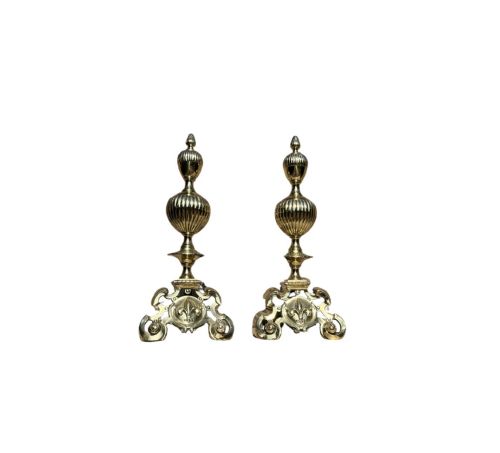
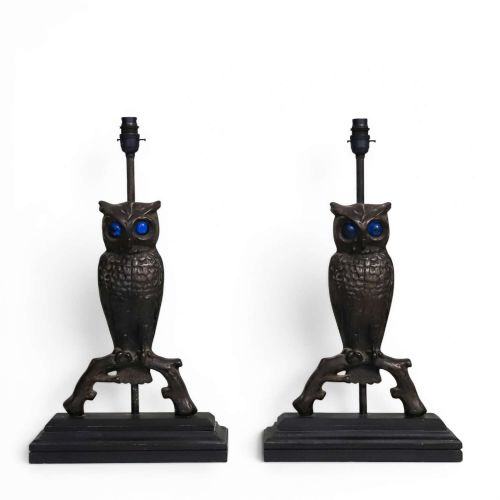
The selections span several distinct periods including Victorian and 1930s examples, alongside earlier nineteenth century pieces. Forms include hall lanterns, chandeliers, wall sconces, and converted andirons forming unique lamps.
French and Amsterdam School origins appear frequently among the listings, often featuring wrought iron or cast iron construction. These pieces bring historical presence and industrial or rustic charm directly into domestic spaces.
How they were made
Makers utilised wrought iron and cast iron for structural strength, shaping the metal by hand or casting it into intricate decorative patterns. Blacksmiths forged hooks, arms, and brackets while integrating painted finishes or gilt highlights.
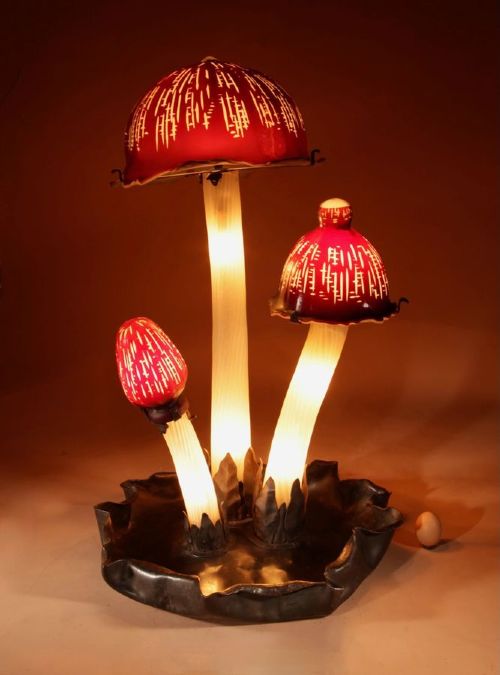
Glass elements such as stained glass panels, art glass shades, and coloured crystal fruits complete many designs. These components work together to diffuse light while adding texture and colour to the heavy metal frames.
Decorative Iron Lighting Retail Price Guide 2026
Typical asking prices for decorative iron lighting among the pieces listed under this phrase on Sellingantiques today, from the lower quarter to the upper quarter. They describe what is for sale here now, not the wider market.
Listed periods span the Victorian era, the nineteenth century, and the decades from 1900 through to 1930.
What varies in quality
Quality rests in the finesse of the metalwork and the integrity of the integrated glass components. Superior examples display careful hand-forged details, clean casting lines, and well-preserved decorative treatments.
The connection between the iron framework and delicate glass panels or crystals demonstrates the maker's skill. Robust construction combined with balanced proportions distinguishes finer lanterns and lighting fixtures from simpler utility items.
The Decorative Iron Lighting Glossary
- Wrought iron
- Iron that has been heated and worked with tools by a blacksmith to form durable shapes. This material bends under the hammer rather than breaking, allowing for fluid scrolls and sturdy structural brackets.
- Hall lantern
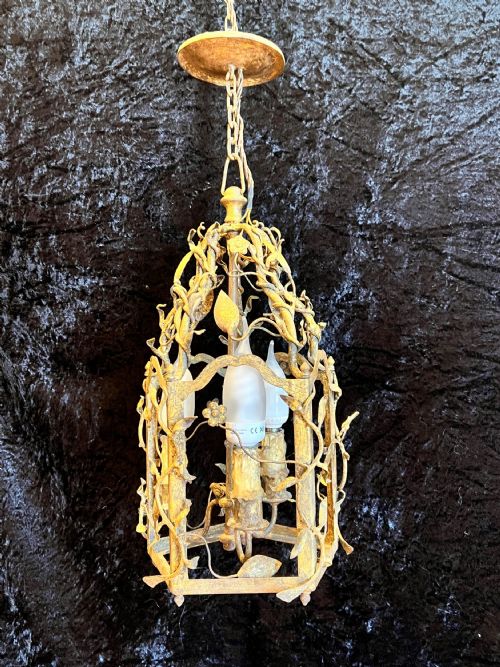
- An enclosed hanging light fixture traditionally placed in entranceways or corridors. These fixtures often feature glass panels held within metal frames to protect the flame or bulb from drafts.
- Pricket candlestick
- A heavy candle holder featuring a central spike to secure the candle rather than a socket. These often appear in brass and iron combinations from early twentieth century workshops.
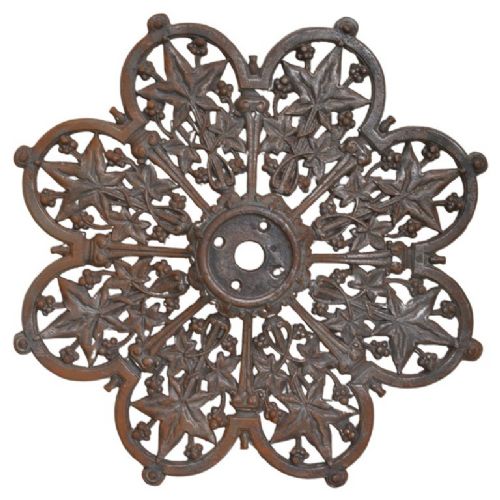
- Ceiling rose
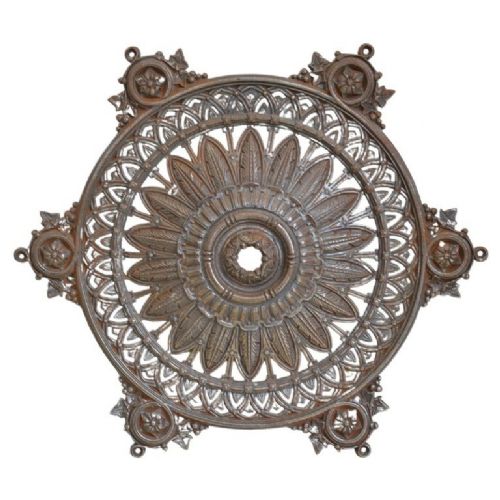
- An ornamental plaster or cast iron disc affixed to the ceiling around the base of a light fitting. Victorian iron versions frequently incorporate leaf and feather motifs.
- Amsterdam School
- An architectural and design style originating in the Netherlands during the early twentieth century. It favours expressionist forms, traditional craftsmanship, and rich detailing in metal and wood.
Decorative Iron Lighting: Frequently Asked Questions
What is decorative iron lighting?
These items are functional light fittings and lanterns constructed primarily from iron or steel, often paired with glass or crystals. They range from large hanging hall lanterns to small table lamps.
Such pieces combine utilitarian metal strength with ornamental design, originating from periods like the Victorian era and the 1930s.
How do I hang a hall lantern?
Hanging a heavy iron lantern requires locating a secure ceiling joist or using appropriate structural fixings to support the weight. The chain or bracket must be securely fastened to bear the load safely.
Professional electrical installation ensures the internal wiring connects properly to your mains supply while maintaining the vintage appearance.
Where should I place wall sconces?
Wall sconces fit well on either side of fireplaces, mirrors, or along hallway walls to provide ambient illumination. Their metal frames cast distinctive shadows and add architectural interest to plain surfaces.
Ensure they are mounted at a suitable height to cast light effectively without obstructing movement through the space.