




Decorative Inlaid Furniture
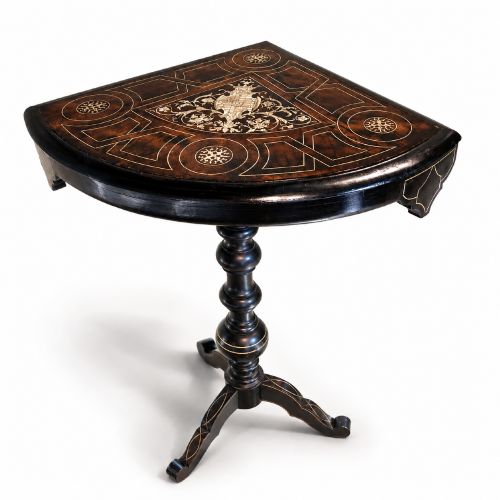
Decorative inlaid furniture brings together contrasting woods, metals and shell to create patterned surfaces across tables, cabinets and seats.
Decorative Inlaid Furniture
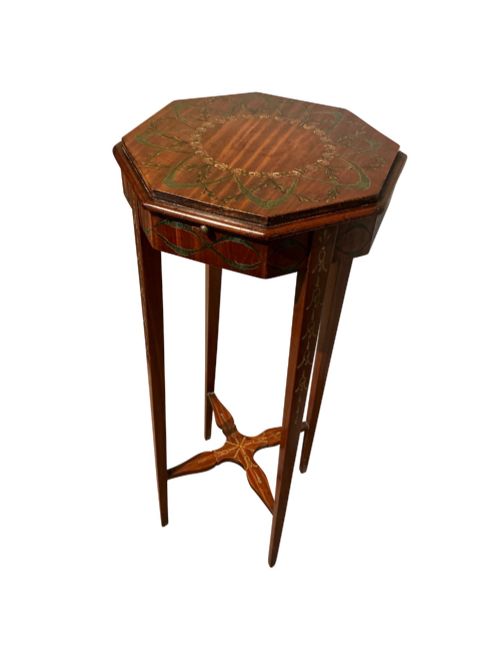
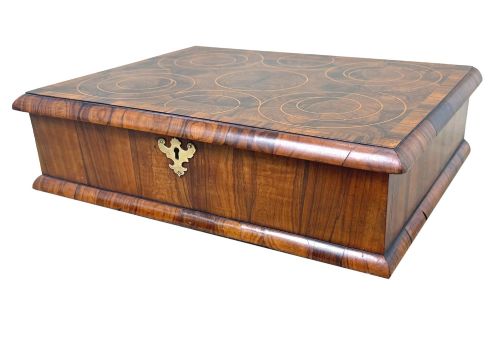
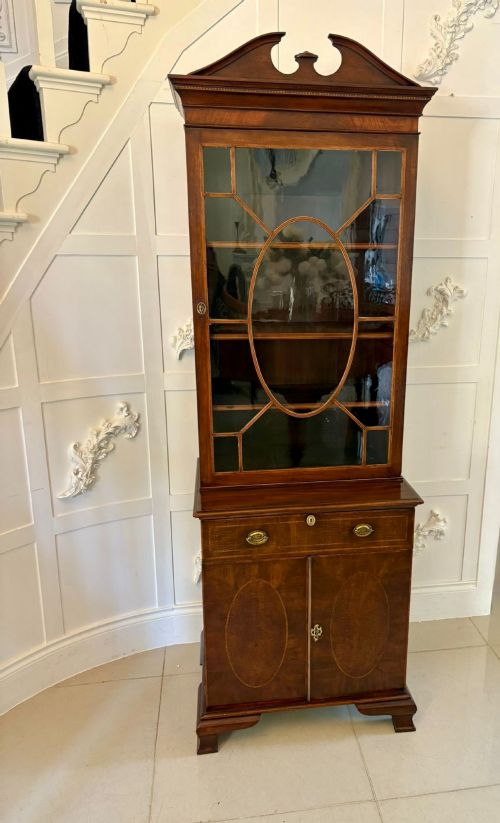
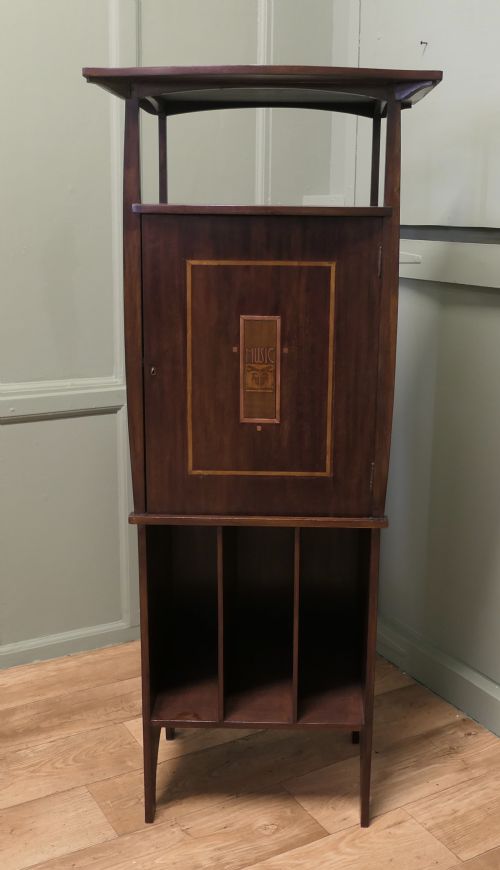
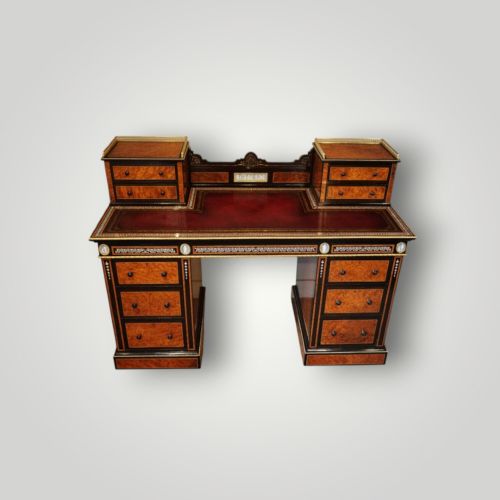
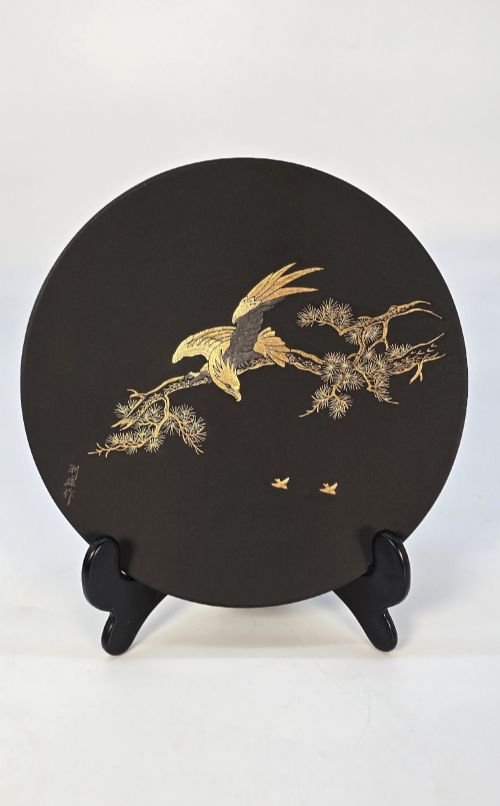
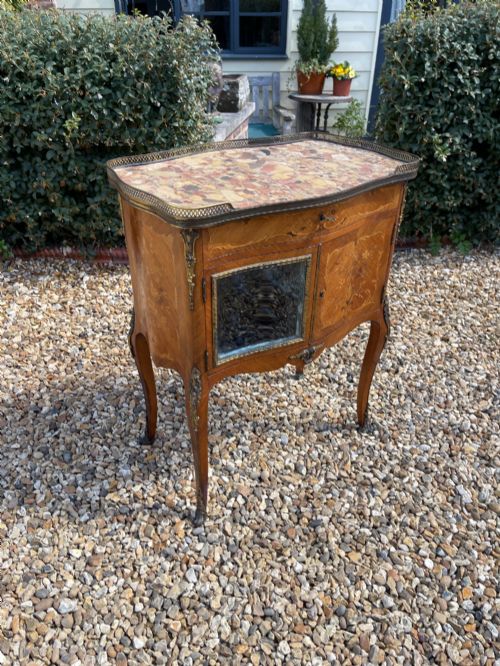
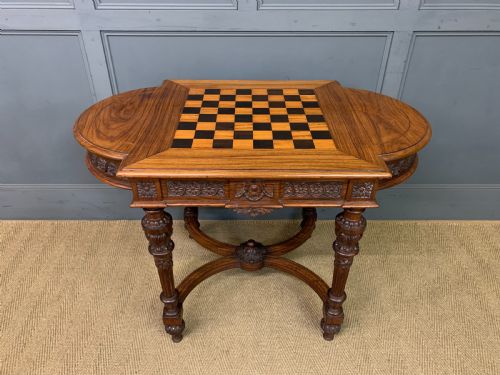
Decorative inlaid furniture encompasses practical items like side tables, music cabinets, desks and benches transformed by surface ornamentation. Pieces span the eighteenth century, the Victorian era, the Edwardian period and the early twentieth century.
Mahogany and rosewood feature frequently alongside oak and walnut, decorated with varied patterns using brass, mother of pearl and bone. Styles range from Victorian and Sheraton Revival to Arts and Crafts and Anglo-Indian origins.
How they were made
Craftsmen built structural carcases from timbers such as mahogany, rosewood, oak and walnut, preparing them to receive contrasting surface elements. Base woods provide stable foundations for the detailed work applied across tops, doors and panels.
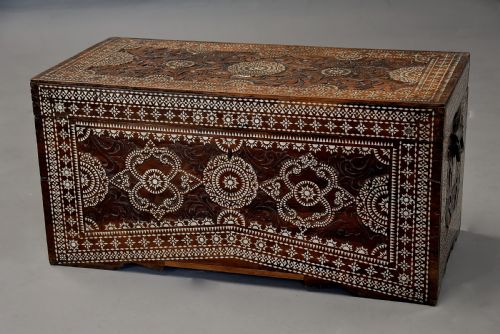
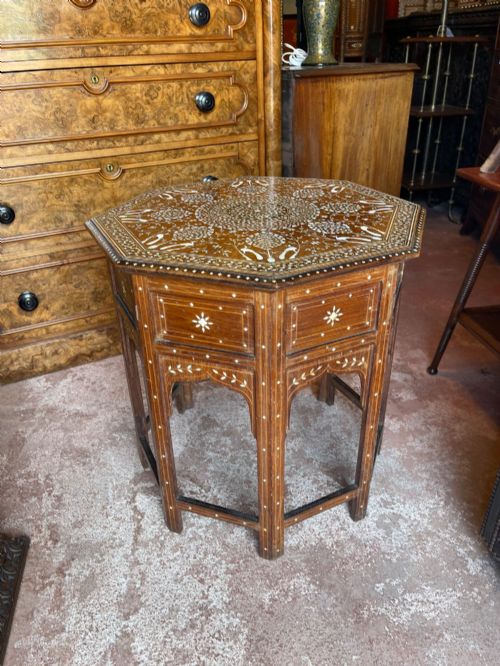
Makers set materials like brass, mother of pearl, bone and ivory directly into recesses cut into the timber surface. The combination of dark woods and light or metallic inlay creates the contrasting decorative finish characteristic of these pieces.
Decorative Inlaid Furniture Retail Price Guide 2026
Typical asking prices for decorative inlaid furniture among the pieces listed under this phrase on Sellingantiques today, from the lower quarter to the upper quarter. They describe what is for sale here now, not the wider market.
A flintlock pistol with brass furniture sits among the wooden cabinets, proving that decoration was applied to almost anything that held still.
What varies in quality
Execution of the design dictates standard, separating standard workshop output from finer productions. Precision in the fitting of inlay materials into the timber ground marks the division between basic assembly and skilled manufacture.
Material selection influences the character of each item, with dense timbers and well-chosen contrasting elements achieving greater visual depth. The integration of structural form with surface pattern determines the success of the piece.
GM Elwood·JS Henry·Jackson and Graham
The Decorative Inlaid Furniture Glossary
- Inlay
- A technique where pieces of a contrasting material are set into a recess flush with the surrounding surface of the wood. This method creates geometric or figurative patterns across panels and tabletops.
- Etagere
- A set of open shelves supported by small columns used for displaying small objects. These tiered pieces often feature decorative inlays along the shelf edges.
- Lowboy
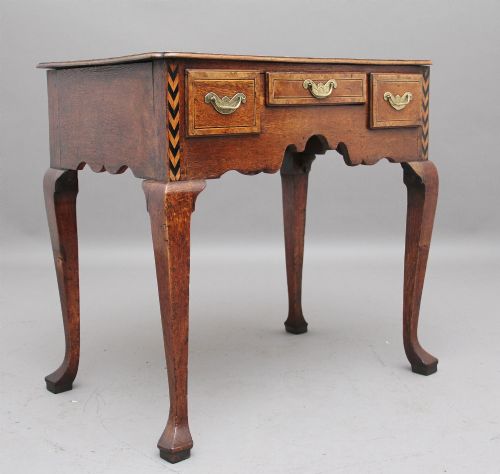
- A small side table with drawers, typically raised on four legs and dating from earlier periods. Examples often display simple timber construction enhanced by grain patterns.
- Shodana
- A traditional Japanese multi-tiered display cabinet featuring irregular shelving and decorative panels. These cabinets incorporate intricate surface details suited for collections.
- Satinwood
- A lustrous tropical timber with a yellowish colour used for contrasting details in cabinet work. It provides a bright element within dark wood furniture.
Decorative Inlaid Furniture: Frequently Asked Questions
What is decorative inlaid furniture?
These pieces include tables, cabinets, desks and chests adorned with contrasting materials set into the timber surface. They span multiple periods from the eighteenth century to the early twentieth century.
Workshops utilised materials such as brass, bone, ivory and mother of pearl against rosewood, mahogany, walnut and oak. Styles range from British revival designs to Middle Eastern and East Asian work.
How should I clean inlaid surfaces?
Dust surfaces regularly with a soft, dry cloth to prevent dirt accumulation in the joints between the timber and the inlay. Avoid using excessive moisture or harsh chemical sprays.
Maintain the wood and inlay using traditional waxes applied sparingly and buffed gently. This preserves the contrast between the timber and the decorative elements without lifting the embedded materials.
How do I identify Edwardian inlaid pieces?
Edwardian items often display lighter mahogany or satinwood surfaces with refined linear inlay patterns influenced by Sheraton Revival styles. Construction methods from this period show clean internal fitting and lighter proportions.
Compare the secondary timbers and the style of the inlay work with dated examples from the same era. Notice how lighter wood tones and delicate floral or geometric motifs distinguish this period from heavier Victorian designs.
Where can I place these pieces at home?
Occasional tables, side tables and wall shelves fit easily into living spaces and hallways as functional surfaces. Larger items like bookcases and music cabinets serve as focal points for storage and display.
Keep pieces away from direct sunlight and heat sources to protect the timber and prevent the inlay materials from loosening. Stable indoor humidity keeps the wood movement minimal.