
Decorative Glass Mirror
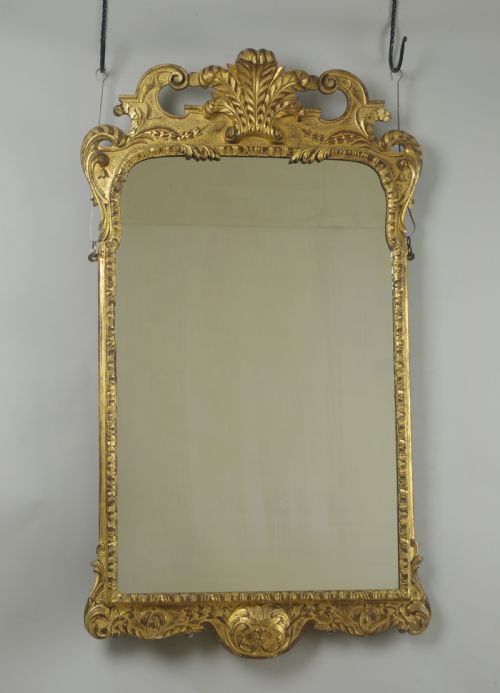
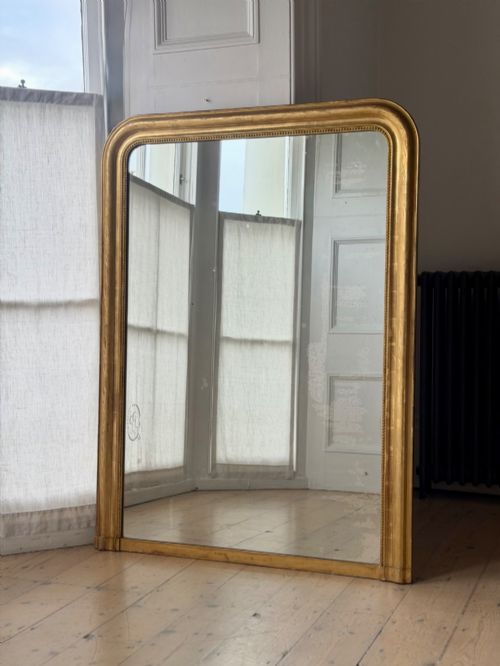
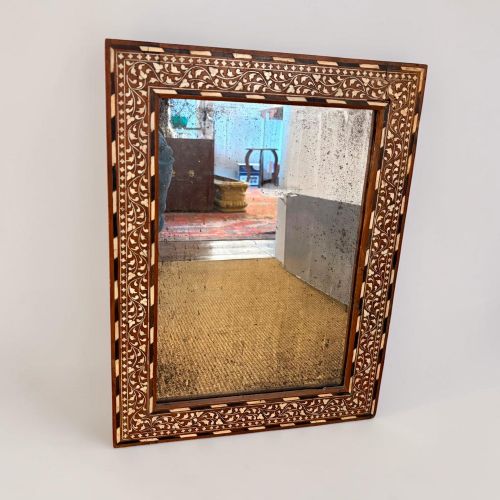
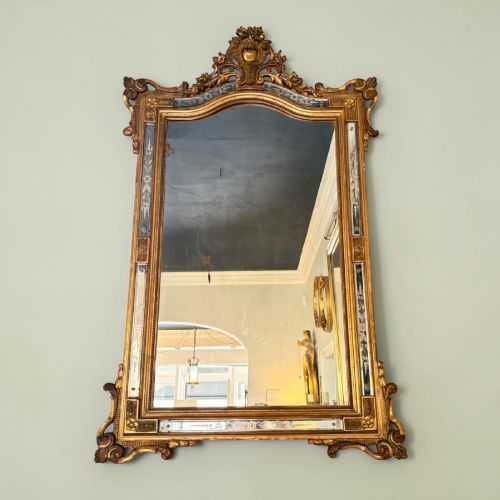
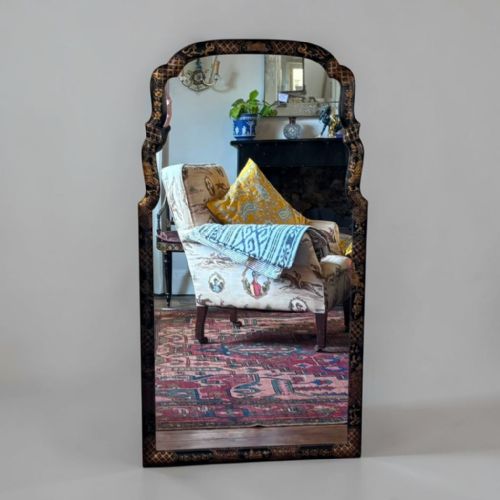
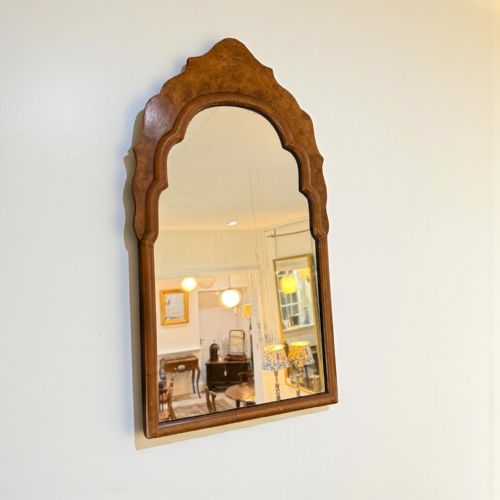
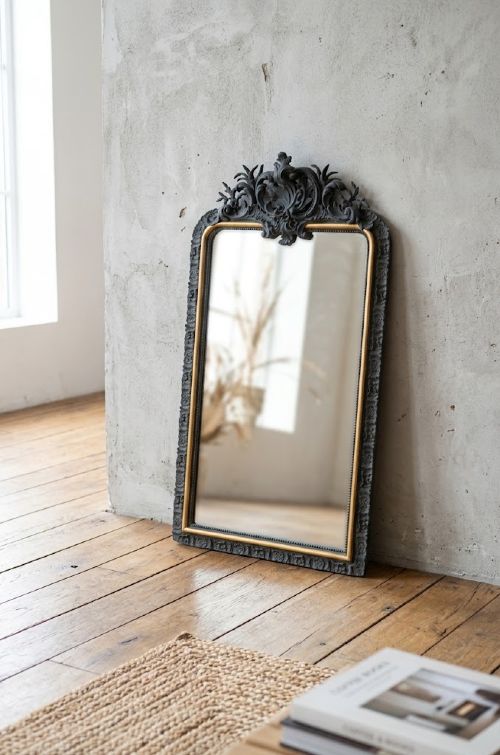
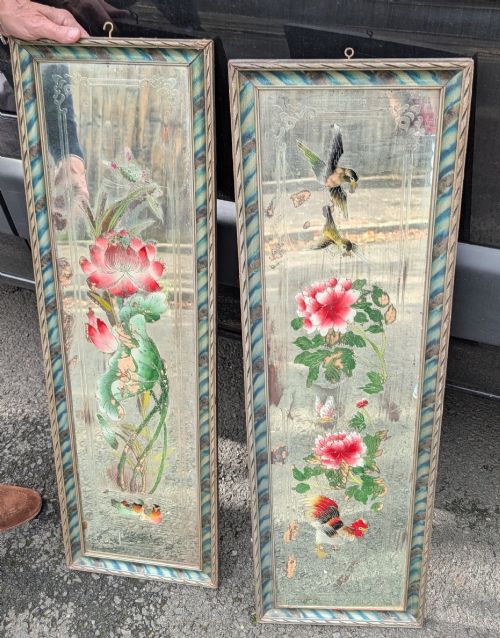
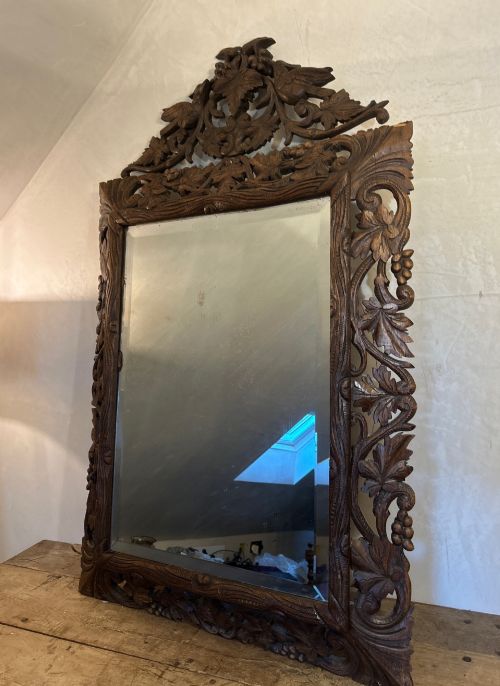
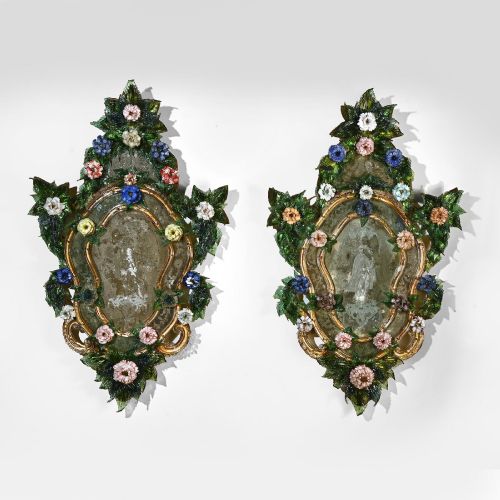
These decorative glass mirror pieces bring light and reflection into a room through carved wood, gilt and painted frames.
Decorative Glass Mirror
A decorative glass mirror serves as both a practical looking glass and a focal point for a room, drawing the eye toward intricate frames and reflective surfaces. These objects span several centuries, with nineteenth-century examples appearing most frequently alongside pieces from the eighteenth and early twentieth centuries.
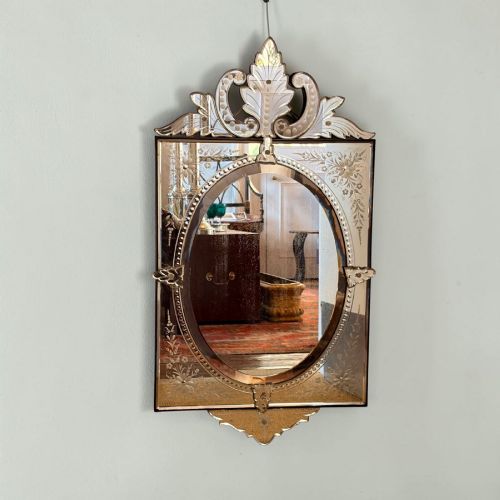
Forms range from grand overmantle mirrors designed for placement above fireplaces to smaller wall-hanging mirrors, pier mirrors, and cushion mirrors. Regional styles include Venetian glass designs, French rococo and empire models, English gilt gesso pieces, and Chinese decorative wall mirrors.
How decorative glass mirror pieces were made
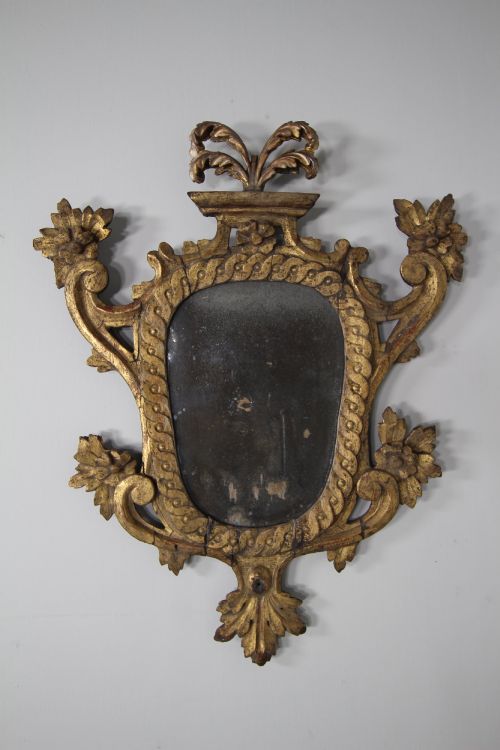
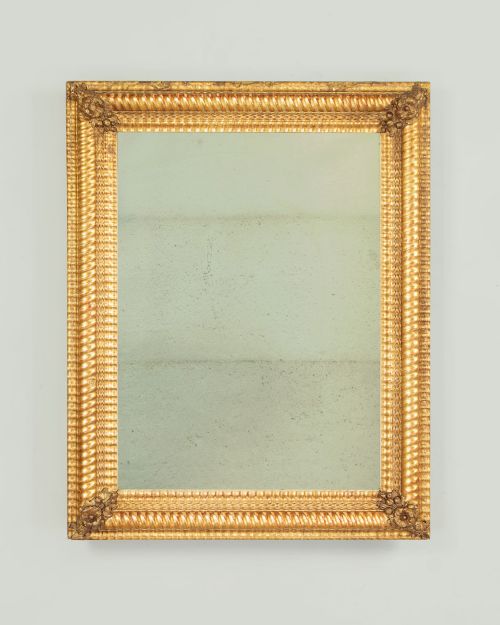
Frames rely heavily on traditional woodwork techniques, utilising carved giltwood, gesso, oak, walnut, rosewood, and ebonised timber. Artisans applied gold leaf and paint to ornament the wooden structures, often incorporating parcel gilding to highlight specific carved details.
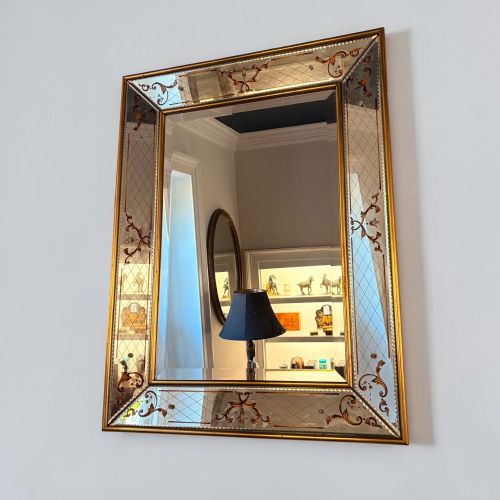
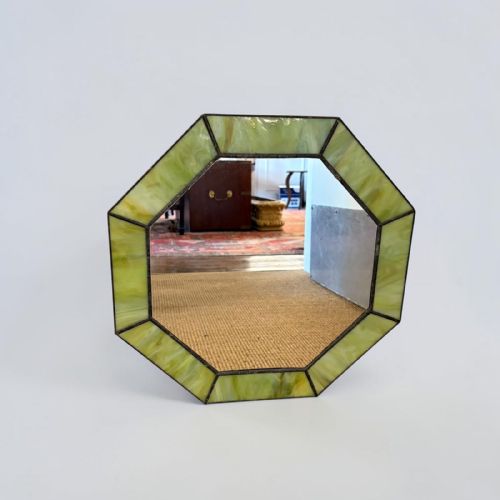
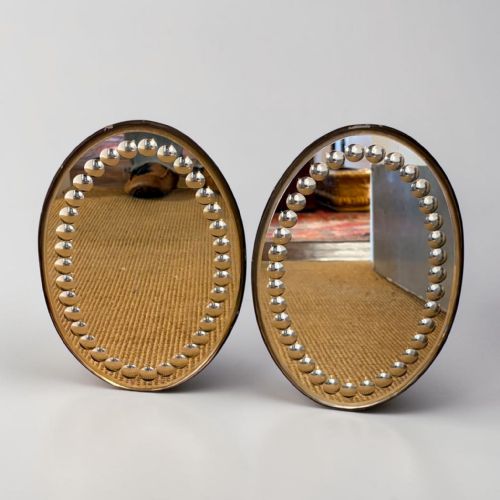
Mirror plates include convex glass, engraved plates, lightly foxed antique glass, and cut or etched glass borders sometimes finished with ruby red glass elements. Construction methods reflect the prevailing aesthetic of each period, from intricate rococo scrolling to clean art deco lines.
A tortoiseshell ripple-framed mirror brings a wonderfully hypnotic, wavy texture to the wall.
What varies in quality
The depth and crispness of the carving distinguish finer frames from simpler production, particularly where gesso and giltwood are modelled with floral swags, urns, or rococo scrolls. Hand-carved wooden frames display greater sensitivity in ornament than moulded composition alternatives.
The character of the mirror glass itself contributes significantly to quality, with hand-etched borders, engraved plates, and aged silvering providing depth that machine-produced glass lacks. Original frames retaining their early or original glass plates hold greater integrity than those fitted with modern replacements.
The Decorative Glass Mirror Glossary
- Giltwood
- Wood coated with gold leaf or gold paint to create a lustrous metallic finish. This technique was widely applied to frames during the eighteenth and nineteenth centuries.
- Gesso
- A plaster-like mixture applied to wood frames as a smooth base for gilding and intricate relief moulding. It allowed artisans to carve delicate floral and scroll motifs.
- Overmantle mirror
- A large mirror specifically proportioned to hang on the wall above a mantelpiece or fireplace. These pieces often feature horizontal formats to span the width of the hearth.
- Pier mirror
- A tall, narrow mirror designed to hang on the wall space between two windows, known as a pier. They frequently paired with console tables beneath.
- Trumeau mirror
- A decorative mirror incorporating a painted panel or oil painting within the upper section of the frame. Originating in France, these pieces integrated wall panelling schemes.
- Foxed glass
- Mirror glass showing spots, discolouration, or clouding caused by the gradual degradation of the backing material over time. Collectors often appreciate this ageing as evidence of antiquity.
Decorative Glass Mirror: Frequently Asked Questions
Where should I hang a decorative glass mirror?
These mirrors suit placement above fireplaces, along hallways, or opposite windows to maximise natural light within a room.
Larger overmantle and pier formats anchor spacious reception rooms, while compact wall mirrors fit smaller residential spaces.
How do I identify a Victorian mirror?
Victorian examples frequently utilise heavy gilt gesso, rosewood, or brass, often incorporating ornate floral ornamentation.
Construction details and traditional fastening methods on the reverse help distinguish these pieces from later reproductions.
What is a Venetian glass mirror?
Venetian mirrors typically feature glass-wrapped frames decorated with cut, etched, or coloured glass elements rather than exposed wood.
Originating from Murano, these pieces emphasise reflective surfaces and intricate glasswork across the entire structure.
Are mirror plates original?
Many older mirrors retain their original plates, which may exhibit light foxing, minor blurring, or hand-engraved details.
Some pieces have received new glass over time while keeping their historical frames intact.